 Hispanopedia Wiki
Los Juegos Olímpicos de Verano de 2020 , [c] oficialmente los Juegos de la XXXII Olimpiada [d] y oficialmente denominados Tokio 2020 , [e] fueron un evento multideportivo internacional celebrado del 23 de julio al 8 de agosto de 2021 en Tokio , Japón, con algunos eventos preliminares que comenzaron el 21 de julio de 2021. Tokio fue seleccionada como ciudad anfitriona durante la 125.ª Sesión del COI en Buenos Aires , Argentina, el 7 de septiembre de 2013. [3]
Originalmente programado para llevarse a cabo del 24 de julio al 9 de agosto de 2020, el evento se pospuso hasta 2021 el 24 de marzo de 2020 debido a la pandemia mundial de COVID-19 , la primera instancia de este tipo en la historia de los Juegos Olímpicos (varios juegos anteriores habían sido cancelados pero no reprogramados). [4] [5] Sin embargo, el evento mantuvo la marca Tokio 2020 para fines de marketing. [6] Se llevó a cabo en gran parte a puerta cerrada sin espectadores públicos permitidos debido a la declaración de estado de emergencia en el Área Metropolitana de Tokio en respuesta a la pandemia, los únicos Juegos Olímpicos que se celebraron sin espectadores oficiales. [f] Los Juegos fueron los más caros de la historia, con un gasto total de más de $ 20 mil millones. [8]
Los Juegos fueron los cuartos Juegos Olímpicos que se celebraron en Japón, después de los Juegos Olímpicos de Verano de 1964 ( Tokio ), los Juegos Olímpicos de Invierno de 1972 ( Sapporo ) y los Juegos Olímpicos de Invierno de 1998 ( Nagano ). Tokio se convirtió en la primera ciudad de Asia en albergar los Juegos Olímpicos de Verano dos veces. [g] Los Juegos de 2020 fueron los segundos de tres Juegos Olímpicos consecutivos que se celebraron en el este de Asia , después de los Juegos Olímpicos de Invierno de 2018 en Pyeongchang , Corea del Sur y antes de los Juegos Olímpicos de Invierno de 2022 en Pekín , China . Debido al aplazamiento de un año, Tokio 2020 fue el único de los Juegos Olímpicos que se celebró en un año impar. [10]
Se introdujeron nuevos eventos en deportes existentes, incluido el baloncesto 3x3 , el BMX estilo libre y eventos por equipos mixtos en varios deportes existentes, así como el regreso del ciclismo de Madison para hombres y una introducción del mismo evento para mujeres. Las nuevas políticas del COI también permitieron al comité organizador anfitrión agregar nuevos deportes al programa olímpico para solo unos Juegos. Las disciplinas agregadas por el Comité Olímpico Japonés fueron béisbol y sóftbol , kárate , escalada deportiva , surf y skateboarding , las últimas cuatro de las cuales hicieron su debut olímpico, y las últimas tres de las cuales permanecerán en el programa olímpico. [11]
Estados Unidos encabezó el medallero tanto por oro (39) como por medallas totales (113), con China terminando segundo (38 y 89). La nación anfitriona Japón terminó tercero, estableciendo un récord para la mayor cantidad de medallas de oro y totales ganadas por su delegación en unos Juegos Olímpicos con 27 y 58. Gran Bretaña terminó cuarto, con un total de 22 medallas de oro y 64 medallas totales. La delegación rusa compitiendo como ROC terminó quinta con 20 medallas de oro y tercera en el recuento general de medallas, con 71 medallas. Bermudas , Filipinas y Qatar ganaron sus primeras medallas de oro olímpicas. [12] [13] [14] Burkina Faso , San Marino y Turkmenistán también ganaron sus primeras medallas olímpicas. [15] [16] [17]
Proceso de licitación
Las tres ciudades candidatas fueron Tokio , Estambul y Madrid . Las ciudades solicitantes de Bakú y Doha no fueron promovidas a la categoría de candidatas. Una candidatura de Roma fue retirada. [18]
Selección de la ciudad anfitriona
El Comité Olímpico Internacional (COI) votó para seleccionar la ciudad anfitriona de los Juegos Olímpicos de Verano de 2020 el 7 de septiembre de 2013, en la 125.ª Sesión del COI en Buenos Aires , Argentina, utilizando un exhaustivo sistema de votación. [18] Ninguna de las ciudades candidatas ganó más del 50% de los votos en la primera ronda; Madrid y Estambul estaban empatadas en el segundo lugar, por lo que se realizó una segunda vuelta para determinar cuál de las dos ciudades sería eliminada. La votación final fue una contienda cara a cara entre Tokio y Estambul. Tokio fue seleccionada por 60 votos contra 36, obteniendo al menos los 49 votos necesarios para una mayoría. [18]
Impacto de la pandemia de COVID-19
.jpg/1280px-Shibuya_Crossing_2020-04-19_(2).jpg)
En enero de 2020, se expresaron inquietudes sobre el posible impacto de la pandemia de COVID-19 en los atletas y visitantes de los Juegos Olímpicos de Verano. [20] Los organizadores de Tokio y el Comité Olímpico Internacional insistieron en que estaban monitoreando la propagación de la enfermedad para minimizar sus efectos en los preparativos para los Juegos Olímpicos. [21] El COI declaró que en 2020, sus socios japoneses y el Primer Ministro Shinzo Abe "dejaron muy claro que Japón no podía gestionar un aplazamiento más allá del próximo verano [2021] a más tardar". [22] A diferencia del caso del virus Zika durante los Juegos Olímpicos de Verano de 2016 en Río de Janeiro, el SARS-CoV-2 puede transmitirse directamente entre humanos, lo que plantea desafíos más difíciles para los organizadores para contrarrestar la enfermedad infecciosa y albergar un evento seguro. [20] También a diferencia del caso de la "gripe porcina" H1N1 durante los Juegos Olímpicos de Invierno de 2010 en Vancouver, el COVID-19 tiene una tasa de mortalidad más alta y no hubo una vacuna efectiva hasta diciembre de 2020. [23] En una entrevista de febrero de 2020, el candidato conservador a la alcaldía de Londres, Shaun Bailey, argumentó que Londres podría albergar los Juegos Olímpicos en las antiguas sedes olímpicas de 2012 si los Juegos tuvieran que trasladarse debido a la pandemia de COVID-19. [24] La gobernadora de Tokio, Yuriko Koike, criticó el comentario de Bailey como inapropiado. [25] A principios de 2021, los funcionarios del estado estadounidense de Florida se ofrecieron a albergar los Juegos retrasados en su estado, mientras que John Coates , el vicepresidente del COI a cargo de los Juegos Olímpicos de Tokio, dijo que los Juegos se inaugurarían incluso si la ciudad y otras partes de Japón estuvieran bajo estado de emergencia debido al COVID-19. [26] [27]
Estimaciones del Instituto Nacional de Enfermedades Infecciosas y de la Universidad de Kioto predijeron que podría ser necesario declarar estados de emergencia durante los Juegos. [28] Los informes publicados en el panel de expertos del Ministerio de Salud también mostraron que el número de nuevos pacientes aumentaría a 10.000 si se permitiera la presencia de espectadores en los Juegos. [29]
Cancelación y aplazamiento de eventos clasificatorios
Las preocupaciones sobre la pandemia comenzaron a afectar los eventos clasificatorios a principios de 2020. Algunos que debían realizarse en febrero se trasladaron a ubicaciones alternativas para abordar las preocupaciones sobre los viajes a las áreas afectadas, en particular China. Por ejemplo, la clasificación de baloncesto femenino se jugó en Belgrado , Serbia, en lugar de Foshan , China. [30] El torneo clasificatorio de boxeo de Asia y Oceanía , que originalmente estaba planeado para celebrarse del 3 al 14 de febrero en Wuhan , China (la ubicación del brote original de la pandemia de COVID-19), se llevó a cabo en Amán , Jordania, a principios de marzo. [31] La tercera ronda del torneo clasificatorio de fútbol femenino también se vio afectada, ya que los partidos de grupo que anteriormente estaban programados para celebrarse en China se trasladaron a Australia. [32] La clasificación europea de boxeo comenzó el 14 de marzo de 2020 en Londres , Reino Unido, pero se suspendió después de dos días de competencia antes de ser reprogramada para abril de 2021. [33] [34] Finalmente se reanudó en junio de 2021, pero se trasladó a París , Francia, [35] debido a las renovadas preocupaciones sobre los viajes al Reino Unido . Otros eventos clasificatorios que debían tener lugar entre marzo y junio de 2020 comenzaron a posponerse hasta más tarde en el año y mediados de 2021 como parte de una suspensión más amplia de las competiciones deportivas internacionales en respuesta a la pandemia. Una multitud de deportes olímpicos se vieron afectados, incluidos el tiro con arco, el béisbol, el ciclismo, el balonmano, el judo, el remo, la vela, el voleibol y el waterpolo. [36]
Efecto sobre las pruebas de dopaje
A principios de 2020, la pandemia de COVID-19 restringió severamente las pruebas de dopaje obligatorias. Las organizaciones antidopaje europeas expresaron su preocupación por la imposibilidad de realizar pruebas de sangre y orina y por el riesgo para la salud que supondría movilizar al personal necesario para ello antes del final de la pandemia. A pesar de la necesidad de realizar pruebas exhaustivas antes de los Juegos, la Agencia Mundial Antidopaje (AMA) declaró que la salud y la seguridad públicas eran sus principales prioridades. [37] La Agencia Antidopaje de China (CHINADA) suspendió temporalmente las pruebas el 3 de febrero de 2020, con una reanudación prevista de las pruebas por fases hacia finales de mes, [38] y las organizaciones antidopaje de Estados Unidos, Francia, Gran Bretaña y Alemania habían reducido sus actividades de pruebas a finales de marzo. [37]
Posteriormente se reveló que veintitrés nadadores chinos habían dado positivo en la prueba de la droga trimetazidina , pero se les permitió competir, después de que CHINADA afirmara que habían ingerido pequeñas cantidades sin darse cuenta en una cocina. Algunos, incluidos Zhang Yufei , Wang Shun y Qin Haiyang , ganaron medallas. El asunto provocó un profundo malestar entre la comunidad atlética internacional. [39]
Aplazamiento hasta 2021
El Comité Organizador de los Juegos Olímpicos y Paralímpicos de Tokio (TOCOG) emitió un comunicado el 2 de marzo de 2020, confirmando que los preparativos para los próximos Juegos Olímpicos de Tokio "continuaban según lo planeado". [40] El 23 de marzo, tanto Canadá como Australia indicaron que se retirarían de los Juegos si no se posponían por un año. [41] El mismo día, el primer ministro japonés Shinzo Abe declaró que apoyaría una propuesta de aplazamiento, citando que garantizar la seguridad de los atletas era "primordial", y el veterano miembro del COI y ex vicepresidente Dick Pound dijo que esperaba que los Juegos se pospusieran. [42] [43]
El 24 de marzo de 2020, a 122 días de la fecha prevista de inicio, el COI, el TOCOG y el primer ministro Abe emitieron una declaración conjunta en la que anunciaban que los Juegos Olímpicos y Paralímpicos de Verano de 2020 se reprogramarían para una fecha "posterior a 2020, pero no más tarde del verano de 2021". Afirmaron que los Juegos podrían "ser un faro de esperanza para el mundo durante estos tiempos difíciles", y que la llama olímpica podría convertirse en "la luz al final del túnel en el que se encuentra el mundo en la actualidad". [44] El Primer Ministro Abe declaró que el presidente del COI, Thomas Bach, respondió "con un 100% de acuerdo" a su propuesta de retrasar los Juegos. Por motivos de continuidad y marketing, se acordó que los Juegos seguirían llamándose Tokio 2020 a pesar del cambio de calendario. [6]
El 30 de marzo de 2020, el COI y el TOCOG anunciaron que habían llegado a un acuerdo sobre las nuevas fechas de los Juegos Olímpicos de Verano de 2020, que ahora comenzarían con la ceremonia de apertura el 23 de julio de 2021 y terminarían con la ceremonia de clausura el 8 de agosto de 2021, que aún se celebraría en Tokio. [45] [46] Los siguientes Juegos Olímpicos de Invierno en Pekín están programados para comenzar el 4 de febrero de 2022, menos de seis meses después. Poco antes de que se confirmara el aplazamiento, el COI y los organizadores de Tokio 2020 formaron un grupo de trabajo llamado "Here We Go" con el mandato de abordar cualquier problema que surgiera del aplazamiento de los Juegos, como el patrocinio y el alojamiento. Los organizadores confirmaron que todos los atletas que ya se habían clasificado para Tokio 2020 mantendrían sus plazas de clasificación. [47]
Llamados a la cancelación
Los expertos en salud expresaron su preocupación en abril de 2020 de que los Juegos pudieran tener que ser cancelados si la pandemia persistía. [48] En una entrevista, el entonces presidente del TOCOG y ex primer ministro japonés, Yoshirō Mori , afirmó que los Juegos serían "desechados" si no podían seguir adelante en 2021. [49] El 29 de abril de 2020, el Primer Ministro Abe declaró que los Juegos "deben celebrarse de una manera que muestre que el mundo ha ganado su batalla contra la pandemia del coronavirus". [50] Thomas Bach reconoció en una entrevista el 20 de mayo de 2020 que el trabajo de reorganizar los Juegos de Tokio era "una tarea gigantesca" y también admitió que el evento tendría que cancelarse por completo si no podía tener lugar en el verano de 2021. [51] Sin embargo, tanto Mori como Bach expresaron optimismo sobre la celebración de los Juegos. [49] [51]
Un miembro del Comité Asesor Japonés sobre la Política de Acción Básica para la COVID-19 fue coautor de un editorial en el British Medical Journal que afirmaba que "celebrar Tokio 2020 con fines políticos y económicos internos, ignorando imperativos científicos y morales, es contradictorio con el compromiso de Japón con la salud mundial y la seguridad humana". [52]
El 21 de enero de 2021, varias fuentes informaron de que el gobierno japonés había "concluido en privado" que los Juegos tendrían que cancelarse. [53] El gobierno desestimó las afirmaciones, afirmando que los informes eran "categóricamente falsos". [54] El nuevo primer ministro japonés, Yoshihide Suga, confirmó el 19 de febrero que el G7 había dado su apoyo unánime a que los Juegos pospuestos se llevaran a cabo según lo programado. [55] Se informó en abril de 2021, solo tres meses antes del inicio de los Juegos, que todavía existía la opción de cancelar los Juegos Olímpicos de Tokio, ya que el país había vacunado a menos del 1% de su población, se esperaba que participaran decenas de miles de voluntarios y los atletas no estaban obligados a hacer cuarentena tras llegar a Japón. [56] [57]
El apoyo público a los Juegos en Japón disminuyó significativamente en medio de un aumento de casos de COVID-19 en el país en 2021. [58] Varias organizaciones de profesionales médicos expresaron su oposición a los Juegos, [52] [59] [60] mientras que una encuesta de opinión en abril de 2021 vio que el 40% de los participantes apoyaba la cancelación de los Juegos y el 33% apoyaba un segundo aplazamiento. [61] En mayo de 2021, el 83% de los encuestados apoyaba la cancelación o el aplazamiento de los Juegos. [62] La Asociación de Médicos de Tokio pidió la cancelación, afirmando que los hospitales de Tokio "tienen las manos ocupadas y casi no tienen capacidad de sobra" en una carta abierta al primer ministro. [63] Al menos nueve de los 47 gobernadores electos apoyaron la cancelación de los Juegos. [64] Casi el 37% de las empresas japonesas encuestadas apoyaron la cancelación de los Juegos y el 32% apoyaron el aplazamiento. [65]
Kenji Utsunomiya , que anteriormente se había postulado para gobernador de Tokio, reunió más de 351.000 firmas en una petición que pedía a los organizadores que "priorizaran la vida" por encima de los Juegos Olímpicos. [66] Los escritores japoneses Jiro Akagawa [67] [68] y Fuminori Nakamura también pidieron que se pospusieran o cancelaran los Juegos. [69]
El 26 de mayo de 2021, el periódico Asahi Shimbun , patrocinador local de los Juegos, publicó un editorial en el que pedía al primer ministro Suga que "evaluara con calma y objetividad la situación y decidiera cancelar el evento este verano". [70] El 4 de junio se informó de que los patrocinadores japoneses propusieron a los organizadores "posponer los Juegos durante varios meses", citando un comentario de un alto ejecutivo de un patrocinador corporativo: "Desde nuestra perspectiva, tiene mucho, mucho más sentido celebrar los Juegos cuando hay más personas vacunadas, el clima es más fresco y tal vez la oposición pública es menor". [71]
En julio de 2021, se anunció que todos los eventos en Tokio se celebrarían a puerta cerrada y sin espectadores debido a un nuevo estado de emergencia. Una encuesta del periódico Asahi Shimbun reveló que el 55% de los encuestados apoyaba la cancelación de los Juegos Olímpicos y el 68% consideraba que los organizadores no podrían controlar adecuadamente la COVID-19 en los Juegos. [72] La decisión también fue perjudicial para los patrocinadores locales, que habían planeado presencias en persona para promocionar sus productos durante los Juegos; un ejecutivo del patrocinador oficial Toyota declaró que la empresa había retirado una campaña publicitaria televisiva que había planeado para los Juegos en Japón, citando que los Juegos Olímpicos se estaban "convirtiendo en un evento que no ha ganado la comprensión del público". [72] [73]
Si los juegos se hubieran cancelado, habría sido la primera vez desde la Segunda Guerra Mundial que se cancela un evento olímpico y los primeros juegos que se cancelan debido a circunstancias no relacionadas con la guerra. [h] Una cancelación completa también le habría costado a Japón ¥4,52 billones ( US$41.5 mil millones), en función de los gastos operativos y la pérdida de actividad turística debido a que Japón había cerrado sus fronteras internacionales a los viajeros extranjeros desde marzo de 2020, no reabrió finalmente hasta octubre de 2022 y estaba inicialmente programado para poner fin a las medidas fronterizas preventivas en mayo de 2023, pero se adelantó a fines de abril de ese año, menos de dos años después de que terminaran los Juegos. [74] [75]
Costos y seguros
Según una estimación realizada por el profesor emérito Katsuhiro Miyamoto de la Universidad de Kansai y publicada por la NHK en marzo de 2020, el coste de retrasar los Juegos Olímpicos de 2020 un año sería de 640.800 millones de yenes ( 5.800 millones de dólares ), teniendo en cuenta los gastos de mantenimiento de las instalaciones no utilizadas. [74]
El Instituto de Investigación Nomura estimó que cancelar los Juegos Olímpicos y Paralímpicos de Tokio en 2021 costaría alrededor de 1,81 billones de yenes (17.000 millones de dólares), menos que los daños económicos proyectados si se declara otro estado de emergencia, y señaló que la decisión de celebrar los juegos "debería tomarse en función del impacto en los riesgos de infección, no desde el punto de vista de la pérdida económica". [76]
Los Juegos de Tokio estuvieron protegidos a través del mercado de seguros comerciales Lloyd's of London , por las reaseguradoras globales Munich Re y Swiss Re . El COI contrata alrededor de 800 millones de dólares de seguro para cada Olimpiada de verano, y el monto total de pérdidas aseguradas para los Juegos de 2020 probablemente sea más de 2 mil millones de dólares. [ necesita actualización ] La interrupción causada por el aplazamiento de los Juegos estuvo cubierta por la póliza de seguro, y es probable que quienes presenten reclamos por sus pérdidas financieras incluyan organizadores locales, patrocinadores, empresas de hospitalidad y proveedores de viajes. [77] [78] [ necesita actualización ]
Los poseedores de entradas adquiridas en el extranjero antes del aplazamiento tenían derecho a reembolsos por las compras de entradas para los Juegos Olímpicos y Paralímpicos, excepto por los costos de las reservas de hotel canceladas. Aunque alrededor de 600.000 entradas para los Juegos Olímpicos y 300.000 entradas para los Paralímpicos tenían derecho a reembolso, los organizadores dijeron que no revelarían el costo total de los reembolsos. [79] Reuters citó a fuentes de la industria que estimaron que el Comité Olímpico de Tokio había contratado un seguro de entre 500 y 800 millones de dólares y que, después de contabilizar costos como la nueva reserva de los estadios deportivos y la Villa Olímpica, poco de ese pago estaría disponible para recuperar los ingresos de las ventas de entradas perdidas y reembolsadas. [80] Los organizadores locales son responsables de la venta de entradas y las utilizan para sufragar los costos de la celebración de los juegos; se esperaba que las ventas de entradas generaran aproximadamente 800 millones de dólares, pero las ventas reales fueron cercanas a cero. [81]
En junio de 2022, el Comité Organizador de Tokio reveló en el informe final del presupuesto para los Juegos Olímpicos y Paralímpicos de Tokio que el costo de los Juegos Olímpicos fue de 640,4 mil millones de yenes (US$5,8 mil millones [i] ), que fue más alto que el costo de Río 2016. [83] [2]
Opinión pública y efecto del COVID-19 durante y después de los Juegos
Antes de la celebración de los Juegos Olímpicos de Tokio, muchos japoneses tenían una actitud negativa hacia la celebración del evento, pero su actitud se había vuelto más positiva hacia el final de los Juegos. Según una encuesta de opinión pública realizada conjuntamente por Nippon News Network y el periódico Yomiuri Shimbun , dirigida a los ciudadanos japoneses al final de los Juegos Olímpicos, el 38% de los encuestados dijo que era posible celebrar los Juegos Olímpicos de manera segura contra el COVID-19, mientras que el 55% dijo que no era posible. Sin embargo, el 64% respondió que era bueno que los Juegos de Tokio se hubieran celebrado, mientras que el 28% respondió que deseaba que el evento no se hubiera celebrado. De los encuestados, el 61% se alegró de que el evento se hubiera celebrado sin espectadores y solo el 12% dijo que se debería haber permitido la presencia de espectadores. [84]
El 29 de julio, a menos de una semana de iniciados los Juegos, el periodista Masaki Kubota presentó su análisis de la perspectiva del pueblo japonés sobre los Juegos Olímpicos, que, en su opinión, se vio muy influida por el cambio en la forma en que los medios de comunicación japoneses informaron sobre los Juegos. Señaló que muchos medios de comunicación japoneses habían insistido en cancelar los Juegos Olímpicos, citando temores de que la COVID-19 se propagara, pero una vez que los atletas japoneses comenzaron a ganar medallas, los medios cambiaron su política informativa y comenzaron a animar los Juegos Olímpicos, lo que tuvo el efecto de alterar la opinión pública en Japón. [85]
Una vez que se pusieron en marcha los Juegos Olímpicos de Tokio, seguidos de los Juegos Paralímpicos de Tokio , hubo un fuerte aumento de los casos de COVID-19 en Japón, especialmente los causados por la variante Delta . El 26 de julio, se detectaron 60.157 casos en Japón, rompiendo el récord de 44.961 casos registrados el 10 de mayo. El 9 de agosto, un día después de que terminaran los Juegos Olímpicos, los casos diarios en Japón alcanzaron los 100.000 por primera vez, y los nuevos casos continuaron aumentando hasta el pico del 23 de agosto, cuando se registraron 156.931 casos. [86]
Desarrollo y preparativos

El Comité Organizador de Tokio estuvo originalmente encabezado por el ex primer ministro japonés Yoshirō Mori, [87] pero renunció en febrero de 2021 debido a la reacción negativa a los comentarios sexistas sobre las mujeres en las reuniones. [88] [89] [90] Seiko Hashimoto fue elegida para sucederlo. Tamayo Marukawa , ministra de los Juegos Olímpicos y Paralímpicos de Tokio, fue responsable de supervisar los preparativos en nombre del gobierno japonés. [90]
El Gobierno Metropolitano de Tokio reservó un fondo de ¥400 mil millones (más de US$3.67 mil millones) para cubrir el costo de albergar los Juegos. El gobierno japonés estaba considerando aliviar las restricciones del espacio aéreo para permitir una mayor capacidad de franjas horarias en los aeropuertos de Haneda y Narita . Se planeó una nueva línea ferroviaria para unir ambos aeropuertos a través de una expansión de la estación de Tokio , reduciendo el tiempo de viaje desde la estación de Tokio a Haneda de 30 minutos a 18 minutos, y desde la estación de Tokio a Narita de 55 minutos a 36 minutos; financiada principalmente por inversores privados, la línea costaría ¥400 mil millones. La East Japan Railway Company (JR East) también estaba planeando una nueva ruta cerca de Tamachi hasta el aeropuerto de Haneda. [91]
Había planes para financiar la finalización acelerada de la Ruta Circular Central , la Autopista Tokyo Gaikan y la Autopista Ken-Ō , y la renovación de otras autopistas importantes en el área. [92] La línea de tránsito automatizado Yurikamome también se extendería desde su terminal existente en la Estación Toyosu a una nueva terminal en la Estación Kachidoki , pasando por el sitio de la Villa Olímpica, aunque no se esperaba que la línea tuviera la capacidad adecuada para servir a eventos importantes en el área de Odaiba por sí sola. [93]
En abril de 2018, el Comité Organizador de Tokio firmó un acuerdo de asociación con la Organización Internacional del Trabajo para garantizar el trabajo decente en la preparación y durante los Juegos Olímpicos de 2020. [94]
En junio de 2020, el director ejecutivo del Comité Organizador, Toshirō Mutō , declaró que el comité estaba explorando opciones para agilizar los Juegos y lograr ahorros de costos. [95] El 25 de septiembre, el COI y el Comité Organizador de Tokio acordaron un conjunto de medidas para simplificar la logística de los Juegos, incluido un recorte del personal no atleta, el uso de reuniones en línea y la racionalización del transporte, entre otras. El comité también describió las áreas que exploraría para mantener la salud y la seguridad de todos los participantes. [96]
Recintos e infraestructura

En febrero de 2012, se anunció que el antiguo Estadio Nacional de Tokio , sede central de los Juegos Olímpicos de Verano de 1964 , se sometería a una renovación de ¥100 mil millones para la Copa Mundial de Rugby de 2019 y los Juegos Olímpicos de Verano de 2020. [97] En noviembre de 2012, el Consejo Deportivo de Japón anunció que estaba aceptando ofertas para los diseños de estadios propuestos. De los 46 finalistas, Zaha Hadid Architects se adjudicó el proyecto, que reemplazaría el antiguo estadio con un nuevo estadio de 80.000 asientos . Hubo críticas al diseño de Zaha Hadid, que se comparó con un casco de bicicleta y se consideró que chocaba con el Santuario Meiji circundante , y una desaprobación generalizada de los costos, incluso con intentos de revisar y "optimizar" el diseño. [98]
En junio de 2015, el gobierno anunció planes para reducir la capacidad permanente del nuevo estadio a 65.000 en su configuración de atletismo (aunque con la opción de agregar hasta 15.000 asientos temporales para fútbol) como una medida adicional de ahorro de costos. [99] [100] El plan original para construir un techo retráctil también fue abandonado. [101] A fines de 2015, como resultado de la oposición pública a los crecientes costos del nuevo estadio (que habían alcanzado los ¥252 mil millones), el gobierno decidió rechazar por completo el diseño de Zaha Hadid y seleccionó un nuevo diseño del arquitecto japonés Kengo Kuma . Inspirado en los templos tradicionales y con un perfil más bajo, el diseño de Kuma tenía un presupuesto de ¥149 mil millones. Los cambios significaron que el nuevo estadio no pudo completarse a tiempo para la Copa Mundial de Rugby de 2019 como se pretendía originalmente. [102] El Estadio Nacional, inaugurado el 21 de diciembre de 2019, fue nombrado Estadio Olímpico durante los Juegos de Tokio. [103]
En octubre de 2018, la Junta de Auditoría emitió un informe que afirmaba que el coste total de las sedes olímpicas podría superar los 25.000 millones de dólares. [104]
De las 33 sedes de competición en Tokio, 28 estaban a 8 kilómetros (5 millas) de la Villa Olímpica, y se construirían once nuevas sedes. [105] El 16 de octubre de 2019, el COI anunció que había planes para reubicar los eventos de maratón y marcha atlética en Sapporo por preocupaciones por el calor. [106] Los planes se hicieron oficiales el 1 de noviembre de 2019 después de que la gobernadora de Tokio, Yuriko Koike, aceptara la decisión del COI, a pesar de su creencia de que los eventos deberían haber permanecido en Tokio. [107]
En general, como señala el especialista en estudios urbanos Faure, "los Juegos de Tokio 2020-2021 tuvieron un impacto relativamente moderado en la ciudad, en comparación con casos anteriores como Río y Sochi, o casos en los que se construyó un gran parque olímpico en Barcelona en 1992 y en Pekín en 2008. La infraestructura de transporte se ha mejorado marginalmente facilitando el acceso a personas con limitaciones de movilidad y mejorando la señalización en otros idiomas. Se ha ampliado el aeropuerto de Haneda y se ha introducido un sistema de tránsito rápido de autobuses impulsado por hidrógeno. Se construyeron varias instalaciones deportivas y de eventos, incluido el nuevo Estadio Olímpico. Por último, se ha construido la Villa Olímpica en el vertedero de Harumi". [108]
Seguridad

En diciembre de 2018, el gobierno japonés decidió prohibir que los drones sobrevuelen las sedes de los Juegos Olímpicos y Paralímpicos. También se impuso una prohibición similar para la Copa Mundial de Rugby de 2019, que también fue sede de Japón. [109] En enero de 2020, comenzaron los simulacros antiterroristas en diferentes partes donde se llevarían a cabo los Juegos, luego de que los datos de inteligencia mostraran que grupos terroristas podrían haber llevado a cabo un ataque que buscara atención mundial. [110] En julio de 2021, antes del inicio de los Juegos, la Guardia Costera de Japón realizó simulacros antiterroristas en la Bahía de Tokio . El simulacro consistió en que dos botes inflables intentaran evitar que un barco sospechoso llegara a la orilla. [111]
Voluntarios
Las solicitudes para ser voluntarios en los Juegos Olímpicos y Paralímpicos de 2020 se aceptaron a partir del 26 de septiembre de 2018. Para el 18 de enero de 2019, el Comité Organizador de Tokio había recibido un total de 204.680 solicitudes. [112] Las entrevistas para seleccionar el número necesario de voluntarios comenzaron en febrero de 2019, y la capacitación está programada para llevarse a cabo en octubre de 2019. [113] Los voluntarios en las sedes se conocerían como "Field Cast", y los voluntarios en la ciudad se conocerían como "City Cast". Estos nombres se eligieron de una lista corta de cuatro de un original de 150 pares de nombres; los otros tres nombres preseleccionados fueron "Shining Blue" y "Shining Blue Tokyo", "Games Anchor" y "City Anchor", y "Games Force" y "City Force". Los nombres fueron elegidos por las personas que habían solicitado ser voluntarios en los Juegos. [114]
A principios de junio de 2021, aproximadamente 10.000 de los 80.000 voluntarios registrados renunciaron a los Juegos. Los medios de comunicación atribuyeron el aumento de casos de pandemia como la razón de la renuncia masiva. [115] Se esperaba que se cancelaran más asignaciones de voluntarios debido a la prohibición de espectadores. [116]
Medallas

En febrero de 2017, el Comité Organizador de Tokio anunció un programa de reciclaje de productos electrónicos en colaboración con el Centro de Saneamiento Ambiental de Japón y NTT Docomo , solicitando donaciones de productos electrónicos, como teléfonos móviles, para su recuperación como materiales para las medallas. Con el objetivo de recolectar ocho toneladas de metales para producir las medallas de los Juegos Olímpicos y Paralímpicos, se instalaron cajas de recolección en lugares públicos y tiendas minoristas de NTT Docomo en abril de 2017. [118] [119] En diciembre de ese año se lanzó un concurso de diseño para las medallas. [120]
En mayo de 2018, el comité organizador informó que habían obtenido la mitad de los 2.700 kilogramos de bronce necesarios, pero que estaban teniendo dificultades para obtener la cantidad requerida de plata; aunque las medallas de bronce y plata utilizan únicamente sus respectivos materiales, los requisitos del COI exigen que las medallas de oro utilicen plata como base. [121] La recolección de bronce se completó en noviembre de 2018, y se estima que el resto se completó en marzo de 2019. [122]
El 24 de julio de 2019 (un año antes de la ceremonia de apertura programada originalmente), se dieron a conocer los diseños de las medallas. [123] [124] Las medallas de los Juegos Olímpicos y Paralímpicos fueron diseñadas por Junichi Kawanishi luego de una competencia a nivel nacional. [125] Una nueva característica compartida con las medallas Paralímpicas es que las cintas contienen una, dos o tres líneas convexas de silicona para distinguir las medallas de oro, plata y bronce, respectivamente. [124]
Relevo de la antorcha
El lema del relevo de la antorcha de los Juegos Olímpicos de Verano de 2020 fue "La esperanza ilumina nuestro camino". [126] [127]
Como lo determinó una decisión del COI de 2009 que prohibió los relevos internacionales de la antorcha para futuros Juegos Olímpicos, [128] la antorcha de los Juegos Olímpicos de Verano de 2020 estaba programada para visitar solo los dos países de Grecia y el país anfitrión Japón. La primera fase del relevo comenzó el 12 de marzo de 2020, con la tradicional ceremonia de encendido de la llama en el Templo de Hera en Olimpia, Grecia . Luego, la antorcha viajó a Atenas , donde la etapa griega del relevo culminó con una ceremonia de entrega en el Estadio Panatenaico el 19 de marzo, durante la cual la antorcha fue transferida al contingente japonés. [126] La llama se colocó dentro de una linterna especial y se transportó desde el Aeropuerto Internacional de Atenas en un vuelo chárter a Higashimatsushima en Japón. Se esperaba que la antorcha comenzara la segunda fase de su viaje el 20 de marzo, ya que viajó durante una semana alrededor de las tres áreas más afectadas por el terremoto y tsunami de Tōhoku de 2011 ( Miyagi , Iwate y Fukushima ), donde se exhibiría bajo el título "Llama de la recuperación". Después de salir de Naraha el 26 de marzo, la antorcha comenzaría su relevo principal alrededor de Japón, incorporando las 47 capitales de prefectura . [127]
Tras la decisión de posponer los Juegos, la antorcha se volvió a colocar en una linterna especial que se exhibió en la ciudad de Fukushima durante un mes. Después de eso, la linterna se trasladó a la prefectura de Tokio, donde se mantuvo a salvo hasta el reinicio del relevo en 2021. [129] El 23 de julio de 2020 (un año antes de la ceremonia de apertura reprogramada), se lanzó un video promocional en el que aparecía la nadadora japonesa Rikako Ikee llevando la linterna dentro del Estadio Nacional de Japón, haciendo comparaciones entre la salida de la pandemia y su propio regreso al deporte después de que le diagnosticaran leucemia . [130] El 20 de agosto de 2020, se anunció que el relevo de la antorcha comenzaría de nuevo en Naraha, Fukushima, el 25 de marzo de 2021, casi un año después de lo planeado originalmente. [131] [132]
El recorrido final del relevo se alteró debido a preocupaciones sobre preocupaciones de salud pública sobre reuniones a lo largo de la ruta (por ejemplo, se canceló la etapa de Miyakojima), y el relevo se llevó a cabo sin espectadores debido a estados de emergencia en algunas regiones (por ejemplo, Matsuyama, Hiroshima, Hyōgo y Okayama). [133] El relevo terminó en el Estadio Nacional de Tokio (Estadio Olímpico) el 23 de julio, con la tenista Naomi Osaka encendiendo el pebetero olímpico en la final de la ceremonia de apertura . [134] El pebetero encendido en el Estadio Olímpico solo se usó durante las ceremonias de apertura y clausura: se encendió un pebetero separado en el paseo marítimo de Tokio para la vista del público en el Puente Yume No Ohashi en Odaiba , lo que lo convierte en la segunda vez en la historia olímpica donde el pebetero no se exhibió en el estadio de atletismo, la otra vez fue en 2016. [135]
Protocolos de bioseguridad

En febrero de 2021, el COI comenzó a publicar "manuales" que contenían detalles sobre los protocolos de bioseguridad planificados para el COVID-19 para atletas, oficiales, la prensa y otro personal, incluidos protocolos estándar como practicar el distanciamiento social , la higiene, el uso de mascarillas (fuera del entrenamiento y la competencia para los atletas) y la restricción de visitar bares, restaurantes, tiendas y otras áreas turísticas alrededor del Área Metropolitana de Tokio , o usar el transporte público a menos que se permita lo contrario. A los participantes se les pediría que usaran la aplicación COCOA Exposure Notification de Japón y se les haría una prueba al menos cada cuatro días. Los atletas que dieran positivo no podrían competir y podrían ser puestos en cuarentena en una instalación gubernamental (aunque se les daría margen de maniobra en caso de falsos positivos). Los contactos cercanos también tendrían que dar negativo en la prueba para poder competir. Se disuadiría a los atletas de celebrar "excesivamente" porque las acciones podrían propagar gotitas infectadas. [136] [137] [138] Los manuales fueron criticados en un artículo publicado por The New England Journal of Medicine en mayo de 2021, por carecer de una "evaluación de riesgos científicamente rigurosa" y no "distinguir los distintos niveles de riesgo que enfrentan los atletas". El manual establecía que los atletas debían llegar hasta cinco días antes del inicio de la competencia y retirarse dentro de las 48 horas posteriores a su eliminación de su deporte o la conclusión de las competencias. [139] [140]
El COI recomendó la vacunación de los atletas contra la COVID-19 si había vacunas disponibles para ellos, pero esto no era un requisito previo para la participación y el COI desaconsejó que los atletas "se saltaran la cola" para obtener prioridad sobre las poblaciones esenciales. [141] El 12 de marzo de 2021, Thomas Bach anunció que en las naciones donde estaban aprobadas para su uso, el Comité Olímpico Chino había ofrecido cubrir los costos de la vacuna china CoronaVac y la vacuna Sinopharm BIBP para los atletas que compitieran en los Juegos Olímpicos de Verano de 2020 y los Juegos Olímpicos de Invierno de 2022 , y compraría dos dosis para el público general de su nación por cada atleta vacunado. [142] El 6 de mayo de 2021, Pfizer anunció que donaría dosis de su vacuna a los CON que compiten en Tokio. [143]
Aproximadamente 93.000 atletas y funcionarios quedaron exentos de las normas de cuarentena al llegar a Japón, siempre que permanecieran en zonas separadas de la población local. Con alrededor de 300.000 miembros del personal y voluntarios locales entrando y saliendo de estas burbujas, y 20.000 dosis de vacunas asignadas para este grupo, esto generó preocupaciones sobre la propagación de COVID-19 tanto durante los Juegos como cuando los equipos regresaron a sus países. [144] [145]
Debido a las restricciones de viajes internacionales, el comité organizador anunció en marzo de 2021 que no se permitiría la asistencia de invitados internacionales (incluidos espectadores y amigos y familiares de los atletas) a los Juegos. De acuerdo con las directrices existentes para los deportes con espectadores en Japón, se les pediría a los espectadores que se abstuvieran de vitorear o gritar. [138] El 19 de junio de 2021, la gobernadora Koike anunció que se habían descartado los planes para eventos de visualización pública para los Juegos, con el fin de utilizar en su lugar los lugares planificados (como el Parque Yoyogi ) como sitios de vacunación masiva. [146] El 21 de junio, se anunció que todos los lugares tendrían un límite máximo de 10.000 espectadores con entradas o el 50% de su capacidad, lo que fuera menor. [147]
El 2 de julio de 2021, la nueva presidenta del TOCOG, Seiko Hashimoto, advirtió que aún existía la posibilidad de que los Juegos se celebraran a puerta cerrada debido al aumento de casos de COVID-19 en el país. [148] [149] La lenta tasa de vacunación de Japón había sido motivo de especial preocupación. [150] [151] Una simulación realizada por la Universidad de Tokio en mayo de 2021 proyectó que una nueva ola de infecciones podría alcanzar su punto máximo a mediados de octubre si los Juegos continuaban después de que hubiera expirado el estado de emergencia existente en Tokio. [152] [153]
On 8 July 2021, after Tokyo had recorded 920 new COVID-19 cases (its highest increase since May), Prime Minister Suga declared a new state of emergency in the Tokyo area from 12 July through 22 August (ending only two days before the Paralympics' opening ceremony), and announced that all events at venues in the area would therefore be held behind closed doors with no spectators permitted. Hashimoto stated that "it is extremely regrettable that the Games will be staged in a very limited manner in the face of the spread of novel coronavirus infections." IOC President Thomas Bach stated that "we will support any measure which is necessary to have a safe and secure Olympic and Paralympic Games for the Japanese people and all the participants."[150][151][154]
The announcement stated that spectators would still be allowed at events being held outside of Tokyo, subject to the approval by local health authorities and the aforementioned 50%/10,000-spectator limit. The prefectures of Fukushima, Hokkaido and Ibaraki announced that they would prohibit spectators at events held in the areas.[155] The opening ceremony was expected to be limited to fewer than 1,000 VIP guests, including IOC representatives and dignitaries,[156] while some events did allow members of other competing delegations to occupy spectator seats as well.[157] School students were invited to watch football matches in Ibaraki.[158][159]
On 16 July, it was reported that Bach had asked Prime Minister Suga about the possibility that restrictions on spectators could be eased later on if COVID-19 conditions were to improve in Tokyo.[156] However, on 2 August, Suga announced that all existing state of emergency declarations would be extended through 31 August, and be extended to Chiba, Kanagawa, Saitama, and parts of Osaka.[160]
Ticketing
The opening ceremony tickets were expected to range from ¥12,000 to ¥300,000, with a maximum price of ¥130,000 for the finals of the athletics track and field events.[161] The average ticket price was ¥7,700, with half the tickets being sold for up to ¥8,000. A symbolic ticket price of ¥2,020 was expected for families, groups resident in Japan, and in conjunction with a school program.[161] Tickets would be sold through 40,000 shops in Japan and by mail order to Japanese addresses through the internet.[162] International guests, had they been allowed, would have needed to visit Japan during the sales period, or arrange to buy tickets through a third party such as a travel agent.[163]
Tickets went on general sale in Japan in the autumn of 2019 and were expected to be sold globally from June 2020; however, this plan was suspended when the Games were postponed on 24 March 2020. The Tokyo Organizing Committee confirmed that tickets already purchased would remain valid for the same sessions according to the new schedule and that refunds were also being offered.[164]
On 20 March 2021, it was announced that due to COVID-19-related concerns, no international guests would be allowed to attend the 2020 Olympics or Paralympics. This included both spectators, as well as the friends and family of athletes. All overseas ticketholders would be refunded.[138] Hashimoto cited uncertainties surrounding international travel restrictions, and goals to preserve the safety of all participants and spectators, and not place a burden on the health care system.[138] It was ultimately announced in July that all local spectators were not allowed to attend any events held in Tokyo, Fukushima and Hokkaido.[150][151][154]
Cultural festival
A cultural program known as Nippon Festival was scheduled to coincide with the Olympics and Paralympics, running from April to September 2021 as a series of streaming events held by the Tokyo Organizing Committee and other partners. The events reflected the themes of "Participation and Interaction", "Towards the Realization of an Inclusive Society" and "Reconstruction of the Tohoku Region". The program was either downsized or reformatted to virtual format due to the COVID-19 pandemic and the postponement of the Games.[165] One of these events was a concert held on 18 July, which featured J-rock band Wanima, choreography by dancers Aio Yamada and Tuki Takamura, and the presentation of animated "creatures" based on illustrations "embodying the thoughts and emotions of people from across the world".[166]
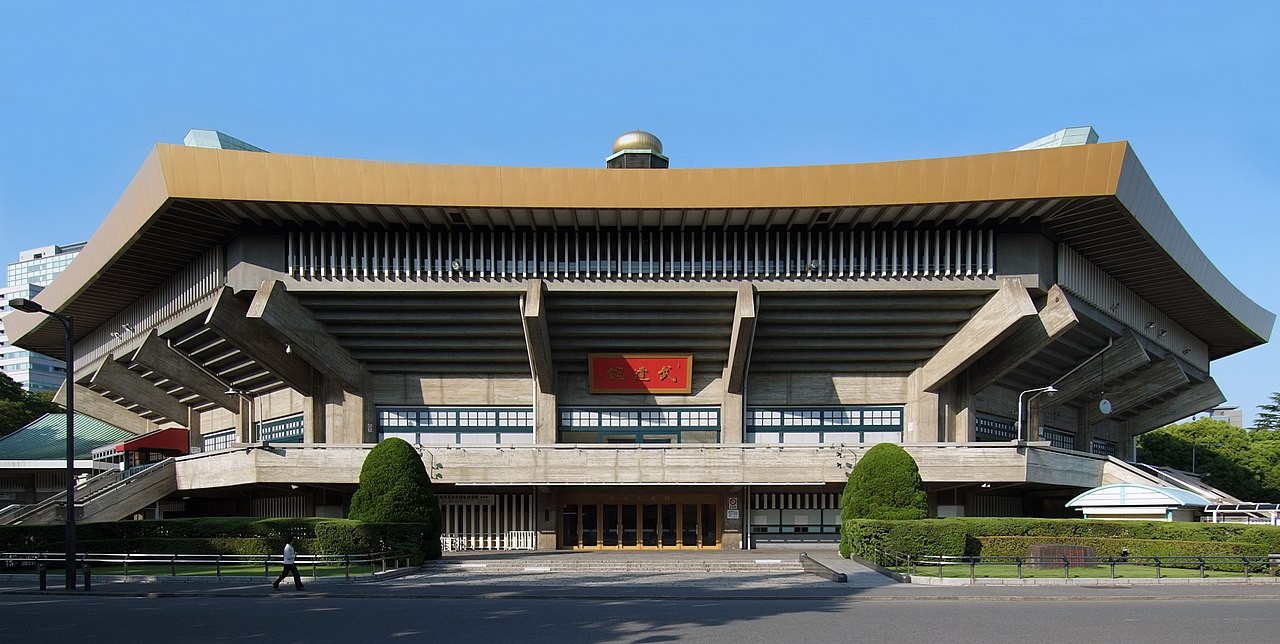
The original plans for Nippon Festival included events such as Kabuki x Opera (a concert that would have featured stage actor Ichikawa Ebizō XI, opera singers Anna Pirozzi and Erwin Schrott, and the Tokyo Philharmonic Orchestra), an arts and culture festival focusing on disabilities,[167][168][169][170] and a special two-day exhibition sumo tournament at the Ryōgoku Kokugikan shortly after the Olympics—which would have differed significantly from the traditional bi-monthly Honbasho tournaments, and featured special commentary in English and Japanese to help explain to spectators the customs and traditions of professional sumo, which are deeply rooted in the Shinto religion.[171][172]
The Games
Opening ceremony

The opening ceremony was held on 23 July 2021 in the Olympic Stadium in Tokyo. It included the traditional Parade of Nations. Emperor Naruhito formally opened the Games, and at the end of the torch relay the Olympic cauldron was lit by Japanese tennis player Naomi Osaka.[173]
For the first time in the 2020 Olympic Games, it was decided that one male and one female in each country would take turns holding flags and serve as two of them.[174] This was done by embodying the "Agenda 2020" set during President Bach's term.[175][176]
For the first time in the history of the games, a moment of silence was observed in the opening ceremony for the victims of COVID-19, the 2011 earthquake and tsunami and the Munich massacre.[177]
Sports


.jpg/1280px-Mt._Fuji_from_Osaki_Park_(Zushi).jpg)

The event program for the 2020 Summer Olympics was approved by the IOC executive board on 9 June 2017. IOC president Thomas Bach stated that their goal was to give the Games "youthful" and "urban" appeal, and to increase the number of female participants.[178][179]
The Games featured 339 events in 33 different sports, encompassing a total of 51 disciplines. Karate, sport climbing, surfing, and skateboarding made their Olympic debut, while baseball and softball also made a one-off return to the Summer Olympics for the first time since 2008. 15 new events within existing sports were also added, including 3×3 basketball, freestyle BMX, and the return of madison cycling, as well as nine new mixed events in several sports (table tennis, archery, judo, shooting (3), triathlon, 4 × 400 m relay running and 4 × 100 m medley swimming).[180]
In the list below, the number of events in each discipline is noted in parentheses.[180]
New and Optional sports
On 12 February 2013, with a remit to control the cost of the Games and ensure they are "relevant to sports fans of all generations", the IOC Executive Board recommended the removal of one of the 26 sports contested at the 2012 Summer Olympics, leaving a vacancy which the IOC would seek to fill at the 125th IOC Session. The new entrant would join golf and rugby sevens (which would both debut in 2016) as part of the program of 28 "core" sports. Five sports were shortlisted for removal, including canoe, field hockey, modern pentathlon, taekwondo, and wrestling. In the final round of voting by the executive board, eight members voted to remove wrestling from the Olympic program. Field hockey and taekwondo tied in second with three votes each.[181][182][183]
The 2013 decision to drop wrestling after Rio 2016 surprised many media outlets, given that the sport's role in the Olympics dates back to the ancient Olympic Games, and was included in the original program for the modern Games. The New York Times felt that the decision was based on the shortage of well-known talent and the absence of women's events in the sport.[184][185][186] Out of the shortlist from the IOC vote, Wrestling was duly added to the shortlist of applicants for inclusion in the 2020 Games, alongside the seven new sports that were put forward for consideration.[184]
On 29 May 2013, it was announced that three of the eight sports under consideration had made the final shortlist: baseball/softball, squash and wrestling.[187] The other five sports were rejected at this point: karate, roller sports, sport climbing, wakeboarding, and wushu.[188] At the 125th IOC Session on 8 September 2013, wrestling was chosen to be included in the Olympic program for 2020 and 2024. Wrestling secured 49 votes, while baseball/softball and squash received 24 votes and 22 votes respectively.[189]
With the adoption of the Olympic Agenda 2020 in December 2014, the IOC shifted from a "sport-based" approach to the Olympic program to an "event-based" program—establishing that organizing committees may propose discretionary events to be included in the program to improve local interest.[190][191] As a result of these changes, a shortlist of eight new proposed sports was unveiled on 22 June 2015, consisting of baseball/softball, bowling, karate, roller sports, sport climbing, squash, surfing, and wushu.[192] On 28 September 2015, the Tokyo Organizing Committee submitted their shortlist of five proposed sports to the IOC: baseball/softball, karate, sport climbing, surfing, and skateboarding.[193] These five new sports were approved on 3 August 2016 by the IOC during the 129th IOC Session in Rio de Janeiro, Brazil, and were included in the sports program for 2020 only, bringing the total number of sports at the 2020 Olympics to 33.[194][195]
Test events
A total of 56 test events were scheduled to take place in the run-up to the 2020 Olympics and Paralympics. Two of the events were held in late 2018, but the main test event schedule commenced in June 2019 and was originally due to be completed in May 2020 prior to the start of the Olympics. Several of the events were incorporated into pre-existing championships, but some have been newly created specifically to serve as Olympic test events for the 2020 Summer Games.[196][197]
In February 2019, it was announced that the test events would be branded under the banner "Ready, Steady, Tokyo". The Tokyo Organizing Committee is responsible for 22 of the test events, with the remaining events being arranged by national and international sports federations. The first test event was World Sailing's World Cup Series, held at Enoshima in September 2018. The last scheduled event is the Tokyo Challenge Track Meet, which was originally due to take place at the Olympic Stadium on 6 May 2020.[198]
All test events originally scheduled to take place from 12 March 2020 onwards were postponed due to COVID-19, with the test event calendar to be reviewed during the preparations for the rescheduled Games.[j][199]
Participating National Olympic Committees
The Republic of Macedonia has competed under the provisional name "Former Yugoslav Republic of Macedonia" in every Summer and Winter Games since its debut in 1996 because of the disputed status of its official name. The naming disputes with Greece ended in 2018 with the signing of the Prespa agreement, and the country was officially renamed North Macedonia in February 2019. The new name was immediately recognized by the IOC, although the Olympic Committee of North Macedonia (NMOC) was not officially adopted until February 2020. The NMOC sent a delegation to the 2020 Winter Youth Olympics in January 2020, but the Tokyo Games were North Macedonia's first appearance at the Summer Olympics under its new name.[200]
Since competing as Swaziland ten times at the Summer and Winter Olympics, Eswatini made its debut under that name after the renaming of the country by the king in 2018.[201]
On 9 December 2019, the World Anti-Doping Agency (WADA) banned Russia from all international sport for a period of four years, after the Russian government was found to have tampered with laboratory data that it had provided to WADA in January 2019 as a condition of the Russian Anti-Doping Agency being reinstated. As a result of the ban, WADA planned to allow individually cleared Russian athletes to take part in the 2020 Summer Olympics under a neutral banner, as instigated at the 2018 Winter Olympics, but they would be excluded from team sports. The head of WADA's Compliance Review Committee, Jonathan Taylor, stated that the IOC would not be able to use the "Olympic Athletes from Russia" (OAR) designation as it did in 2018, emphasizing that neutral athletes could not be portrayed as representing a specific country.[202][203][204] Russia later filed an appeal to the Court of Arbitration for Sport (CAS) against WADA's decision.[205] After reviewing the case on appeal, CAS ruled on 17 December 2020 that the penalty placed on Russia be reduced. Instead of a total ban from all sporting events, the ruling allowed Russia to participate at the Olympics and other international events, but the team would not be permitted to use the Russian name, flag, or anthem for a period of two years and must present themselves as "Neutral Athlete" or "Neutral Team". The ruling does allow for "Russia" to be displayed on the team uniform—although it should be no more visible than the "Neutral Athlete/Team" designation—as well as the use of the Russian flag's colors within the uniform's design.[206]
On 19 February 2021, it was announced that Russia would compete under the acronym "ROC" after the name of the Russian Olympic Committee although the name of the committee itself in full could not be used to refer to the delegation. The ROC team would be represented by the flag of the Russian Olympic Committee.[207]
On 6 April 2021, North Korea announced that it would not participate in the 2020 Summer Olympics because of COVID-19 concerns.[208] This marked North Korea's first absence from the Summer Olympics since 1988.[209] In September, a month after the games concluded, the Olympic Committee of the Democratic People's Republic of Korea was banned from participation in the 2022 Winter Olympics, after they failed to participate in the Tokyo Olympics. On 21 July 2021, Guinea announced it would not be sending a delegation to the Tokyo Olympics, allegedly due to COVID-19 concerns, though media outlets suggested that financial considerations may have been the real motivating factor.[210] Guinea later reversed the decision and confirmed that it would be participating.[211]


The following 206 teams qualified (including the 104 universality places guaranteed in athletics, under which all 206 NOCs may send competitors regardless of qualification).[212]
Number of athletes by National Olympic Committee
11,420 athletes from 206 NOCs:[2][214]
Calendar
The 2020 schedule by session was approved by the IOC Executive Board on 18 July 2018, with the exception of swimming, diving, and artistic swimming. A more detailed schedule by event was released on 16 April 2019, still omitting a detailed schedule for the boxing events.[215][216] A detailed boxing schedule was released in late 2019.[217]
The original schedule was from 22 July to 9 August 2020. To postpone the Olympics until 2021, all events were delayed by 364 days (one day less than a full year to preserve the same days of the week), giving a new schedule of 21 July to 8 August 2021.[218]
- All times and dates use Japan Standard Time (UTC+9)
Medal table
* Host nation (Japan)
Podium sweeps
There were two podium sweeps, as follows:
Medal ceremonies
Naoki Satō composed the music for the medal ceremonies. Satō chose not to employ any musical elements distinctive to Japan "because victory ceremonies are for athletes from around the world" and he wanted all medalists to "feel at ease" when taking their places on the podium, regardless of their nationality.[222]
The bouquets presented to the athletes came from regions affected by the 2011 earthquake and tsunami. The individual flowers were selected to represent the prefectures of Miyagi, Fukushima, Iwate, and Tokyo. The sunflowers were grown in Miyagi, planted by families whose children had died during the disaster; the white and purple eustomas and Solomon's seals were provided by a non-profit initiative to boost the local economy in Fukushima; the small bright blue gentians were grown in Iwate; and aspidistras, grown in Tokyo, were chosen to complete the bouquets.[223]
Event scheduling
Per the historical precedent of swimming at the 2008 Summer Olympics in Beijing and figure skating at the 2018 Winter Olympics in Pyeongchang, swimming finals were held in the morning to allow live primetime broadcasts in the Americas. NBC paid substantial fees for rights to the Olympics, so the IOC has allowed NBC to influence event scheduling to maximize U.S. television ratings when possible. On 7 May 2014, NBC agreed to a US$7.75 billion contract extension to air the Olympics through the 2032 games,[224] with the company being one of the IOC's major sources of revenue.[225] Japanese broadcasters were said to have criticized the decision, as swimming is one of the most popular Olympic events in the country.[226][227]
Marketing

The official emblems for the 2020 Olympics and Paralympics were unveiled on 25 April 2016; designed by Asao Tokolo, who won a nationwide design contest, it takes the form of a ring in an indigo-colored checkerboard pattern. The design was meant to "express a refined elegance and sophistication that exemplifies Japan".[228] The checkered design resembles a pattern called ichimatsu moyo that was popular during the Edo period in Japan from 1603 to 1867.[229] The designs replaced a previous emblem which had been scrapped after allegations that it plagiarized the logo of the Théâtre de Liège in Belgium. The Games' bid slogan was Discover Tomorrow (Japanese: 未来をつかもう, romanized: Ashita o tsukamō). While ashita literally means "tomorrow", it is intentionally spelled as mirai, "future".[230] The official slogan United by Emotion was unveiled on 17 February 2020. The slogan was used solely in English.[231]
The official mascot of the 2020 Summer Olympics was Miraitowa, a figure with blue-checkered ichimatsu moyo patterns inspired by the Games' official emblem. Its fictional characteristics include the ability to teleport.[232] Created by Japanese artist Ryo Taniguchi, the mascots were selected from a competition process which took place in late 2017 and early 2018. A total of 2,042 candidate designs were submitted to the Tokyo Organizing Committee, which selected three pairs of unnamed mascot designs to present to Japanese elementary school students for the final decision.[233][234] The results of the selection were announced on 28 February 2018, and the mascots were named on 22 July 2018. Miraitowa is named after the Japanese words for "future" and "eternity",[232] and Someity is named after someiyoshino, a type of cherry blossom.[235] Someity's name also refers to the English phrase "so mighty".[236] The mascots were expected to help finance the Tokyo Games through merchandizing and licensing deals.[237] For the legacy of the games on 3 January 2022, Ryo Taniguchi created Miraity (the future child of the mascots).[238]
Look of the Games
Alongside the main Emblem blue, the five other colors used in the branding of the 2020 Games were : Kurenai red, Ai blue, Sakura pink, Fuji purple, and Matsuba green. These five traditional colors of Japan were used as sub-colors to create points of difference in the color variations.[239]
Concerns and controversies
Several controversial issues occurred during the preparations for the Tokyo Games. There were allegations of bribery in the Japanese Olympic Committee's (JOC) bid and of plagiarism in the initial design for the Games' logo. On 10 December 2018, the French financial crimes office began an investigation of Tsunekazu Takeda, the president of the Japanese Olympic Committee, concerning a 2013 scheme to obtain votes from African IOC members in support of Tokyo as host for the 2020 Olympics over Istanbul or Madrid.[240][241] In March 2020, a Japanese businessman admitted to giving gifts, including cameras and watches, to IOC officials in order to lobby for their support of Tokyo's bid to host the Olympic Games.[242] The official emblems of the Tokyo Olympics and Paralympics, designed by Kenjirō Sano, were unveiled in July 2015 but were withdrawn and replaced following plagiarism accusations.[243][244] The lawsuit by Olivier Debie, who claimed that his logo design was copied, was later dropped, with the designer citing escalating legal costs.[245]
Mass logging for construction of the Olympic venues received international criticism. Petitions, containing more than 140,000 signatures in total, were delivered to the Japanese embassies in Switzerland and Germany, expressing concerns over claims of using tropical wood sourced from Shin Yang, a Malaysian company with a record of human rights abuses, illegal logging, and rainforest destruction.[246][247] In February 2018, the Olympics Organizing Committee admitted that 87% of plywood panels used to build the new national stadium was sourced from endangered rainforests.[248]
Portions of the Games were scheduled for locations impacted by the 2011 Tōhoku earthquake and tsunami, and the subsequent Fukushima Daiichi nuclear disaster. The hosting of events in these locations was promoted as a means of furthering recovery in the regions, with the Games sometimes being promoted as the "Recovery Olympics".[249][250]
However, the organization of events in these regions has faced criticism; Fukushima is considered safe by the World Health Organization and the United Nations, although scientific studies on the safety of the area are still disputed.[251] Some Tōhoku residents questioned the decision to use the region as a host site, arguing that preparations for the Games slowed down recovery efforts, and that the region lost workers to projects associated with the Games.[252]
It was widely reported by international media that South Korea had asked the IOC to ban the Japanese Rising Sun Flag from the 2020 Summer Olympics,[253] claiming it to be a symbol of Japan's imperialist past, recalling "historic scars and pain" for people of Korea just as the swastika "reminds Europeans of the nightmare of World War II".[254][255] Use of the flag in international sporting events such as the Olympic Games is controversial because it was used for waging aggressive war against many countries in Pacific regions, including the attack on Pearl Harbor.[256] According to the Associated Press, the IOC issued a statement in response to South Korea's request, saying, "sports stadiums should be free of any political demonstration. When concerns arise at games time we look at them on a case-by-case basis."[257] Russian and South Korean officials took issue with a map of the torch relay on the Games' official website, which depicted the disputed Liancourt Rocks (governed by South Korea) and Kuril Islands (governed by Russia since 1945) as part of Japan.[258]
In February 2021, the TOCOG president Yoshirō Mori resigned, after facing both domestic and international criticisms over his sexist remarks.[259][260] The previous conduct of the new president, Seiko Hashimoto, has also drawn criticisms,[261] leading her to comment "I regret it and think I should be careful" on one of the accusations.[262] The head creative director for the opening and closing ceremonies, Hiroshi Sasaki, resigned in March 2021, after making demeaning comments about Naomi Watanabe.[263][264] Sasaki's replacement, Kentarō Kobayashi, was dismissed by the Organizing Committee the day before the opening ceremony,[265][266] after it was reported by Japanese media that he had made a joke about the Holocaust in a script for his comedy in 1998, saying "Let's play Holocaust."[267] On the eve of the opening ceremony, Yoshihide Suga, the Prime Minister of Japan and the Supreme Advisor of the Organizing Committee,[268] described Kobayashi's jokes as "outrageous and unacceptable", but also said that the opening ceremony, which was directed by Kobayashi, should proceed as planned.[269]
The composer for the opening ceremony, Keigo Oyamada, resigned days before the ceremony after growing criticism of his past bullying of people with apparent disabilities, such as Down syndrome.[270][271] On 16 July, a week before the opening ceremony, TOCOG announced their support of Oyamada as a composer and vowed not to change his selection for the ceremonies,[272][273] but growing criticism forced him to announce his resignation on 19 July.[274][275] The opening ceremony music included arrangements of video game soundtracks originating in Japan; however, this included music from the Dragon Quest series, composed by Koichi Sugiyama whom The Daily Beast described as "notoriously homophobic and ultranationalist", leading to further criticism of the Organizing Committee.[276]
Officials reported that by early June 2021, about 10,000 of the 80,000 registered volunteers had quit.[277] "There's no doubt that one of the reasons is concern over coronavirus infections," the chief executive of the Organizing Committee said,[278] also stating he did not believe this would impact the operation of the Games.[277] On 23 July, hundreds of anti-Olympic protestors gathered outside the Japan National Stadium before the opening ceremony. Security guards blocked reporters from leaving the stadium to interview protestors.[279] In total, more than 60,000 police were mobilized for security during the Games, and police were regularly deployed to break up public displays of protest, including tackling protestors on their way to join the anti-Olympic protest in Sendagaya during the closing ceremony on September 5, 2021. This overwhelming police presence, including plainclothes police officers who encircled the protest area, "served as an effective tool to criminalize a peaceful rally and to maintain a frightening image of open protest."[280]
Writing for The Conversation, Olympic scholar MacIntosh Ross raised concerns about the relationship between the IOC and WHO, suggesting the organizations showed a lack of concern for the health of Japanese citizens and Olympians. As Ross explained, "when the IOC and WHO support a global mega-event held during a pandemic, it's difficult to believe that the well-being of the host nation remains a priority."[281] Similarly, Japan scholars O'Shea and Maslow remark, "International media coverage and commentary runs the gamut from sometimes scathing critique for attempting to pull off a 'pandemic games', to praise and plaudits for successfully pulling off a 'pandemic games'. Still, the story that Japan—or at least the LDP—wanted to tell, of a newly reborn and 'normal' Japan (re-)entering the world stage remained untold. Instead, the story of the 2020/2021 Tokyo Olympics was more mundane, that of a state doing a decent job of managing Covid and hosting a mega-event against the wishes of many of its inhabitants."[282]
A number of controversies arose during the Games, most notably the attempted repatriation on 1 August of Belarusian sprinter Krystsina Tsimanouskaya, allegedly for her criticism of the national sports authorities and team management.[283] Refusing to return to Belarus, over fears for her safety,[284] Tsimanouskaya sought assistance from the IOC and traveled to Warsaw, Poland, on 4 August after being granted a humanitarian visa by Tokyo's Polish Embassy.[285]
Near the end of the Olympics, it was reported that Australian athletes had damaged the village rooms before departure, leaving a pool of vomit on the floor, damaged beds and a hole in the wall. Australian rugby Olympians also reportedly became drunk on the flight to Sydney, leaving vomit in the plane bathroom and receiving complaints from other passengers. Team Australia chief Ian Chesterman played down the incidents, and said that the Olympians would not be punished.[286]
Algerian judoka Fethi Nourine and his coach Amar Benikhlef were suspended for 10 years by the International Judo Federation after Nourine refused to fight an Israeli athlete at the Olympics.[287] Nourine said his political support for the Palestinians in the Israeli–Palestinian conflict made it impossible for him to compete against Israeli athletes.[288] Sudan's Mohamed Abdalarasool also withdrew from the competition to avoid the Israeli athlete.[289]
After the Olympics concluded, New Zealand diving judge Lisa Wright revealed that during the diving events, Zhou Jihong, Vice President of FINA from China, allegedly launched a verbal tirade at Wright at the conclusion of the men's 10m platform final. Wright alleged that Zhou verbally abused her for underscoring Chinese divers.[290] Diving New Zealand subsequently complained about the incident to FINA's Ethics Panel. As a result, Zhou was ordered by a FINA Ethics Panel decision[291] to write a letter of apology to Wright. A recommendation was also made by the Ethics Panel to disestablish Zhou's position as Diving Bureau Liaison for FINA. The FINA Ethics Panel stated that the incident during the men's platform final was "unfortunate" and led to a "misunderstanding mixed with misjudgement" between Wright and Zhou.[291] In May 2022, former international diver, Olympic judge and previous member of FINA's Technical Diving Committee from New Zealand Simon Latimer revealed he had sent a whistleblower complaint[292] to FINA's Executive Director Brent Nowicki in December 2021 detailing Zhou's alleged "unethical behavior" which also contained allegations that Zhou coached Chinese divers during major events during the 2020 Summer Olympics and she had manipulated judging panels in order to benefit Chinese athletes. Latimer claimed that Zhou's behavior was tarnishing the reputation of international diving and that she was acting in the interests of China rather than international diving as a whole. Subsequent to Latimer's complaint, video evidence emerged online showing Zhou coaching Chinese divers during competition sessions at the Olympics,[293] a behavior considered unethical given her supposedly neutral role as a FINA Vice President and Diving Bureau Liaison.
Broadcasting
The Olympic Games Tokyo 2020 reached a global broadcast audience of 3.05 billion people, according to independent research conducted on behalf of the International Olympic Committee (IOC). Official coverage on Olympic broadcast partners' digital platforms alone generated 28 billion video views in total – representing a 139 per cent increase compared with the Olympic Games Rio 2016 and underlining the changing media landscape and Tokyo 2020's designation as the first streaming Games and the most watched Olympic Games ever on digital platforms.[294]
Sony and Panasonic partnered with NHK to develop broadcasting standards for 8K resolution television, with a goal to release 8K television sets in time for the 2020 Summer Olympics.[295][296] In early 2019, Italian broadcaster RAI announced its intention to deploy 8K broadcasting for the Games.[297] NHK broadcast the opening and closing ceremonies, and coverage of selected events in 8K.[298][299] Telecom company NTT Docomo signed a deal with Finland's Nokia to provide 5G-ready baseband networks in Japan in time for the Games.[300][301]
The Tokyo Olympics were broadcast in the United States by NBCUniversal networks, as part of a US$4.38 billion agreement that began at the 2014 Winter Olympics in Sochi.[302] The United States Olympic & Paralympic Committee asserted that a "right of abatement" clause in the contract was triggered by the delay of the Games to 2021, requiring the IOC to "negotiate in good faith an equitable reduction in the applicable broadcast rights payments" by NBC, with the American corporation being one of the IOC's biggest revenue streams.[225][303] According to NBCUniversal CEO Jeff Shell, the Tokyo games could be the most profitable Olympics in NBC's history. The Tokyo games were NBC's first Olympics broadcast under current president Susan Rosner Rovner; it would be also be the last due to Rovner's departure in 2023.[304]
In Europe, this was the first Summer Olympics under the IOC's exclusive pan-European rights deal with Eurosport, which began at the 2018 Winter Olympics and is contracted to run through 2024. The rights for the 2020 Summer Olympics covered almost all of Europe; a pre-existing deal with a marketer excludes Russia.[305] Eurosport planned to sub-license coverage to free-to-air networks in each territory, and other channels owned by Discovery, Inc. subsidiaries. In the United Kingdom, these were set to be the last Games with rights owned primarily by the BBC, although as a condition of a sub-licensing agreement due to carry into the 2022 and 2024 Games, Eurosport holds exclusive pay television rights.[306][307][308] In France, these were the last Games whose rights are primarily owned by France Télévisions. Eurosport debuted as pay television rightsholder, after Canal+ elected to sell its pay television rights as a cost-saving measure.[309]
In Canada, the 2020 Games were shown on CBC/Radio-Canada platforms, Sportsnet, TSN and TLN.[310][311][312] In Australia, they were aired by Seven Network.[313] In the Indian subcontinent, they were aired by Sony Pictures Networks India (SPN).[314]
See also

- 2020 Summer Paralympics
- Olympic Games held in Japan
- 1964 Summer Olympics – Tokyo
- 1972 Winter Olympics – Sapporo
- 1998 Winter Olympics – Nagano
- 2020 Summer Olympics – Tokyo
- List of IOC country codes
- 1940 Summer Olympics – planned in Tokyo
Notes
- ^ The new emblem, created by Asao Tokolo, was introduced at the closing ceremony of the 2016 Summer Olympics in Rio de Janeiro, Brazil. Made by checkboards, it expresses a refined elegance and sophistication that exemplifies Japan. Previously, the original emblem, made by Kenjirō Sano, was scrapped after his design was found to be plagiarizing the logo of Théâtre de Liège, a Belgian theatre company.
- ^ Only an English motto was used during the Games. There was no Japanese equivalent of the motto adopted.[1]
- ^ Japanese: 2020年夏季オリンピック, Hepburn: Nisen Nijū-nen Kaki Orinpikku
- ^ 第三十二回オリンピック競技大会, Dai Sanjūni-kai Orinpikku Kyōgi Taikai
- ^ 東京2020, Tōkyō Nii Zero Nii Zero
- ^ Overseas spectators were first banned in March 2021, then followed by residents of Japan in July of that year to avoid any risk of a superspreading event.[7]
- ^ Tokyo was set to host the 1940 Summer Olympics but pulled out in 1938 due to the Second Sino-Japanese War.[9]
- ^ The 1916 Summer Olympics was called off due to World War I, while the 1940 and 1944 Summer Olympics were also called off due to World War II.
- ^ based on the average USD/JPY 2021 exchange rate.[82]
- ^ The remainder of the Olympic test events resumed on 11 March 2021 and the last event took place on 5 May 2021.[citation needed]
- ^ Neutral athletes from Russia competed under the flag of the Russian Olympic Committee.
References
- ^ "'United by Emotion' to be the Tokyo 2020 Games Motto". Tokyo2020.org. Tokyo Organising Committee of the Olympic and Paralympic Games. 17 February 2020. Archived from the original on 13 March 2020.
- ^ a b c "Olympics: Tokyo Games cost totals 1.42 tril. yen, twice bid figure". Kyodo News. 21 June 2022. Archived from the original on 21 June 2022.
A total of 11,420 athletes took part in the Tokyo Olympics and a record-high 4,403 at the Paralympics, the organizers said.
- ^ "Olympics 2020: Tokyo wins race to host Games". BBC Sport. 7 September 2013. Archived from the original on 5 February 2016. Retrieved 13 February 2018.
- ^ "Olympics history: Have the Games been postponed before?". Los Angeles Times. 24 March 2020. Archived from the original on 29 March 2020. Retrieved 29 March 2020.
- ^ García-Hodges, Ahiza; Talmazan, Yuliya; Yamamoto, Arata (24 March 2020). "Tokyo 2020 Olympics postponed over coronavirus concerns". NBC News.
- ^ a b Multiple sources:
- McDonald, Scott (25 March 2020). "The Reason why Olympics in 2021 will still be called the 2020 Olympic Games". Newsweek. Archived from the original on 1 April 2020. Retrieved 30 March 2020.
- Denyer, Simon; Maese, Rick (20 March 2021). "Tokyo Olympics organizers ban spectators from outside Japan in pandemic-control measure". Washington Post. Archived from the original on 20 March 2021. Retrieved 20 March 2021.
- Ingle, Sean; McCurry, Justin (8 July 2021). "Spectators banned from most Olympic events as Covid emergency declared". The Guardian. Archived from the original on 11 July 2021. Retrieved 8 July 2021.
- ^ Dooley, Ben (8 July 2021). "'Spectators Will Be Barred at Tokyo Olympics Amid New Covid Emergency". The New York Times. Archived from the original on 8 July 2021.
- ^ Cervantes, Alberto (23 July 2021). "The Tokyo Olympics' Staggering Price Tag and Where It Stands in History". The Wall Street Journal. ISSN 0099-9660. Archived from the original on 13 November 2021. Retrieved 7 November 2021.
- ^ Brockell, Gillian (24 March 2020). "'This isn't the first time Olympics in Japan have been disrupted". The Washington Post. Archived from the original on 25 May 2021. Retrieved 8 August 2021.
- ^ "An Olympics like no other, Tokyo perseveres to host Games". Usatoday.com. 20 July 2021. Archived from the original on 20 February 2022. Retrieved 20 February 2022.
- ^ Kremers, Daniel (2020). "Outdoor sports in the periphery: Far from the compact games". In Barbara Holthus; Isaac Gagné; Wolfram Manzenreiter; Franz Waldenberger (eds.). Japan Through the Lens of the Tokyo Olympics. Routledge. doi:10.4324/9781003033905. ISBN 978-1-003-03390-5.
- ^ Ostlere, Lawrence (26 July 2021). "Flora Duffy wins Bermuda's first Olympic gold as GB's Georgia Taylor-Brown takes silver". The Independent. Archived from the original on 26 July 2021. Retrieved 26 July 2021.
- ^ Chappell, Bill (26 July 2021). "The Philippines Wins Its First Olympic Gold After Nearly 100 Years Of Trying". NPR.org. Archived from the original on 25 April 2022. Retrieved 26 July 2021.
- ^ Oliver, Brian (31 July 2021). "Weightlifter Meso wins Qatar's first ever Olympic gold medal". Inside the Games. Archived from the original on 31 July 2021. Retrieved 31 July 2021.
- ^ Oyeleke, Sodiq (5 August 2021). "Hugues Zango wins Burkina Faso's first-ever Olympic medal". The Punch. Archived from the original on 5 August 2021. Retrieved 5 August 2021.
- ^ Mercer, Bryan (29 July 2021). "San Marino wins first Olympic medal in nation's history". www.nbcolympics.com. Archived from the original on 15 December 2021. Retrieved 29 July 2021.
- ^ Ellingworth, James (27 July 2021). "Weightlifter Guryeva wins Turkmenistan's 1st Olympic medal". APNews. Archived from the original on 31 March 2022. Retrieved 27 July 2021.
- ^ a b c "Olympic Host City Election | From Candidate to Host City". International Olympic Committee. 27 April 2021. Archived from the original on 8 August 2021. Retrieved 8 August 2021.
- ^ Wilson, Stephen (8 September 2013). "Results of the IOC vote to host the 2020 Summer Olympics". Austin American-Statesman. Associated Press. Archived from the original on 4 March 2020. Retrieved 11 December 2018.
- ^ a b Swift, Rocky (23 January 2020). "Coronavirus spotlights Japan contagion risks as Olympics loom". Reuters. Archived from the original on 24 January 2020. Retrieved 23 January 2020.
- ^ McCurry, Justin (1 February 2020). "Tokyo 2020 organisers fight false rumours Olympics cancelled over coronavirus crisis". The Guardian. Archived from the original on 19 April 2021. Retrieved 20 April 2020.
- ^ "Frequently Asked Questions about the Olympic Games Tokyo 2020 - Olympic News". International Olympic Committee. 2 June 2021. Archived from the original on 6 June 2021. Retrieved 6 June 2021.
- ^ García-Hodges, Ahiza; Talmazan, Yuliya; Yamamoto, Arata (24 March 2020). "Tokyo 2020 Olympics postponed over coronavirus concerns". NBCNews.com. Archived from the original on 25 July 2020. Retrieved 5 August 2020.
- ^ Silvester, Andy (18 February 2020). "Exclusive: Bailey calls for London to host Olympics if coronavirus forces Tokyo move". City A.M. Archived from the original on 19 February 2020. Retrieved 20 February 2020.
- ^ Slodkowski, Antoni (21 February 2020). "Tokyo Governor Criticizes Suggestion That London Could Host 2020 Olympics". The New York Times. Reuters. Archived from the original on 21 February 2020.
- ^ Fong, Philip (26 January 2021). "Florida offers to host Olympics if Tokyo backs out: state official". Japan Today. Archived from the original on 26 January 2021. Retrieved 27 January 2021.
- ^ Haring, Bruce (22 May 2021). "Tokyo Olympics Will Be Held Even If Japan Emergency Continues, IOC Official Insists". Deadline. Archived from the original on 23 May 2021. Retrieved 23 May 2021.
- ^ "東京五輪中に緊急事態宣言が必要になる可能性も...厚労省の専門家組織会合で試算結果<新型コロナ>:東京新聞 TOKYO Web" [There is a possibility that a state of emergency may be required during the Tokyo Olympics ... Estimated results at an expert organization meeting of the Ministry of Health, Labor and Welfare]. 東京新聞 TOKYO Web (in Japanese). 16 June 2021. Archived from the original on 16 June 2021. Retrieved 16 June 2021.
- ^ 共同通信 (16 June 2021). "五輪観客入れると感染者1万人増も | 共同通信" [The number of infected people will increase by 10,000 when the Olympic spectators are included]. 共同通信 [Kyodo news] (in Japanese). Archived from the original on 16 June 2021. Retrieved 16 June 2021.
- ^ "FIBA Women's Olympic Qualifying Tournament relocated to Belgrade, Serbia". fiba.basketball. FIBA. 27 January 2020. Archived from the original on 1 February 2020. Retrieved 15 March 2020.
- ^ "Olympic boxing qualifiers moved to Jordan". The Japan Times. Reuters. 25 January 2020. Archived from the original on 25 January 2020. Retrieved 25 January 2020.
- ^ "2020 AFC Women's Olympic Qualifying Tournament to be hosted in Sydney, Australia". matildas.com.au. Football Federation Australia. 26 January 2020. Archived from the original on 26 January 2020. Retrieved 27 January 2020.
- ^ ZK Goh (16 March 2020). "Boxing Road to Tokyo European qualifier in London suspended". olympics.com. Archived from the original on 9 May 2021. Retrieved 16 March 2020.
- ^ Hope, Nick (1 December 2020). "European Olympic boxing qualification event returning to London in April". BBC Sport. Archived from the original on 4 December 2020. Retrieved 2 December 2020.
- ^ "European Qualifying Event". boxing.athlete365.org. 7 May 2021. Archived from the original on 2 August 2021. Retrieved 2 August 2021.
- ^ "Olympics postponed; to be held latest by 2021 summer, says Japanese PM". 24 March 2020. Archived from the original on 6 April 2022. Retrieved 21 June 2022.
- ^ a b Sharma, Aryan (23 March 2020). "Tokyo Olympics 2020: Coronavirus Doping Tests For Players – A Big Question Mark". essentiallysports.com. Archived from the original on 25 April 2020. Retrieved 24 March 2020.
- ^ "Drug testing to resume in China after coronavirus outbreak". Reuters. 21 February 2020. Archived from the original on 24 March 2020. Retrieved 24 March 2020.
- ^ Top Chinese Swimmers Tested Positive for Banned Drug, Then Won Olympic Gold, New York Times, 20 April 2024; [1]
- ^ Trotter, Anthony; Winsor, Morgan (2 March 2020). "No plans to cancel or postpone Tokyo 2020 Olympics amid coronavirus outbreak, organizers say". abcnews.go.com. ABC News. Archived from the original on 4 March 2020. Retrieved 20 April 2020.
- ^ "Canada, Australia withdraw from Tokyo 2020 as organizers ponder postponement". CNBC. Reuters. 23 March 2020. Archived from the original on 23 March 2020. Retrieved 23 March 2020.
- ^ "Coronavirus: Olympic doubts grow as Canada withdraws athletes". BBC News. 23 March 2020. Archived from the original on 23 March 2020. Retrieved 23 March 2020.
- ^ Brennan, Christine (23 March 2020). "IOC member says 2020 Tokyo Olympics will be postponed due to coronavirus pandemic". USA Today. Archived from the original on 23 March 2020. Retrieved 23 March 2020.
- ^ "Joint Statement from the International Olympic Committee and the Tokyo 2020 Organising Committee". olympic.org. IOC. 24 March 2020. Archived from the original on 24 March 2020. Retrieved 25 March 2020.
- ^ "IOC, IPC, Tokyo 2020 Organising Committee and Tokyo Metropolitan Government Announce New Dates for the Olympic and Paralympic Games Tokyo 2020". olympic.org. IOC. 30 March 2020. Archived from the original on 30 March 2020. Retrieved 30 March 2020.
- ^ Pavitt, Michael (20 March 2020). "Rescheduled Tokyo 2020 Olympics to open on July 23 in 2021". Inside the Games. Archived from the original on 18 February 2021. Retrieved 20 March 2020.
- ^ Binner, Andrew (30 March 2020). "New Tokyo 2020 Olympic Dates Will Be 23 July to 8 August 2021". olympicchannel.com. Archived from the original on 31 March 2020. Retrieved 31 March 2020.
- ^ Rich, Motoko; Keh, Andrew (28 April 2020). "Summer Olympics in 2021? 'Exceedingly Difficult' Without a Coronavirus Vaccine". The New York Times. ISSN 0362-4331. Archived from the original on 1 May 2020. Retrieved 3 May 2020.
- ^ a b "Next Olympics to be 'scrapped' if 2021 date is missed according to Tokyo 2020 president". RTÉ.ie. 28 April 2020. Archived from the original on 3 May 2020. Retrieved 3 May 2020.
- ^ Ingle, Sean (29 April 2020). "Tokyo Olympics in 2021 at risk of cancellation admits Japan's PM". The Guardian. ISSN 0261-3077. Archived from the original on 4 May 2020. Retrieved 4 May 2020.
- ^ a b Roan, Dan (20 May 2020). "IOC's Thomas Bach accepts Tokyo Olympics would have to be cancelled if not held in 2021". BBC Sport. Archived from the original on 26 August 2020. Retrieved 24 May 2020.
- ^ a b Shimizu, Kazuki; Sridhar, Devi; Taniguchi, Kiyosu; Shibuya, Kenji (14 April 2021). "Reconsider this summer's Olympic and Paralympic games". BMJ. 373: n962. doi:10.1136/bmj.n962. hdl:20.500.11820/1759d60f-2204-4234-963e-d7bf60f25628. ISSN 1756-1833. PMID 33853866. S2CID 233224002. Archived from the original on 16 May 2021. Retrieved 16 May 2021.
- ^ Murphy, Chris (21 January 2021). "Japan Reportedly 'Privately Concludes' to Cancel the 2021 Olympic Games Due to the Coronavirus". Vulture. Archived from the original on 24 January 2021. Retrieved 24 January 2021.
- ^ Yamamoto, Arata; Suliman, Adela (22 January 2021). "Japan denies as 'categorically untrue' report Tokyo Olympics could be cancelled". NBC News. Archived from the original on 23 January 2021. Retrieved 24 January 2021.
- ^ Takenaka, Kiyoshi; Williams, Alison; Fallon, Clare (19 February 2021). "Japan PM: won G7 unanimous support for holding Olympics this summer". Reuters. Archived from the original on 20 February 2021. Retrieved 24 February 2021.
- ^ "Tokyo Olympic Games could still be cancelled due to coronavirus, senior Japanese government official says". ABC.net.au. 15 April 2021. Archived from the original on 16 April 2021. Retrieved 16 April 2021.
- ^ Essig, Blake; Jozuka, Emiko; Westcott, Ben (15 April 2021). "With 100 days until the Tokyo Olympics, Japan has vaccinated less than 1% of its population. That's a problem". CNN.com. Archived from the original on 5 November 2021. Retrieved 16 April 2021.
- ^ "What pandemic? Doctors asked to volunteer at Tokyo Olympics". The Asahi Shimbun. 4 May 2021. Archived from the original on 16 May 2021. Retrieved 16 May 2021.
- ^ McCurry, Justin (3 May 2021). "Japan nurses voice anger at call to volunteer for Tokyo Olympics amid Covid crisis". The Guardian. Archived from the original on 6 May 2021. Retrieved 16 May 2021.
- ^ Rich, Motoko (2 May 2021). "How Can the Olympics Protect 78,000 Volunteers From the Coronavirus?". The New York Times. ISSN 0362-4331. Archived from the original on 28 December 2021. Retrieved 16 May 2021.
- ^ "9 governors say Tokyo Games should be canceled, delayed depending on circumstances: poll". Mainichi Daily News. 4 May 2021. Archived from the original on 16 May 2021. Retrieved 16 May 2021.
- ^ Inoue, Makiko (18 May 2021). "A new poll in Japan finds 83 percent don't want the Olympics this summer". The New York Times. ISSN 0362-4331. Archived from the original on 28 December 2021. Retrieved 21 May 2021.
- ^ "Japanese Medical Group Calls for Cancellation of Tokyo Olympics | Voice of America - English". voanews.com. 18 May 2021. Archived from the original on 7 June 2021. Retrieved 7 June 2021.
- ^ "70% of Japanese want Tokyo Games cancelled or delayed - poll". Reuters. Reuters. 12 April 2021. Archived from the original on 17 May 2021. Retrieved 17 May 2021.
- ^ Kajimoto, Tetsushi (20 May 2021). "Most Japan firms say Olympics should be cancelled or postponed, poll shows". Reuters. Archived from the original on 21 May 2021. Retrieved 21 May 2021.
- ^ "Tokyo Olympics: Widespread protests as COVID wave sweeps Japan". NewsComAu. 15 May 2021. Archived from the original on 19 May 2021. Retrieved 26 May 2021.
- ^ 赤川次郎 (6 June 2021). "(声)五輪中止、それしか道はない:朝日新聞デジタル" [The Olympics are canceled, that's the only way: Asahi Shimbun Digital]. 朝日新聞デジタル (in Japanese). Archived from the original on 6 June 2021. Retrieved 7 June 2021.
- ^ "赤川次郎氏「五輪中止を決断するしか道はない」朝日新聞の投稿欄に掲載 - スポニチ Sponichi Annex 社会" [Jiro Akagawa "There is no choice but to decide to cancel the Olympics" posted in the post section of the Asahi Shimbun --Sponichi]. スポニチ Sponichi Annex (in Japanese). Archived from the original on 6 June 2021. Retrieved 7 June 2021.
- ^ 毎日新聞 (3 June 2021). "中村文則の書斎のつぶやき:五輪利権のために" [Fuminori Nakamura's study tweet: "For Olympic rights"]. 毎日新聞 (in Japanese). Archived from the original on 7 June 2021. Retrieved 7 June 2021.
- ^ McCurry, Justin (26 May 2021). "Tokyo Olympics: Asahi Shimbun newspaper says Japan Games must be cancelled". The Guardian. Archived from the original on 23 July 2021. Retrieved 26 May 2021.
- ^ Lewis, Leo; Inagaki, Kana (4 June 2021). "Olympics sponsors call for Tokyo Games delay to allow more spectators". The Financial Times. Tokyo. Archived from the original on 5 June 2021. Retrieved 5 June 2021.
- ^ a b Brzeski, Patrick (19 July 2021). "Toyota Cancels Tokyo Olympics TV Ads in Japan, CEO Won't Attend Opening Ceremony". The Hollywood Reporter. Archived from the original on 20 July 2021. Retrieved 20 July 2021.
- ^ Gale, Alastair (13 July 2021). "Tokyo Olympics Sponsors Spent Big Bucks but Their Plans Are Falling Flat". The Wall Street Journal. ISSN 0099-9660. Archived from the original on 20 July 2021. Retrieved 20 July 2021.
- ^ a b "東京五輪・パラ 1年延期の経済損失 6400億円余 専門家試算" [Tokyo Olympics/Paralympics 1-year postponement, economic loss over 640 billion yen experts estimate]. nhk.or.jp (in Japanese). NHK. 23 March 2020. Archived from the original on 24 March 2020. Retrieved 30 March 2020.
- ^ "Japan plans to end COVID-19 border controls on Saturday". The Japan Times. 27 April 2023. Archived from the original on 27 April 2023. Retrieved 1 May 2023.
- ^ "Tokyo Games cancellation likely to cost Japan $17 bil". Kyodo News. 25 May 2021. Archived from the original on 4 June 2021. Retrieved 4 June 2021.
- ^ Cohn, Carolyn; Hussain, Noor Zainab (24 March 2020). "Olympics delay, not cancellation, provides reprieve for insurers". Reuters. Archived from the original on 8 June 2020. Retrieved 1 November 2020.
- ^ Croucher, Martin (21 July 2021). "Munich Re Losses Soar to €1.5B As Virus Bites Sector". Law360. Archived from the original on 9 October 2020. Retrieved 1 November 2020.
- ^ Minelle, B. (20 March 2021). "Tokyo 2021: Japan bans foreign fans from Olympic games due to COVID-19 risks". Sky News. Archived from the original on 20 March 2021. Retrieved 20 March 2021.
- ^ Cohn, Carolyn; Hussain, Noor Zainab (13 July 2021). "UPDATE 1-Local Olympics organisers face uninsured loss from spectator ban-sources". Reuters. Archived from the original on 27 July 2021. Retrieved 27 July 2021.
- ^ Gile, Maggie (2 July 2021). "Japan could lose $800M in Olympic ticket sales if games have no spectators". Newsweek. Archived from the original on 27 July 2021. Retrieved 27 July 2021.
- ^ "Tokyo 2020 Organising Committee publishes final balanced budget". International Olympic Committee. 21 June 2022. Archived from the original on 23 June 2022. Retrieved 23 June 2022.
- ^ Mackay, Duncan (21 June 2022). "Final bill for Tokyo 2020 twice as much as when awarded Olympics, but less than forecast after Games". Inside the Games. Archived from the original on 22 June 2022. Retrieved 22 June 2022.
- ^ "世論調査 菅内閣「支持」35%...発足以来"最低" 五輪開催「良かった」64%" [A public opinion poll showed 35% support for the Suga Cabinet, the lowest since its inauguration. 64% said they were glad the Olympics were held.]. Yahoo! Japan News. 9 August 2021. Archived from the original on 9 August 2021.
- ^ Kubota, Masaki (29 July 2021). "「メダルラッシュで日本の世論はコロッと変わる」という予言が的中した理由" [The reason why the prediction that "Japanese public opinion will change drastically with the medal rush" was correct]. Diamond Online. Archived from the original on 29 July 2021.
- ^ "Japan: WHO Coronavirus Disease (COVID-19) Dashboard With Vaccination Data". covid19.who.int. World Health Organization. 6 September 2021. Archived from the original on 3 September 2021. Retrieved 6 September 2014.
- ^ Armstrong, Jim (24 January 2014). "Mori heads Tokyo 2020 organizing committee". Yahoo Sports. AP. Archived from the original on 8 February 2014. Retrieved 4 February 2014.
- ^ "Tokyo Olympics chief Mori to quit over "sexist" remarks". Kyodo News. 11 February 2021. Archived from the original on 11 February 2021. Retrieved 11 February 2021.
- ^ DeSantis, Rachel (12 February 2021). "Tokyo Olympics Chief Resigns amid Uproar Over Sexist Comments". People.com. Archived from the original on 12 February 2021. Retrieved 12 February 2021.
- ^ a b "Female ex-Olympic athlete Hashimoto takes over as Tokyo Games chief". english.kyodonews.net. Kyodo News. 18 February 2021. Archived from the original on 18 February 2021. Retrieved 18 February 2021.
- ^ JR東日本、東京五輪を前に都心部と羽田空港結ぶ新路線整備を on YouTube
- ^ "羽田・成田発着を拡大、五輪へインフラ整備急ぐ" [Expand departures and arrivals at Haneda and Narita, and hurry to improve infrastructure for the Olympics]. 日本経済新聞 [Nihon Keizai Shimbun] (in Japanese). 10 September 2013. Archived from the original on 11 September 2013. Retrieved 10 September 2013.
- ^ "五輪で東京に1000万人 過密都市ゆえの課題多く" [10 million people in Tokyo at the Olympics Many challenges due to overcrowded city]. 日本経済新聞 [Nihon Keizai Shimbun] (in Japanese). 10 September 2013. Archived from the original on 11 September 2013. Retrieved 10 September 2013.
- ^ "ILO, Tokyo 2020 sign agreement to promote decent work in run-up to the Games". International Labour Organization (Press release). 26 April 2018. Archived from the original on 28 July 2021. Retrieved 28 July 2021.
- ^ "Tokyo 2020: Olympics will be 'simplified' in 2021". BBC Sport. 10 June 2020. Archived from the original on 27 September 2020. Retrieved 28 September 2020.
- ^ Carp, Sam (28 September 2020). "Tokyo 2020 organisers agree on 52 measures for simplified Games". SportsPro. Archived from the original on 18 October 2020. Retrieved 28 September 2020.
- ^ Himmer, Alastair (6 February 2012). "Rugby-Tokyo stadium set for billion dollar facelift". Reuters. Archived from the original on 18 September 2017. Retrieved 17 September 2017.
- ^ Wainwright, Oliver (6 November 2014). "Zaha Hadid's Tokyo Olympic stadium slammed as a 'monumental mistake' and a 'disgrace to future generations'". The Guardian. ISSN 0261-3077. Archived from the original on 16 October 2019. Retrieved 16 October 2019.
- ^ "新国立、整備費2500億円 従来デザイン維持で決着" [New National, maintenance cost 250 billion yen, settled by maintaining the conventional design]. Nihon Keizai Shimbun. 24 June 2015. Archived from the original on 26 June 2015. Retrieved 27 June 2015.
- ^ "国立競技場将来構想有識者会議" [National Stadium Future Vision Experts Meeting]. 日本スポーツ振興センター. Japan Sport Council. 7 July 2015. Archived from the original on 26 December 2015. Retrieved 11 July 2015.
- ^ "Government drops plan to build retractable roof on Olympic stadium as costs soar". The Japan Times. Kyodo. 29 July 2015. ISSN 0447-5763. Archived from the original on 16 October 2019. Retrieved 16 October 2019.
- ^ "Tokyo Olympic stadium gets new, cheaper design". BBC News Asia. 22 December 2015. Archived from the original on 27 December 2015. Retrieved 16 October 2019.
- ^ "All eyes on Tokyo's Olympic Stadium with 100 days to go". World Athletics. 14 April 2021. Archived from the original on 9 July 2021. Retrieved 5 July 2021.
- ^ Friend, Nick (9 October 2018). "Tokyo 2020 costs skyrocket to US$25 billion". SportsPro Media. Archived from the original on 30 October 2018. Retrieved 4 November 2018.
- ^ "Tokyo 2020 candidature file – section 8 – Sports and Venues" (PDF). Tokyo 2020. Archived from the original (PDF) on 5 April 2013. Retrieved 10 September 2013.
- ^ Takahashi, Ryusei (17 October 2019). "IOC planning to move Tokyo Olympic marathon north to Sapporo in bid to avoid heat". The Japan Times. ISSN 0447-5763. Archived from the original on 16 October 2019. Retrieved 16 October 2019.
- ^ Denyer, Simon; Kashiwagi, Akiko (1 November 2019). "Cool runnings: After heated dispute, Tokyo agrees to shift Olympic marathons to more clement climes". The Washington Post. Archived from the original on 1 November 2019. Retrieved 1 November 2019.
- ^ Faure, Alexandre (2 January 2023). "How the Tokyo Olympic and Paralympic Games were embedded in urban planning documents: The enforcement of a metropolitan strategy in the Bay Area". Contemporary Japan. 35 (1): 136–157. doi:10.1080/18692729.2023.2169462. ISSN 1869-2729. S2CID 258313143. Archived from the original on 13 July 2023. Retrieved 13 July 2023.
- ^ Diamond, James (25 December 2018). "Japanese Government announce ban on drones near venues during Tokyo 2020". Inside the Games. Archived from the original on 10 January 2019. Retrieved 10 January 2019.
- ^ "Japan Bolsters Olympic and Paralympic Security amid Heightened Terrorism Concerns". Nippon.com. 26 December 2019. Archived from the original on 21 June 2022. Retrieved 21 June 2022.
- ^ ul-Khaliq, Riyaz (12 July 2021). "Japan holds anti-terror drill as Tokyo Olympics near". Anadolu Agency. Archived from the original on 18 February 2022. Retrieved 18 February 2022.
- ^ "More than 200,000 Applications Received for Tokyo 2020 Volunteer program". Tokyo2020.org. TOCOG. Archived from the original on 2 February 2019. Retrieved 1 February 2019.
- ^ "Tokyo 2020: 180,000 apply to be volunteers". paralympic.org. IPC. 9 January 2019. Archived from the original on 10 January 2019.
- ^ "Volunteer names unveiled for Tokyo 2020". IOC. 30 January 2019. Archived from the original on 31 January 2019. Retrieved 31 January 2019.
- ^ Kobayashi, Chie; Wang, Selina; Berlinger, Joshua (3 June 2021). "About 10,000 Tokyo Olympic volunteers have quit with Games closing in". CNN. Archived from the original on 16 July 2021. Retrieved 16 July 2021.
- ^ Murata, Atsushi (10 July 2021). "An Olympics without fans? Tokyo volunteers suddenly have no roles". Nikkei News. Archived from the original on 16 July 2021. Retrieved 16 July 2021.
- ^ "How the Olympics will look different this year". CTVNews. 14 July 2021. Archived from the original on 15 July 2021. Retrieved 20 July 2021.
- ^ Palmer, Dan (1 February 2017). "Tokyo 2020 urge public to help create recycled medals". Inside the Games. Archived from the original on 6 January 2019. Retrieved 10 February 2019.
- ^ "Project to recycle old mobile phones for Olympic medals gets off to slow start". The Japan Times. Jiji, Kyodo. 2 January 2018. ISSN 0447-5763. Archived from the original on 4 November 2018. Retrieved 4 November 2018.
- ^ Etchells, Daniel (22 December 2017). "Tokyo 2020 launches Olympic and Paralympic medal design competition". Inside the Games. Archived from the original on 6 January 2019. Retrieved 10 February 2019.
- ^ "Japan struggles for silver for Tokyo 2020 medals". Inside the Games. 9 May 2018. Archived from the original on 5 January 2019. Retrieved 10 February 2019.
- ^ Pavitt, Michael (25 November 2018). "Bach donates to project recycling metals for Tokyo 2020 medals". Inside the Games. Archived from the original on 6 January 2019. Retrieved 10 February 2019.
- ^ "Tokyo 2020 Olympic medal design unveiled". Tokyo2020.org. TOCOG. 24 July 2019. Archived from the original on 24 July 2019. Retrieved 24 July 2019.
- ^ a b "Tokyo 2020 Olympic Games Medal Design". Tokyo2020.org. TOCOG. Archived from the original on 24 July 2019. Retrieved 24 July 2019.
- ^ Hitti, Natashah (25 July 2019). "Olympic committee unveils 2020 medals made from recycled smartphones". Dezeen. Archived from the original on 26 July 2019. Retrieved 26 July 2019.
- ^ a b "Tokyo 2020 unveils details of Greek torch relay events". Olympic.org. IOC. 11 November 2019. Archived from the original on 13 November 2019. Retrieved 28 February 2020.
- ^ a b "With the concept of 'Hope Lights Our Way,' a 121-day journey begins in Fukushima". Tokyo2020.org. TOCOG. 3 February 2020. Archived from the original on 28 February 2020. Retrieved 28 February 2020.
- ^ "International torch relays banned". BBC Sport. 27 March 2009. Archived from the original on 29 March 2009. Retrieved 28 February 2020.
- ^ "Olympic flame flickers amid Tokyo 2020 uncertainty | NHK WORLD-JAPAN News". NHK WORLD. 24 March 2020. Retrieved 13 July 2024.
- ^ "Tokyo 2020 releases one-year-to-go countdown video starring swimmer Ikee". Inside the Games. 23 July 2020. Archived from the original on 22 July 2021. Retrieved 28 September 2020.
- ^ "Olympic flame to be exhibited in Fukushima, Tokyo". NHK News. 28 March 2020. Retrieved 31 March 2020.[permanent dead link]
- ^ "Olympics: Torch relay schedule intact for next year - Kyodo". Reuters. 20 August 2020. Archived from the original on 20 August 2020. Retrieved 20 August 2020.
- ^ Niehaus, Andreas (2 January 2023). ""I want to bring this light to those in despair" – the Tokyo 2020 torch relay and the creation of Olympic legacies". Contemporary Japan. 35 (1): 75–93. doi:10.1080/18692729.2023.2169856. hdl:1854/LU-01GXV3V5AFYRR4JWXQVXNHY45N. ISSN 1869-2729. S2CID 258313138. Archived from the original on 13 July 2023. Retrieved 13 July 2023.
- ^ Mather, Victor (23 July 2021). "Naomi Osaka lights the cauldron". The New York Times. ISSN 0362-4331. Archived from the original on 28 December 2021. Retrieved 23 July 2021.
- ^ Steen, Emma (27 July 2021). "The Tokyo 2020 Olympic Cauldron is now on display in Ariake". Time Out Tokyo. Archived from the original on 5 September 2021. Retrieved 5 September 2021.
- ^ "Athletes warned against excessive celebrations at Tokyo 2020". Inside the Games. 5 February 2021. Archived from the original on 6 March 2021. Retrieved 23 March 2021.
- ^ "Tokyo 2020 organisers publish first set of rules to ensure Games can go ahead". Inside the Games. 3 February 2021. Archived from the original on 13 April 2021. Retrieved 23 March 2021.
- ^ a b c d Simon Denyer (20 March 2021). "Tokyo Olympics organizers ban spectators from outside Japan in pandemic-control measure". Washington Post. Archived from the original on 20 March 2021. Retrieved 20 March 2021.
- ^ Sparrow, Annie K.; Brosseau, Lisa M.; Harrison, Robert J.; Osterholm, Michael T. (25 May 2021). "Protecting Olympic Participants from Covid-19 — The Urgent Need for a Risk-Management Approach". New England Journal of Medicine. 385 (1): e2. doi:10.1056/NEJMp2108567. ISSN 0028-4793. PMID 34033274. S2CID 235201472.
- ^ "Tokyo 2020 Playbooks Athlete365". International Olympic Committee. Archived from the original on 29 July 2021. Retrieved 29 July 2021.
- ^ Edwards, Kate (25 February 2021). "COVID vaccines won't be compulsory for the Tokyo Olympics. But if offered, here's what athletes need to know". The Conversation. Archived from the original on 22 March 2021. Retrieved 23 March 2021.
- ^ "IOC says vaccine offer open to countries who have approved Chinese vaccines". Inside the Games. 12 March 2021. Archived from the original on 17 March 2021. Retrieved 23 March 2021.
- ^ "IOC welcomes Pfizer and BioNTech's donation of vaccines to teams heading for the Olympic and Paralympic Games Tokyo 2020 - Olympic News". International Olympic Committee. 6 May 2021. Archived from the original on 22 May 2021. Retrieved 26 May 2021.
- ^ "五輪選手の「バブル」は効果なし? 国内から30万人が出入り、ワクチン用意は2万人分:東京新聞 TOKYO Web" [Is the "bubble" of the Olympic athletes ineffective? 300,000 people come and go from Japan, vaccine preparation is for 20,000 people]. 東京新聞 TOKYO Web (in Japanese). 4 June 2021. Archived from the original on 3 June 2021. Retrieved 4 June 2021.
- ^ Wade, Stephen (26 April 2021). "Tokyo Olympics rules: Daily testing for athletes, no 14-day quarantine but a 'bubble' in the Olympic Village". Chicago Tribune. Associated Press. Archived from the original on 4 June 2021. Retrieved 4 June 2021.
- ^ "Tokyo cancels public viewing sites, some to be vaccination centres". Reuters. 19 June 2021. Archived from the original on 26 June 2021. Retrieved 19 June 2021.
- ^ Gallagher, Chris; Slodkowski, Antoni; Leussink, Daniel (23 June 2021). "Up to 10,000 fans allowed at Tokyo 2020 venues, despite warnings". Reuters. Archived from the original on 26 June 2021. Retrieved 21 June 2021.
- ^ "Tokyo 2020 organisers warn of no-fan Olympics as COVID cases rise". Aljazeera.com. 2 July 2021. Archived from the original on 2 July 2021. Retrieved 2 July 2021.
- ^ "Olympics: from June 1 to July 22, Jill Biden lands in Tokyo". Asia Nikkei. 22 July 2021. Archived from the original on 5 July 2021. Retrieved 9 August 2021.
- ^ a b c Houston, Michael (8 July 2021). "Tokyo to be under state of emergency for duration of Olympics". Inside the Games. Archived from the original on 8 July 2021. Retrieved 8 July 2021.
- ^ a b c "Tokyo Olympics: Spectators largely barred as Covid emergency declared". BBC News Asia. 8 July 2021. Archived from the original on 8 July 2021. Retrieved 8 July 2021.
- ^ Hisatoshi, Kabata (25 May 2021). "Limiting people's movement key to holding 'safe' Olympics: study". The Asahi Shimbun. Archived from the original on 6 June 2021. Retrieved 6 June 2021.
- ^ "五輪「人の流れ抑制が鍵」 入国選手ら、影響限定的か—東大准教授ら試算:時事ドットコム" [Olympics "Suppressing the flow of people is the key" Immigration players, impact limited – Estimated by Associate Professor of the University of Tokyo]. 時事ドットコム Jiji Press (in Japanese). 31 May 2021. Archived from the original on 6 June 2021. Retrieved 6 June 2021.
- ^ a b "Fans barred from all Olympic events in Tokyo as COVID-19 fears grow". Inside the Games. 8 July 2021. Archived from the original on 8 July 2021. Retrieved 8 July 2021.
- ^ "Japan's Fukushima, in reversal, bars spectators from Olympic events". Reuters. 10 July 2021. Archived from the original on 15 July 2021. Retrieved 11 July 2021.
- ^ a b NEWS, KYODO. "IOC's Bach asked Japan PM to allow fans at Olympics if COVID state improves". Kyodo News+. Archived from the original on 19 July 2021. Retrieved 20 July 2021.
- ^ "Noisy delegations make up for absent spectators at Games". Reuters. 27 July 2021. Archived from the original on 10 August 2021. Retrieved 10 August 2021.
- ^ "Tokyo Paralympics likely to be held with no spectators". The Japan Times. 12 August 2021. Archived from the original on 13 August 2021. Retrieved 15 August 2021.
- ^ Shimizu, Ayano (9 July 2021). "Tokyo Olympics to be held mostly without spectators due to pandemic". Kyodo News. Archived from the original on 8 July 2021. Retrieved 5 July 2021.
- ^ NEWS, KYODO. "Japan expands COVID state of emergency to Osaka, 3 areas near Tokyo". Kyodo News+. Archived from the original on 9 August 2021. Retrieved 10 August 2021.
- ^ a b "Tokyo 2020 Announces Outline of Olympic Games Ticket Prices". Tokyo2020.org. TOCOG. 20 July 2018. Archived from the original on 27 July 2018. Retrieved 27 July 2018.
- ^ "Tickets for Olympic Games / Tokyo Olympic Japan 2020". Archived from the original on 31 August 2016. Retrieved 30 August 2016.
- ^ "How To Buy Tokyo Olympic Tickets". TrulyTokyo. Archived from the original on 3 May 2018. Retrieved 3 May 2018.
- ^ "Tokyo 2020: Olympic Games tickets". Tokyo2020.org. TOCOG. Archived from the original on 30 March 2020. Retrieved 31 March 2020.
- ^ "Tokyo 2020 unveils events program for Nippon Festival in 2021". Inside the Games. 10 March 2021. Archived from the original on 24 December 2021. Retrieved 14 July 2021.
- ^ "Thousands of imaginary creatures to be released in virtual Olympic Stadium". Inside the Games. 14 July 2021. Archived from the original on 22 July 2021. Retrieved 14 July 2021.
- ^ "Nippon Festival cancelled following Tokyo 2020 postponement". Inside the Games. 20 April 2020. Archived from the original on 22 July 2021. Retrieved 14 July 2021.
- ^ "Kabuki x Opera details for Tokyo 2020 Nippon Festival announced". Inside the Games. 29 January 2020. Archived from the original on 22 July 2021. Retrieved 14 July 2021.
- ^ "Details of Tokyo 2020 Nippon festival announced". Inside the Games. 10 December 2019. Archived from the original on 18 July 2021. Retrieved 14 July 2021.
- ^ "Tokyo 2020 release updated calendar for Nippon Festival". Inside the Games. 10 February 2020. Archived from the original on 15 July 2021. Retrieved 14 July 2021.
- ^ "Grand Sumo Tournament Rooting for the Tokyo 2020 Games". Tokyo2020.org. TOCOG. 7 February 2020. Archived from the original on 1 March 2020. Retrieved 1 March 2020.
- ^ Wade, Stephen (4 February 2020). "Sumo wrestling coming – sort of – to the Tokyo Olympics". Associated Press. Archived from the original on 7 February 2020. Retrieved 7 February 2020.
- ^ Ingle, Sean (23 July 2021). "Naomi Osaka provides spark at subdued opening of Tokyo Olympics". The Guardian. Archived from the original on 24 July 2021. Retrieved 25 July 2021.
- ^ "IOC sends extremely strong message that gender balance is a reality at the Olympic Games". Olympic News. 4 March 2020. Archived from the original on 25 July 2021. Retrieved 18 August 2021.
- ^ "IOC Session approves Olympic Agenda 2020+5 as the strategic roadmap to 2025". Olympic News. 12 March 2021. Archived from the original on 8 June 2021. Retrieved 18 August 2021.
- ^ "IOC session approves Olympic Agenda 2020+5". IBSF. 12 March 2021. Archived from the original on 28 June 2021. Retrieved 18 August 2021.
- ^ Spungin, Tal (23 July 2021). "Olympics: Moment of silence for Munich massacre victims for first time". The Jerusalem Post. Archived from the original on 7 May 2022. Retrieved 23 July 2021.
- ^ "3-on-3 basketball officially added to Tokyo Olympics". CBC Sports. Archived from the original on 10 June 2017. Retrieved 9 June 2017.
- ^ "Tokyo 2020: Mixed-gender events added to Olympic Games". BBC Sport. 9 June 2017. Archived from the original on 10 June 2017. Retrieved 9 June 2017.
- ^ a b "Why Tokyo 2020 will be the biggest: The complete list of sports and medals on offer". Olympics.com. Archived from the original on 25 August 2021. Retrieved 8 August 2021.
- ^ Segal, David (31 August 2013). "Olympic Wheel of Fortune". The New York Times. ISSN 0362-4331. Archived from the original on 4 September 2013. Retrieved 18 July 2021.
- ^ "IOC Executive Board recommends 25 core sports for 2020 Games - Olympic News". International Olympic Committee. 13 July 2021. Archived from the original on 18 July 2021. Retrieved 18 July 2021.
- ^ "Wrestling fighting for Olympic future after dropped from core sports". Inside the Games. 12 February 2013. Archived from the original on 22 July 2021. Retrieved 18 July 2021.
- ^ a b Hamilton, Tracee (8 September 2013). "Wrestling, IOC make right moves in getting sport back on 2020 Olympics program". The Washington Post. ISSN 0190-8286. Archived from the original on 21 June 2018. Retrieved 16 March 2018.
- ^ Longman, Jeré (12 February 2013). "Olympics Moves to Drop Wrestling in 2020". The New York Times. ISSN 0362-4331. Archived from the original on 21 June 2018. Retrieved 16 March 2018.
- ^ "Wrestling to be dropped from 2020 Olympic Games". BBC Sport. 12 February 2013. Archived from the original on 1 July 2015. Retrieved 26 May 2018.
- ^ "Baseball/softball, squash and wrestling make cut for IOC Session vote in Buenos Aires". Olympic.org. IOC. 29 May 2013. Archived from the original on 7 June 2013.
- ^ "Wrestling, baseball/softball and squash shortlisted by IOC for 2020 as five fail to make cut". 29 May 2013. Archived from the original on 24 September 2015. Retrieved 12 August 2015.
- ^ "Wrestling Added to Olympic Program for 2020 and 2024 Games". Australian Leisure Management. 9 September 2013. Archived from the original on 28 August 2020.
- ^ "Big changes to Olympic sports program on way after Agenda 2020 Summit". Inside the Games. 19 July 2014. Archived from the original on 24 December 2021. Retrieved 18 July 2021.
- ^ "Olympic Agenda 2020 Recommendations" (PDF). IOC. Archived from the original (PDF) on 10 August 2015. Retrieved 23 June 2015.
- ^ "Baseball, softball among 8 sports proposed for 2020 Games". ESPN.com. 22 June 2015. Archived from the original on 7 September 2015. Retrieved 12 August 2015.
- ^ "Olympics: Skateboarding & surfing among possible Tokyo 2020 sports". BBC Sport. 28 September 2015. Archived from the original on 22 April 2016. Retrieved 29 March 2016.
- ^ "IOC approves five new sports for Olympic Games Tokyo 2020". Olympic.org. IOC. 3 August 2016. Archived from the original on 7 October 2016. Retrieved 3 August 2016.
- ^ "You're in! Baseball/softball, 4 other sports make Tokyo cut". USA Today. 3 August 2016. Archived from the original on 16 October 2017. Retrieved 18 August 2016.
- ^ "Tokyo 2020 Test Events". Tokyo2020.org. TOCOG. Archived from the original on 3 January 2019. Retrieved 10 January 2019.
- ^ "Tokyo 2020: Test event schedule announced". paralympic.org. IPC. 2 October 2018. Archived from the original on 2 December 2018.
- ^ "Tokyo 2020 unveils its Olympic test event schedule". IOC. 30 January 2019. Archived from the original on 31 January 2019. Retrieved 31 January 2019.
- ^ "Tokyo 2020 Test Events". Tokyo 2020. TOCOG. Archived from the original on 28 February 2020. Retrieved 31 March 2020.
- ^ Mackay, Duncan (27 March 2019). "IOC approve name change to North Macedonia National Olympic Committee". Inside the Games. Archived from the original on 9 July 2019. Retrieved 4 February 2020.
- ^ Palmer, Dan (3 October 2019). "Swaziland Olympic and Commonwealth Games Association confirm rebrand after country renamed Eswatini". Inside the Games. Archived from the original on 24 July 2021. Retrieved 24 July 2021.
- ^ MacInnes, Paul (9 December 2019). "Russia banned from Tokyo Olympics and football World Cup". The Guardian. ISSN 0261-3077. Archived from the original on 9 December 2019. Retrieved 9 December 2019.
- ^ "Russia banned for four years to include 2020 Olympics and 2022 World Cup". BBC Sport. 9 December 2019. Archived from the original on 11 December 2019. Retrieved 9 December 2019.
- ^ "WADA lawyer defends lack of blanket ban on Russia". The Japan Times. AP. 13 December 2019. Archived from the original on 14 December 2019. Retrieved 17 December 2019.
- ^ "Russia Confirms It Will Appeal 4-Year Olympic Ban". Time. 27 December 2019. Archived from the original on 27 December 2019.
- ^ Dunbar, Graham (17 December 2020). "Russia can't use its name and flag at the next 2 Olympics". APNews. Archived from the original on 29 December 2020. Retrieved 17 December 2020.
- ^ "Olympics: Russia to compete under ROC acronym in Tokyo as part of doping sanctions". Reuters. 19 February 2021. Archived from the original on 20 February 2021. Retrieved 20 February 2021.
- ^ Choe, Sang-hun (5 April 2021). "North Korea, citing the pandemic, will skip the Tokyo Olympics". The New York Times. Archived from the original on 15 April 2021. Retrieved 5 April 2021.
- ^ Roscher, Liz (6 April 2021). "North Korea skipping Tokyo Olympics over COVID-19 concerns". Yahoo Sports. Archived from the original on 19 July 2021. Retrieved 14 July 2021.
- ^ "JO Tokyo 2020: La Guinée renonce à participer en raison du Covid-19" [Tokyo 2020 Olympics: Guinea cancels its participation due to COVID-19]. Eurosport (in French). AFP. 21 July 2021. Archived from the original on 22 July 2021. Retrieved 21 July 2021.
- ^ "La Guinée va finalement participer aux JO de Tokyo" [Guinea will finally participate in the Tokyo Olympics]. L'Équipe (in French). AFP. 22 July 2021. Archived from the original on 24 July 2021.
- ^ "IOC Refugee Olympic Team Tokyo2020". International Olympic Committee. 7 August 2021. Archived from the original on 16 May 2021. Retrieved 8 August 2021.
- ^ Times, Astana (11 July 2021). "Kazakh National Olympic Team Possesses Advantage in Combat Sports, Cycling and Swimming, Thanks to Cultural Legacy". The Astana Times. Archived from the original on 12 July 2021. Retrieved 11 July 2021.
- ^ "Olympic Games Tokyo 2020 - Overview". International Olympic Committee. May 2022. Archived from the original on 23 June 2022. Retrieved 23 June 2022.
- ^ "Tokyo 2020 Unveils Action-Packed Olympic Competition Schedule". Tokyo2020. TOCOG. 18 July 2018. Archived from the original on 11 August 2018.
- ^ "Olympic Competition Schedule". Tokyo2020. TOCOG. Archived from the original on 20 July 2018.
- ^ "Boxing Competition Schedule". Tokyo2020. TOCOG. Archived from the original on 1 March 2020. Retrieved 1 March 2020.
- ^ "Tokyo Olympics to start in July 2021 after coronavirus rescheduling". The Guardian. 30 March 2020. Retrieved 30 March 2020.
- ^ "Tokyo 2020 Olympic Medal Table". International Olympic Committee. Archived from the original on 8 February 2022. Retrieved 9 February 2022.
- ^ Nee, Liam (28 July 2021). "Neff leads Olympic-first Swiss sweep of mountain bike podium". NBC Olympic broadcasts. Archived from the original on 31 July 2021. Retrieved 4 August 2021.
- ^ Phillips, Mitch; Evans, Simon; Keating, Steve (31 July 2021). "Jamaica sweep 100m podium, Djokovic leaves with nothing". Reuters. Archived from the original on 4 August 2021. Retrieved 4 August 2021.
- ^ "SATO Naoki: Meet the composer of the Tokyo 2020 Games victory ceremony music". Tokyo2020.org. Tokyo Organising Committee of the Olympic and Paralympic Games. 3 June 2021. Archived from the original on 4 June 2021.
- ^ "Tokyo Olympics: The medal winners' flowers that pay tribute to 2011 disaster". BBC Sport. 31 July 2021. Archived from the original on 9 January 2022. Retrieved 9 January 2022.
- ^ Armour, Nancy (7 May 2014). "Olympics on NBC through 2032". USA Today. Gannett Company. Archived from the original on 1 May 2019. Retrieved 18 May 2019.
- ^ a b "Fewer Russians Could Be a Windfall for U.S. Olympic Business". The New York Times. 7 December 2017. Archived from the original on 5 February 2018. Retrieved 5 February 2018.
- ^ Morgan, Liam (19 July 2018). "FINA back holding swimming finals in morning at Tokyo 2020 Olympics". insidethegames.biz. Archived from the original on 25 July 2018. Retrieved 25 July 2018.
- ^ Pavitt, Michael (12 September 2018). "Tokyo 2020 swimming finals set for prime-time in United States as agreement reached to hold morning medal races". insidethegames.biz. Archived from the original on 24 September 2018. Retrieved 24 September 2018.
- ^ McKirdy, Andrew (25 April 2016). "Checkered pattern by artist Tokolo chosen as logo for 2020 Tokyo Olympics". The Japan Times. Archived from the original on 25 April 2016. Retrieved 25 April 2016.
- ^ "Tokyo 2020 Logos". Tokyo2020.org. Tokyo Organising Committee of the Olympic and Paralympic Games. Archived from the original on 24 July 2021. Retrieved 27 July 2021.
- ^ "Tokyo Extends an Invitation to "Discover Tomorrow" through 2020 Bid Campaign". Tokyo2020.org. TOCOG. 19 July 2012. Archived from the original on 16 December 2019. Retrieved 16 December 2019.
- ^ ""United by Emotion" to be the Tokyo 2020 Games Motto". Tokyo2020.org. TOCOG. 17 February 2020. Archived from the original on 4 March 2020.
- ^ a b "Tokyo 2020 Olympic mascot". Tokyo2020.org. TOCOG. Archived from the original on 28 February 2020. Retrieved 1 March 2020.
- ^ "2020 Tokyo Olympic organizers begin soliciting mascot ideas". The Japan Times. Jiji. 1 August 2017. Archived from the original on 8 September 2017. Retrieved 7 September 2017.
- ^ "Tokyo 2020 lets children choose mascots from 3 finalists". NBCSports.com. AP. 7 December 2017. Archived from the original on 19 February 2018. Retrieved 17 February 2018.
- ^ "Tokyo 2020 Paralympic mascot". Tokyo2020. TOCOG. 23 April 2018. Archived from the original on 1 March 2020. Retrieved 1 March 2020.
- ^ "Tokyo Games organizers introduce mascots Miraitowa and Someity to the world". The Japan Times. AFP-Jiji. 22 July 2018. Archived from the original on 22 July 2018. Retrieved 22 July 2018.
- ^ "Cuddly and cute, but will Japan's Olympic mascots be cash cows?". The Japan Times. AFP-Jiji. 23 January 2018. Archived from the original on 23 January 2018. Retrieved 8 July 2018.
- ^ Ryo Taniguchi [@ryofute] (4 January 2022). "よく間違えられのでいっそのこと描いてみましたミライティ..." (Tweet) – via Twitter.
- ^ "Tokyo 2020 unveils Olympic Games sport pictograms". Tokyo2020.org. TOCOG. 12 March 2019. Archived from the original on 22 March 2020.
- ^ Leicester, John (11 January 2019). "IOC marketing chair from Japan investigated for corruption". Associated Press. Archived from the original on 2 July 2019. Retrieved 13 September 2019.
- ^ Takenaka, Kiyoshi; Tarrant, Jack (19 March 2019). "Tokyo 2020: Japanese Olympic Committee chief Tsunekazu Takeda to step down amid corruption claims". The Independent. Archived from the original on 27 June 2019. Retrieved 13 September 2019.
- ^ Ingle, Sean (31 March 2020). "Japan businessman admits giving gifts for successful Tokyo Olympic bid". The Guardian. ISSN 0261-3077. Archived from the original on 5 April 2020. Retrieved 5 April 2020.
- ^ Rivett-Carnac, Mark (25 September 2015). "2020 Tokyo Olympic Logo Scrapped After Plagiarism Allegation". Time. Archived from the original on 22 July 2021. Retrieved 16 May 2021.
- ^ Jamieson, Alastair (25 April 2016). "Tokyo 2020 Olympic Logo Unveiled After Plagiarism Scandal". NBC News. Archived from the original on 16 May 2021. Retrieved 16 May 2021.
- ^ Ross Bryant (29 January 2016). "Belgian designer abandons Tokyo 2020 Olympic logo lawsuit". Dezeen. Archived from the original on 16 May 2021. Retrieved 16 May 2021.
- ^ Dubey, Parul (11 May 2017). "Tokyo Olympic Stadium Scandal Update: Over 140,000 Signatures Delivered to Japanese Embassies Around the World Demanding No Rainforest Destruction or Human Rights Abuses". Informed Infrastructure magazine. Vector1 media. Archived from the original on 14 May 2021. Retrieved 13 May 2021.
- ^ "Tokyo 2020 Olympics confirms use of rainforest timber in stadium build". Climate Home News. 23 February 2018. Archived from the original on 14 May 2021. Retrieved 13 May 2021.
- ^ Neslen, Arthur (29 November 2018). "Tokyo Olympics venues 'built with wood from threatened rainforests'". The Guardian. Archived from the original on 22 December 2018.
- ^ 復興五輪, Fukkō Gorin
- ^ Yamaguchi, Mari; Wade, Stephen (18 December 2019). "Tokyo 'Recovery Olympics' offer scant solace to displaced victims of Fukushima nuclear disaster". The Japan Times. Archived from the original on 29 December 2019. Retrieved 15 April 2020.
- ^ Zirin, Dave; Boykoff, Jules (25 July 2019). "Is Fukushima Safe for the Olympics?". The Nation. Archived from the original on 10 November 2019. Retrieved 15 November 2019.
- ^ Osumi, Magdalena (10 March 2019). "'Recovery Olympics' moniker for 2020 Games rubs 3/11 evacuees the wrong way". The Japan Times Online. ISSN 0447-5763. Archived from the original on 24 March 2020. Retrieved 24 March 2020.
- ^ Illmer, Andreas (3 January 2020). "Tokyo 2020: Why some people want the rising sun flag banned". BBC News. Archived from the original on 3 January 2020. Retrieved 3 January 2020.
- ^ Withnall, Adam (11 September 2019). "South Korea formally requests Japan's 'rising sun' flag be banned at 2020 Olympics". The Independent. Archived from the original on 12 September 2019. Retrieved 13 September 2019.
- ^ Shin, Hyonhee (11 September 2019). "South Korea asks IOC to ban Japan's use of 'Rising Sun' flag at Olympics". Reuters. Archived from the original on 13 September 2019. Retrieved 13 September 2019.
- ^ Audrey McAvoy (8 August 2017). "Japanese battleship flag donated at Pearl Harbor". Military Times. Associated Press. Archived from the original on 22 July 2021. Retrieved 31 January 2021.
- ^ "S. Korea urges IOC to ban Japanese imperial flag from 2020 Olympics". Kyodo News. 12 September 2019. Archived from the original on 17 April 2021. Retrieved 30 July 2021.
- ^ "Russia accuses Tokyo of politicizing games". BusinessMirror. 13 August 2019. Archived from the original on 29 February 2020.
- ^ Yamamoto, Arata; Talmazan, Yuliya (11 February 2021). "Tokyo Olympics chief resigns after sexist remarks". NBC News. Archived from the original on 24 July 2021. Retrieved 16 May 2021.
- ^ "About 1,000 Olympics volunteers quit in wake of furor over president". CNA. 25 February 2021. Archived from the original on 16 May 2021. Retrieved 16 May 2021.
- ^ 安藤健二 (25 February 2021). "橋本聖子氏が「浅田真央選手に安倍首相とのハグ強要」と報道されたシーン、政府の動画に残っていた" [The scene where Seiko Hashimoto was reported to have "forced Mao Asada to hug Prime Minister Abe" was left in the government video]. ハフポスト HuffPost (in Japanese). Archived from the original on 13 June 2021. Retrieved 16 May 2021.
- ^ McCurry, Justin (18 February 2021). "New Tokyo Olympics chief acknowledges 'great public concern' over Covid". The Guardian. Archived from the original on 1 March 2021. Retrieved 16 May 2021.
- ^ Inoue, Makiko; Rich, Motoko; May, Tiffany (18 March 2021). "Tokyo Olympics Official Resigns After Calling Plus-Size Celebrity 'Olympig'". The New York Times. ISSN 0362-4331. Archived from the original on 28 December 2021. Retrieved 16 May 2021.
- ^ Kageyama, Yuri (17 March 2021). "Tokyo Olympics hit by another scandal over sexist comment". Archived from the original on 19 March 2021. Retrieved 16 May 2021.
- ^ Tahara, Kazuhiro (22 July 2021). "Tokyo Olympics opening ceremony director dismissed after Holocaust joke criticism". The Mainichi. Mainichi Newspapers Co., Ltd. Archived from the original on 22 July 2021. Retrieved 22 July 2021.
- ^ Yamaguchi, Mari (22 July 2021). "Olympic opening ceremony director fired for Holocaust joke". APNews. Archived from the original on 22 July 2021. Retrieved 22 July 2021.
- ^ "SWC Condemns Anti-Semitic Remarks by Director of Opening Ceremony of Tokyo Olympics". Simon Wiesenthal Center. 21 July 2021. Archived from the original on 22 July 2021. Retrieved 22 July 2021.
- ^ "Advisory Meeting Members". olympics.com. The Tokyo Organising Committee of the Olympic and Paralympic Games. 16 July 2021. Archived from the original on 22 July 2021. Retrieved 22 July 2021.
- ^ "Olympics opening ceremony director sacked for Holocaust joke". BBC News Asia. 22 July 2021. Archived from the original on 22 July 2021. Retrieved 22 July 2021.
- ^ Yamashita, Chie (16 July 2021). "Tokyo Olympics opening ceremony music leader under fire for past bullying". The Mainichi. Mainichi Newspapers Co., Ltd. Archived from the original on 16 July 2021. Retrieved 17 July 2021.
- ^ Corky Siemaszko (18 July 2021). "Tokyo 2020 Olympics composer apologizes for bullying disabled classmates". NBCNews.com. Archived from the original on 4 August 2021. Retrieved 5 August 2021.
- ^ Yoshizawa, Hidemasa; Saito, Yusuke (17 July 2021). "Olympic composer apologizes for historic actions". The Asahi Shimbun. Archived from the original on 17 July 2021. Retrieved 17 July 2021.
- ^ "小山田氏の起用、変更なし 組織委「不適切な発言」〔五輪〕" [No change to the appointment of Mr. Oyamada by Organizing Committee despite "inappropriate remarks"]. Jiji Press (in Japanese). 16 July 2021. Archived from the original on 11 January 2022. Retrieved 17 July 2021.
- ^ Rich, Motoko (19 July 2021). "The Olympics composer resigns after acknowledging that he had bullied classmates with disabilities". The New York Times. ISSN 0362-4331. Archived from the original on 28 December 2021. Retrieved 20 July 2021.
- ^ Kobayashi, Chie; Law, Heather (20 July 2021). "Tokyo Olympics composer resigns over historical bullying remarks". CNN. Archived from the original on 23 July 2021. Retrieved 20 July 2021.
- ^ Adelstein, Jake; Kai, Chihiro (23 July 2021). "A Notoriously Hateful Japanese Composer's Music Just Opened the Tokyo Olympics". The Daily Beast. Archived from the original on 28 July 2021.
- ^ a b Chie Kobayashi, Selina Wang and Joshua Berlinger (3 June 2021). "About 10,000 Tokyo Olympic volunteers have quit with Games closing in". CNN. Archived from the original on 3 June 2021. Retrieved 3 June 2021.
- ^ "10,000 volunteers have quit Tokyo Olympics and Paralympics, say organizers". The Japan Times. 2 June 2021. Archived from the original on 2 June 2021. Retrieved 3 June 2021.
- ^ Bushnell, Henry (23 July 2021). "Protesters stage demonstration against Tokyo Olympics outside Opening Ceremony". Yahoo Sports. Archived from the original on 24 July 2021.
- ^ Ganseforth, Sonja (2 January 2023). "Protesting legacies: Anti-Olympic movements in Japan before and after Tokyo 2020/1". Contemporary Japan. 35 (1): 94–116. doi:10.1080/18692729.2023.2171953. ISSN 1869-2729. S2CID 258313154. Archived from the original on 13 July 2023. Retrieved 13 July 2023.
- ^ Ross, MacIntosh (21 July 2021). "The WHO and the IOC are playing with lives at state-of-emergency Tokyo Olympics". The Conversation. Archived from the original on 29 April 2022. Retrieved 29 April 2022.
- ^ O'Shea, Paul; Maslow, Sebastian (2 January 2023). "The 2020/2021 Tokyo Olympics: Does Japan get the gold medal or the wooden spoon?". Contemporary Japan. 35 (1): 16–34. doi:10.1080/18692729.2023.2169819. ISSN 1869-2729. S2CID 258313135.
- ^ ""Они накосячили с девчонками" — белорусская легкоатлетка Тимановская заявила, что "очень крутое начальство" поставило ее на эстафету на Олимпиаде без ее ведома" ["They messed up with the girls" - Belarusian athlete Timanovskaya said that "very cool bosses" put her on the baton at the Olympics without her knowledge]. Telegraf.by (in Belarusian). 30 July 2021. Archived from the original on 1 August 2021. Retrieved 5 August 2021.
- ^ "Belarusian sprinter who criticised coaches refuses to be sent home". The Guardian. 1 August 2021. Archived from the original on 1 August 2021. Retrieved 5 August 2021.
- ^ Ptak, Alicja; Tétrault-Farber, Gabrielle (3 August 2021). "Belarusian sprinter reaches Poland after defying order home". Reuters. Archived from the original on 18 August 2021. Retrieved 5 August 2021.
- ^ "Australian Olympians left vomit in room, caused chaos on flight home". South China Morning Post. Reuters. 3 August 2021. Archived from the original on 13 August 2021. Retrieved 13 August 2021.
- ^ "Tokyo Olympics: Algerian judoka Fethi Nourine and coach suspended for 10 years". BBC Sport. 14 September 2021. Archived from the original on 13 April 2023. Retrieved 7 January 2024.
- ^ "Algerian judoka sent home from Olympics after refusing to compete against Israeli". The Guardian. 24 July 2021. Archived from the original on 24 July 2021. Retrieved 7 January 2024.
- ^ "Second judoka drops out of Tokyo Olympics before facing Israeli". the Guardian. Associated Press. 26 July 2021. Archived from the original on 29 July 2021.
- ^ Ramsay, George (12 May 2022). "She apologized for verbally abusing an Olympic judge, but questions over the conduct of China's 'Iron Lady' of diving remain". CNN. Archived from the original on 16 May 2023. Retrieved 16 May 2023.
- ^ a b "Formal Hearing of Ethics Panel of the Federation Internationale de Natation (FINA) in Terms of Article C.24 of its Constitution" (PDF). Federation Internationale de Natation. Archived (PDF) from the original on 7 May 2023. Retrieved 8 June 2023.
- ^ "Simon Latimer letter to Brent Nowicki.docx - AnonFiles". anonfiles.com. Archived from the original on 12 May 2023. Retrieved 16 May 2023.
- ^ Sutherland, James (18 April 2022). "Video Shows FINA VP Zhou Jihong Coaching Chinese Diver At Tokyo Olympic Games". SwimSwam. Archived from the original on 8 May 2023. Retrieved 16 May 2023.
- ^ "Olympic Games Tokyo 2020 watched by more than 3 billion people - Olympic News". International Olympic Committee. 20 December 2021. Archived from the original on 28 December 2021. Retrieved 28 December 2021.
- ^ Vincent, James (26 August 2016). "Sony and Panasonic target 8K TVs for 2020 Olympics". The Verge. Archived from the original on 15 September 2017. Retrieved 21 July 2017.
- ^ "Exclusive: Lost market share prompts Sony-Panasonic TV tech alliance". Nikkei Asian Review. 26 August 2016. Archived from the original on 29 April 2017. Retrieved 21 July 2017.
- ^ Strauss, Will (21 February 2019). "Italy's Rai to start 8K broadcasts in time for 2020 Tokyo Olympics". SVG Europe. Archived from the original on 28 August 2019. Retrieved 8 March 2019.
- ^ Priestley, Jenny (2 August 2021). "Tokyo 2020 Opening Ceremony 'first mainstream 8K rip on pirate sites'". TVTechnology. Archived from the original on 25 August 2021. Retrieved 16 August 2021.
- ^ Kurz, Phil (21 July 2021). "NHK To Broadcast 200 Hours Of Tokyo Olympics In 8K". TVTechnology. Tokyo. Archived from the original on 25 July 2021. Retrieved 16 August 2021.
- ^ Auchard, Eric (2 March 2015). "Nokia, NTT DoCoMo prepare for 5G ahead of Tokyo Olympics launch". Reuters. Archived from the original on 21 January 2018. Retrieved 20 January 2018.
- ^ Alleven, Monica (19 January 2018). "Nokia wins 5G business with Japan's NTT DoCoMo". Fierce Wireless. Archived from the original on 21 January 2018. Retrieved 20 January 2018.
- ^ McCarthy, Michael (7 June 2011). "NBC wins rights to Olympics through 2020; promises more live coverage". USA Today. Archived from the original on 5 February 2013. Retrieved 7 June 2011.
- ^ Dixon, Ed (4 August 2020). "IOC may face fresh NBC broadcast negotiations for Tokyo 2020". SportsPro Media. Archived from the original on 18 April 2021. Retrieved 4 August 2020.
- ^ Coster, Helen (14 June 2021). "NBCUniversal CEO says Tokyo Olympics could be most profitable ever for company". Reuters. Archived from the original on 24 June 2021. Retrieved 16 June 2021.
- ^ Bassam, Tom (1 February 2018). "Russian state broadcasters commit to PyeongChang coverage". SportsPro Media. Archived from the original on 7 February 2018. Retrieved 6 February 2018.
- ^ Gibson, Owen (2 February 2016). "Olympics coverage to remain on BBC after Discovery deal". The Guardian. Archived from the original on 12 August 2016. Retrieved 7 June 2016.
- ^ Ourand, John (29 June 2015). "Discovery Lands European Olympic Rights Through '24". Sports Business Journal. Archived from the original on 2 July 2015. Retrieved 1 July 2015.
- ^ Gibson, Owen (29 June 2015). "BBC dealt another blow after losing control of TV rights for Olympics". The Guardian. Archived from the original on 3 July 2015. Retrieved 30 June 2015.
- ^ Bassam, Tom (4 December 2019). "Eurosport snaps up Tokyo 2020 pay-TV rights in France". SportsPro Media. Archived from the original on 9 December 2019. Retrieved 2 January 2020.
- ^ "IOC awards 2018–2020 broadcast rights in Canada". Olympic.org. IOC. 28 October 2014. Archived from the original on 17 October 2016. Retrieved 29 October 2014.
- ^ "CBC Joins with Bell, Rogers to Deliver 2018, 2020 Olympics". SportscasterMagazine.ca. 28 October 2014. Archived from the original on 4 March 2016. Retrieved 28 October 2014.
- ^ Carp, Sam (16 January 2018). "TLN seals Olympic rights in Canada". SportsPro Media. Archived from the original on 25 March 2018. Retrieved 16 January 2018.
- ^ Manning, James (24 July 2019). "One Year Until Tokyo 2020, Seven launches Olympic TV channel". Mediaweek. Archived from the original on 25 July 2019. Retrieved 6 March 2020.
- ^ Ganguly, Sudipto; Davis, Toby (14 March 2019). "Olympics: Sony wins Tokyo 2020 broadcast rights in India, subcontinent". Reuters. Mumbai. Archived from the original on 4 July 2021. Retrieved 7 April 2021.
External links


- "Tokyo 2020". Olympics.com. International Olympic Committee.
- Japanese Olympic Committee

.svg/1280px-SARS-CoV-2_(Wikimedia_colors).svg.png)

