Un cadete militar ucraniano con boina azul claro, ex miembro del VDV ucraniano . Las tropas comenzaron a usar boinas como parte del tocado de los uniformes militares en algunos ...
Hispanopedia WikiContenido en espanolLectura gratuita
Un cadete militar ucraniano con boina azul claro, ex miembro del VDV ucraniano .
Las tropas comenzaron a usar boinas como parte del tocado de los uniformes militares en algunos países europeos durante el siglo XIX; desde mediados del siglo XX, se han convertido en un componente de los uniformes de muchas fuerzas armadas en todo el mundo. Las boinas militares suelen estar empujadas hacia la derecha para liberar el hombro que lleva el rifle en la mayoría de los soldados, pero los ejércitos de algunos países, principalmente en Europa, Sudamérica y Asia, han influido en el desplazamiento hacia la izquierda (es decir, "tirón francés").
El uso de un tocado similar a una boina como tocado civil se remonta a cientos de años, siendo un ejemplo temprano el Scottish Blue Bonnet, que se convirtió en un símbolo de facto de las fuerzas jacobitas escocesas en los siglos XVI y XVII. Las boinas se usaron por primera vez como tocado militar en la década de 1830 durante la Primera Guerra Carlista en España, donde se dice que fueron importadas del sur de Francia por las fuerzas liberales, pero se hicieron famosas por el general opositor Tomás de Zumalacárregui , que lucía una boina blanca o roja con una borla larga , que llegó a ser un emblema de la causa carlista. [1]
Un cazador alpino francés en la Primera Guerra Mundial, con su distintiva boina grande.
Los cazadores alpinos franceses , creados a principios de la década de 1880, fueron la primera unidad regular en llevar la boina militar como tocado estándar. [2] Estas tropas de montaña llevaban un uniforme que incluía varias características innovadoras para la época, en particular la boina azul grande y flexible que todavía conservan. [3] Esta era una moda tan poco común fuera de Francia que tuvo que ser descrita en la Encyclopædia Britannica de 1911 como "una gorra blanda o boina de lana ". [4]
Las boinas tienen características que las hacen atractivas para los militares: son baratas, fáciles de fabricar en grandes cantidades, se pueden fabricar en una amplia gama de colores que fomentan el espíritu de cuerpo , se pueden enrollar y guardar en un bolsillo o debajo de la charretera de la camisa sin dañarse, y se pueden usar con auriculares. [5]
La boina se consideró particularmente práctica como uniforme para las tripulaciones de vehículos blindados ; el Regimiento Real de Tanques británico adoptó una boina negra que no mostraba manchas de aceite y fue aprobada oficialmente en 1924. [6] Los Panzertruppen alemanes también adoptaron una boina negra o Schutzmütze en 1934, que incluía una gorra de goma como protección para la cabeza en el interior. [7]
Las boinas son usadas por algunas unidades de las Fuerzas Armadas Argentinas , [11] [12] con colores distintivos para algunas unidades o funciones. Los colores de las boinas son los siguientes:
Armenia
Fuerzas aerotransportadas de Armenia
Las Fuerzas Armadas siguen usando boinas de estilo soviético (de tela remendada), que se colocan hacia la derecha en la mayoría de las circunstancias. Cuando aparecen en público en un desfile, las boinas se colocan hacia el lado izquierdo para que la insignia quede a la vista de los dignatarios y del público.
Azul claro – Fuerzas aerotransportadas, fuerzas de mantenimiento de la paz
Negro – Tropas policiales
Vino tinto – Tropas especiales de policía
Verde brillante – Guardias fronterizos
Australia
En todas las ramas de las fuerzas armadas, la boina se "golpea" hacia la derecha y se lleva una insignia sobre el ojo izquierdo. En el ejército, todas las unidades pueden usarlas, aunque algunas unidades usan unas exclusivas. [13] En la marina, la boina es un elemento opcional [14] y en la fuerza aérea, solo la usan ciertas unidades. [15]
Paracaidistas australianos y estadounidenses intercambian alas durante Talisman Sabre 2011
Austria
Boina verde austriaca con escudo de plata
El escudo de armas de Austria se lleva en el lado izquierdo de la boina (los oficiales en dorado, los suboficiales en plateado, los soldados rasos y los reclutas en gris oscuro). Una excepción son los miembros de las fuerzas especiales ( Jagdkommando ): después de completar con éxito el curso básico de fuerzas especiales ( Jagdkommandogrundkurs ), llevan la insignia de fuerzas especiales ( Jagdkommandoabzeichen ) en lugar del escudo de armas en sus boinas.
Azerbaiyán
Miembros de las Fuerzas Especiales de Azerbaiyán durante un desfile militar en Bakú, 2011
B
Bahréin
Negro: Real Ejército de Bahréin y Real Fuerza Naval de Bahréin
Azul – Real Fuerza Aérea de Bahréin
Rojo – Policía Militar
Tan – Fuerzas especiales
Verde – Guardia Real
Verde oliva – Guardia Nacional
Maroon – Fuerzas de Seguridad Pública
Azul oscuro – Guardia Costera
Verde oscuro – Harasat
Bangladés
Comandos del ejército de Bangladesh
Bélgica
Un destacamento del 2º/4º Regimiento de Fusileros Montados en el Desfile Militar del Día de la Bastilla de 2007
Inicialmente, la única unidad del ejército belga que llevaba boina eran los Cazadores Ardenais a partir de la década de 1930. Desde la Segunda Guerra Mundial, todas las unidades las han adoptado. Las boinas varían de color según el regimiento y llevan una insignia (a veces sobre un parche de color con forma de escudo) que es dorada para los oficiales, plateada para los suboficiales y de bronce para los demás rangos. Todos los miembros de las unidades de caballería llevan insignias de color plateado.
Azul real – Personal de infantería de la Fuerza Aérea
Brasil
Ministro de Defensa visita el Comando de Operaciones Especiales del Ejército en Goiania.
Bulgaria
El personal militar búlgaro lleva boinas desde 1991. Las boinas varían de color según la rama militar y llevan un pin con el escudo (a veces sobre un parche de fondo de color) que se asemeja a la insignia de la unidad.
El color de la boina depende del entorno, la rama militar o la misión del usuario. Los colores de boina que se enumeran a continuación son los estándar actuales:
Verde oliva – Fuerzas terrestres y fuerzas estratégicas
Azul oscuro – Azul marino
Negro – Cuerpo de marines
Azul grisáceo : Fuerza Aérea (incluidas las tropas aerotransportadas)
Las boinas no fueron adoptadas oficialmente por la CAPF, pero algunas de las fuerzas emitieron sus propios tipos NO OFICIALES:
Rojo – CAPF Cuerpo de Policía Especial de Mujeres Provinciales
Azul oscuro – SWAT de la policía de seguridad pública
Durante los años 80, se entregaron boinas de camuflaje a algunas de las fuerzas de reconocimiento del EPL. No tienen insignia.
El uniforme tipo 07 se entregará tanto al PLA como a la CAPF el 1 de agosto de 2007. Los colores de las boinas 07 se cambiaron por los mismos colores del uniforme de servicio. Y se realizaron varios cambios en los diseños de la boina tipo 99. Las boinas no se entregaron hasta el verano de 2009 a la mayoría de las tropas.
Aparte de los colores de las boinas, la diferencia más significativa entre el tipo 99 y el tipo 07 es que la insignia de la boina del tipo 99 es de tela, mientras que la del tipo 07 es de plástico.
Colombia
Brigada antinarcóticos del ejército colombiano rinde homenaje a las Fuerzas Especiales de EE.UU. 161207-A-KD443-030.
Las boinas son usadas por todo el personal del Ejército Nacional de Colombia , ciertos miembros de la Armada y la Policía Nacional , con colores distintivos para algunas unidades o funciones. Los colores de las boinas son:
Croacia
En el ejército croata, las boinas se utilizan en las fuerzas especiales y las brigadas de guardia, así como en los batallones de cadetes.
Durante la Guerra de Independencia de Croacia , el ejército croata estaba formado por siete brigadas profesionales (brigadas de guardia), cada una con su propio color de boina. Durante las reformas del ejército, el número de brigadas de guardia se redujo a dos, pero los batallones mantuvieron los nombres y las insignias (y también el color de la boina) de las antiguas brigadas.
Personal conjunto:
Verde con insignia de gorra dorada – Estado Mayor Conjunto
Rojo – Guardia presidencial con sus uniformes de campaña
Soldados checos con una selección de diferentes boinas durante una ceremonia de juramento, marzo de 2023.El estilo actual de boinas militares, así como la nueva variante caqui, son referencias a los uniformes británicos que llevaban los soldados checoslovacos durante la Segunda Guerra Mundial como parte de la Brigada Blindada Independiente Checoslovaca ).Soldados checos con boinas que ya no se fabrican (anteriormente de color verde claro para todas las fuerzas terrestres, que en 2023 se reemplazarán por boinas de color caqui; las de color naranja las usan las tropas de rescate y defensa civil, que desde entonces se disolvieron). Junio de 2017.
Las Fuerzas Armadas de la República Checa utilizan boinas tanto como uniforme de combate como de exhibición. El color de la boina indica la rama de las fuerzas armadas. La boina muestra la insignia del ejército checo (plateada para suboficiales y soldados, dorada para oficiales, dorada con ramitas de tilo para generales) y el grado del individuo. [26]
La historia de las boinas militares en el ejército checo se remonta al menos a la Primera Guerra Mundial, cuando los legionarios checoslovacos en Francia usaban las boinas militares azules de campaña estándar como parte de sus uniformes. [27] Después de la guerra y la fundación de la Primera República Checoslovaca , todo el uniforme continuó siendo utilizado para fines ceremoniales por la guardia del Castillo de Praga. Durante la Segunda Guerra Mundial, los soldados checoslovacos que servían en la 1.ª Brigada Blindada Independiente Checoslovaca usaban los uniformes de combate británicos estándar, incluida la boina negra para el cuerpo blindado, con insignias checoslovacas. [28]
Después de la guerra, en 1948, las recién creadas fuerzas aerotransportadas checoslovacas adoptaron la boina granate, inspirada en las que usaban los paracaidistas británicos . Después de una breve interrupción por parte de la dirección comunista por razones ideológicas, se restableció en la década de 1960 y continúa usándose hasta el día de hoy. [29] Después de la Revolución de Terciopelo, las boinas fueron seleccionadas como la nueva cubierta de cabeza estándar para las Fuerzas Armadas recientemente democráticas, con varias variantes de color para distinguir el tipo de Fuerzas o Cuerpo que se estaba desarrollando.
En 2023, las Fuerzas Armadas checas actualizaron los colores de sus boinas, descontinuando por completo la boina naranja para las fuerzas de rescate y defensa civil (disueltas) y adoptando dos nuevos colores: azul para la Guardia del Castillo de Praga y caqui para las fuerzas terrestres (incluida la 4.ª Brigada de reacción rápida , que anteriormente usaba boinas granates), ambas reemplazando la anterior y ampliamente impopular boina verde claro. [30]
D
Dinamarca
El Ejército Real Danés introdujo por primera vez las boinas negras para su personal blindado en 1958. [31] En 1968 se extendió a todo el ejército, la Guardia Nacional y partes de la Armada y la Fuerza Aérea, reemplazando la gorra lateral estándar . [32]
mi
Ecuador
Miembros del Ejército ecuatoriano
Las boinas son usadas por todo el personal del Ejército del Ecuador y ciertos miembros de la Armada y la Fuerza Aérea , con colores distintivos para algunas unidades o funciones. Los colores de las boinas son:
Todo el personal militar de Estonia usó boinas después de que se restableció la independencia del país en 1991. Aunque la práctica de usar boinas fue suspendida, se restableció en 2013.
Verde – Fuerzas terrestres
Negro – Cuerpos blindados, unidades navales
Pizarra – Fuerza aérea
Rojo – Policía militar
Blanco: bandas militares (cuando no se lleva el uniforme de gala)
F
Finlandia
Regimiento Utti Jaeger, Desfile del Día de la Bandera 2014
Las Fuerzas de Defensa de Finlandia utilizan boinas con insignias en la gorra para el Ejército , la Marina y la Fuerza Aérea . Las boinas se usan en tareas de guarnición "limpias", como pasar lista y con el uniforme de salida, pero no con el uniforme de combate. Hasta mediados de la década de 1990, la boina estaba reservada para tropas con un estatus especial, como las tropas blindadas, los cazadores costeros y los cazadores aerotransportados, pero hoy en día la usan todas las unidades. En invierno, las boinas se reemplazan por un gorro de invierno.
Las boinas también las utiliza la Guardia Fronteriza finlandesa , que es una organización militar bajo la égida del Ministerio del Interior en tiempos de paz.
Marrón (insignia: cabeza de oso dorada, espada y ramita de abeto) – Cazadores especiales de la frontera
Olivo (insignia: cabeza de oso dorado, espada y ramita de abeto) – Border Jägers
Oliva (insignia: cabeza de león plateada) – Ejército
Oliva (insignia: cabeza de león dorada con corona): Fuerza de Despliegue Rápido de Finlandia y unidades del ejército en el extranjero (excepto las fuerzas de paz de la ONU)
Insignia azul de la ONU (parche bordado blanco y azul de la ONU) – Fuerzas de paz de la ONU
La boina militar se originó en el ejército francés , en la forma del tocado ancho y flexible usado por los Chasseurs Alpins (infantería ligera de montaña) desde su fundación a principios de la década de 1880. [34]
Los usos prácticos de la boina pronto fueron reconocidos y la infantería de marina que formaba parte de la Fuerza Expedicionaria enviada a China en 1900 usó boinas como tocado . [35] Posteriormente, las tropas blindadas francesas adoptaron una versión ajustada hacia el final de la Primera Guerra Mundial. Entre las guerras, las unidades especiales de la fortaleza reclutadas para guarnecer la Línea Maginot usaban boinas de color caqui, al igual que la 13.ª Semibrigada de la Legión Extranjera cuando se creó en 1940. La Milicia de Vichy del período de la guerra usaba una boina azul.
La boina azul, roja o verde era una característica distintiva de las unidades de paracaidistas metropolitanas, coloniales y de la Legión durante las guerras de Indochina y Argelia , respectivamente . En 1962, la boina, ya sea de color caqui claro o de los colores especificados anteriormente, se convirtió en el tocado estándar del ejército francés para uso ordinario. [36]
Con excepción de los Commandos Marine y los Fusiliers Marins , cuyas boinas se llevan tiradas hacia la derecha, todas las demás boinas militares francesas (ejército, fuerza aérea y gendarmería) se llevan tiradas hacia la izquierda con la insignia sobre el ojo derecho o la sien. También las fuerzas militares de los países que tienen vínculos históricos, coloniales o de cooperación con Francia –como Argelia, Burkina Faso, Camerún, República Centroafricana, Chad, Congo, Costa de Marfil, Gabón, Líbano, Malí, Mauritania, Marruecos, Níger, Senegal, Togo, Túnez– o que han sido entrenados por el ejército francés llevan la boina tirada hacia la izquierda.
El personal de gendarmería que presta servicio en la Fuerza de Gendarmería Europea (EUROGENDFOR), una fuerza de intervención y respuesta a crisis de la UE, lleva la boina azul real y la insignia estándar de EUROGENDFOR cuando se le asigna dicha asignación.
GRAMO
Gabón
Boinas en el ejército gabonés:
Rojo oscuro/ rojo – Paracaidistas
Gris claro – Tropas blindadas
Verde – Guardia Republicana
Verde – Comandos de la Marina
Rojo oscuro – Cuerpo Médico del Ejército
Azul oscuro – Otras unidades del ejército
Alemania
Sargento primero de los Panzerjäger con boina negra, 1989
El Heer alemán utiliza boinas con diferentes insignias para cada rama del servicio. La Luftwaffe y la Infantería de Marina proporcionan boinas azul oscuro solo a sus unidades de combate terrestres (llamadas Luftwaffensicherungstruppe y Marineschutzkräfte ) respectivamente. Las boinas se usan generalmente en ceremonias especiales y en los pases de lista, aunque las unidades con un espíritu de cuerpo especial , especialmente los batallones de infantería acorazada y mecanizada ( Panzergrenadiere ), usan sus boinas todo el tiempo. Las boinas alemanas siempre se tiran hacia la derecha, con la insignia visible sobre la sien izquierda.
Las bandas militares llevan la boina del color de su respectiva división (por ejemplo, negra en la 1.ª División Panzer).
Ghana
Los colores de la boina que usa el ejército de Ghana son los siguientes:
Negro – Cuerpo Blindado, Cuerpo de Artillería
Verde oscuro – Fuerza Aerotransportada (ABF)
Rojo – Policía Militar
Azul medianoche – Todas las demás armas y cuerpos
Tan – Fuerzas especiales
Grecia
Los colores de la boina que usa el ejército griego son los siguientes:
Azul oscuro: todas las demás armas y cuerpos cuando se está en uniforme de servicio 8a, 8b y 8c
Rojo – 71.ª Brigada Aeromóvil (PONDUS)
Cuando se lleva uniforme de camuflaje, se usa la gorra camuflada en lugar de la boina azul oscuro. Los colores de la boina que usa la Fuerza Aérea Helénica son:
Guatemala
Fuerzas especiales Kaibil durante una misión de entrenamiento
Negro – Brigada Paracaidista ( Brigada Paracaidista )
Historia: La primera boina (de color caqui, con cinta negra y la insignia "águila") se entregó a los soldados de las Fuerzas Aéreas en 1930, pero las boinas se hicieron populares en los años 70, cuando las tropas de reconocimiento (paracaidistas) recibieron boinas de color verde fusil (o verde hierba). Anteriormente, también se experimentó con boinas de color granate e incluso se produjeron boinas "multiusos" reversibles (de verde a camuflaje), pero la estandarización comenzó en el desfile militar de 1975. En 1982, los estudiantes de secundaria militar también recibieron boinas verdes, mientras que en 1987 los soldados de River Force recibieron boinas de color azul oscuro. Después de la caída del comunismo, la boina como "señal del soldado de élite" ganó cada vez más popularidad entre los soldados. Las boinas de color verde claro (con la insignia de la guardia fronteriza) se entregaron a las fuerzas de reacción de la guardia fronteriza entre 1990 y 2007. Las boinas de las fuerzas húngaras se fabricaron primero en "estilo de Europa del Este" (como las que usaban la mayoría de los ejércitos del Pacto de Varsovia), cosidas a partir de cuatro piezas. Después de 1993, se adoptaron las boinas de una sola pieza "de estilo occidental".
Boinas que se encuentran actualmente en el ejército húngaro:
Negro (con insignia de tropas de tanques) – Unidades blindadas
Negro (con – número de batallón – insignia de hoja de roble numerada) – Fuerzas de Reserva Voluntaria Territorial
Negro (con insignia de ancla) – River Forces
Scarlet red (with MP badge) – Military Police
Scarlet red (with artillery or AA badge) – Artillery, Anti-Aircraft Artillery
Rifle green (with paratroops badge) – Paratroopers, Long-range recons, Field recons
Rifle green (with engineer's badge) – Engineers
Rifle green (with infantry badge) – Infantry (only in foreign missions)
Dark brown (with infantry badge) – Guard Battalion Special Team (only in the 2000s, discontinued)
Tan (with special operation's badge) – 2nd "Vitéz Bertalan Árpád" Special Operations Brigade
Maroon (carmine red) (with LC badge) – Logistic Corps (issued in 2020)
Except these, mission-type berets were/are used in international peacekeeping missions (UN blue, EBECS yellow, MFO brick red etc.) worn. Beside the official versions different unofficial beret types, colours and badges are worn, for example Dark Blue berets by Signal Corps cadets etc.
I
Iceland
Icelandic armed services commonly use berets.
India
Indian Army Parachute Regiment soldier
The beret is the standard headgear for the Various forces of Indian Armed Forces. Berets are worn by officers and Other ranks, apart from Sikhs, who wear turbans. The beret colours worn by the Indian Army are as follows:
Light blue – All personnel serving with the United Nations forces irrespective of unit, arm or service
Indonesia
An Indonesian Army soldier wearing a green beret with the Army insignia
The beret is the standard headgear of armed forces and police personnel in Indonesia. It is also worn by paramilitary and other uniformed services in the country such as the Fire Brigade, Search and Rescue, Scouts, civil militias (such as Banser) and civil paramilitary organizations. In the Military Services (Army, Navy and Air Force), the berets are dragged to the right (the insignia are worn on the left side), while in the Indonesian National Police force and Military Police Corps, the berets are dragged to the left (the insignia are worn on the right side). Both having its own meaning, dragged to the right meaning "ready for combat and defense" and dragged to the left meaning "ready for law enforcement and order".
Military and Police services according to their beret colours which represent different units within the force are as shown below:
Navy blue – Standard berets for the Navy, worn by all personnel such as Naval seamen and naval sailors in duty of ships' company, or on the Naval bases.
Black – Submarine forces
Dark Blue – Naval Aviation, Underwater Rescue Service, Naval Hydro-Oceanography Center
Light brown – Ministry of Defence employees and Armed Forces Civil Servants (PNS), beret dragged to the left
Purple – College Students Regiment
Iran
Commandos of 65th Airborne Special Forces Brigade of Iran exercising
Iraq
Iraqi Maroon Beret
The beret color system used for the different branches of the Iraqi military and security forces changed after the fall of Saddam Hussein.
Beret colors currently (and formerly) worn by Iraqi forces are as follows:
Maroon – Army (formerly Special Republican Guards, Paratroops and/or Special Forces)
Khaki (olive green) – No longer used (formerly Logistics and Transport personnel)
Green – Special Forces (formerly Commandos and Thunder Paratroops)
Bright red – Military Police
Black – Police (formerly Republican Guards and regular Army)
Blue-Grey – No longer worn (formerly Iraqi Air Force)
Ireland
Irish Army berets in different coloursExamples of the UN blue beret and Naval Service beret worn by Irish Defence Forces officers
All Army personnel wear a common capbadge, a sunburst insignia with the letters "FF" inscribed above the left eye of the beret. The Irish Defence Forces cap badge for Officers in the Army has a more subdued appearance.
Air Corps and Naval Service personnel wear their own cap badge on berets.
The beret colours worn by the Irish Defence Forces are as follows:
The beret colours worn by the Reserve Defence Forces are as follows:
Israel
Israel Defense Forces – Paratrooper Brigade welcomes newest members.
Israeli Defense Forces soldiers wear berets only on formal occasions, such as ceremonies and roll calls, and in disciplinary situations such as courts martial and imprisonments. While they are not attending formal occasions, they must place the beret beneath the left epaulette. The Border Police, which are a unit of the civil police rather than the military IDF, wear their berets at most times. The beret colors are as follows:
Italy
Italian Carabinieri parachutists in a military paradeA female soldier of the Italian Folgore BrigadeItalian 1st Grenadier Regiment
Italian Army personnel used to wear a garrison cap alongside the combination cap, until the early 1970s when the garrison cap was replaced by the beret. Only the Alpini never wore beret, wearing the characteristic Cappello Alpino. Until the early 1980s the general Army colour for the beret was drab khaki, the black being reserved to armoured units. The colours presently used by the Italian Army are as follows:
Light blue – Army Aviation, 66th Airmobile Infantry Regiment
Black – All other Army units (the Bersaglieri light infantry have royal blue beret strings, instead of black ones like the rest of the Italian Military)
Green – The Lagunari Serenissima amphibious infantry Regiment received 'Lagoon green' berets in 2011 after service in Afghanistan
All members in the Ground Self-Defense Force are authorized to wear wool berets – referred to as the "ベレー帽" (ベレーボウ or bereebou) – as an optional head covering for dress, working, and camouflage uniforms since 1992. However, it is normally considered a special dress item, worn for public relations events or parades. An embroidered goldwork cap badge representing the JGSDF logo identical to the one used on the service dress peaked cap is affixed to the beret. Berets were previously rifle green, but with the introduction of the Type 18 service uniform, the color has been changed to black.
JGSDF personnel on United Nations missions wear UN blue berets with the United Nations emblem pinned to the front.[42]
JGSDF officers at Camp Courtney, Okinawa in 2014 with previously green beretsA general of the JGSDF (left) with a US Army general (right), 2019, with black beretA JGSDF pathfinder of the 1st Airborne Brigade during an exercise, 2023, with black beret
Jordan
The beret colours worn by the Jordanian Army are as follows:
Brown – Infantry
Maroon – Special Forces
Black – Armoured Corps
Green – Royal Guards
Dark blue – Artillery
Sky-blue – Engineers
Red – Military police
Grey blue – Air Force
Dark blue – Navy
K
Kazakhstan
Light blue – Paratroops
Maroon – National Guard – Internal security
Orange – Emergency Rescue Units
Navy blue – Navy Units
Kenya
The beret colours worn by the Kenya Armed Forces are as follows:
Black – Armoured Corps
Green – Airborne Battalion
Red – Military police
Dark blue – All other Arms and Corps including naval service
Police Black – Ministry of Interior and National Assembly Guard
Fire Black – Fire Force and Logistics Support
Dark Blue – General Fire Department (Former)
Red – Military Police
Maroon – Amiri Guard Authority
Commando Maroon – 67th Special Operations Battalion National Guard
Blue – Aviation National Guard
Air Force blue – Air Force
Light blue – Fire Force Prevention Sector
Commando Blue – Special Forces
Tan – Naval Special Units
Brown – Military College
Khaki Tan – Military College (Former)
UN Blue – United Nations Peacekeepers
Gulf Green – Joint Peninsula Shield Forces
L
Latvia
The beret colours worn by the Latvian Army are as follows:
Olive green – Special Tasks Unit
Red – Military police
Black – National Guard, Navy
Tan – Mechanized infantry brigade (army) from 18.11.2018
Blue – Air Force
Lebanon
All units in the Lebanese Armed Forces wear berets when not in combat mode (helmet), training camp (cap) or formal uniform (formal hat).
The Lebanese Army, unlike most militaries, wears the beret slanted (pulled down) on the left side as the army emblem is positioned to the right aligned with the right eyebrow.
Green – The Intervention Regiments (SF) (6 Regiments)
Dark blue – The Mobile Gendarmerie Unit in the Lebanese Internal Security Forces
Tan – The reconnaissance and intervention unit in the Lebanese General Security (al Rassed wal Tadakhol)
Lithuania
Founder and first commander of Lithuanian SOFCol. Saulius Guzevičius wearing Special Purpose Service grey beret.
M
Malaysia
Malaysian Armed Forces General Tan Sri Haji Zulkifeli bin Mohd Zin with maroon beret during CARAT 2011 ceremony
The beret is the headgear of ground forces, air aviations and special forces in the Malaysian Armed Forces. The colours presently used are:
Maldives
The beret colours worn by the Maldives National Defense Force (MNDF) are as follows:
Maroon – Special Forces
Red – Military Police
Green – Marines and other support units
Black – Parade Beret for Coast Guard
Mali
Malian security forces during a coup d'état in 2012. Foreground: a soldier of the National Guard. Right: a soldier of the Army (green béret). Second from the right: a police officer.
Armed Forces wide, the blue beret with the UN arms is used by peacekeeping forces beginning in 2015–16, when Mexico sent armed forces personnel to UN peacekeeping operations.
Mongolia
Mongolian army soldiers in dark green beret
In 2002, new army uniforms were introduced to the Mongolian armed forces and along with new uniform design, dark green berets were issued to all personnel. According to the rules, all military berets are pushed to the right and displays a "Soyombo" symbol in middle of golden oak leaves in the right side.
Berets are worn by Mongolian Police since 1994. Police berets are different from the army beret in color and in shape, while it is pushed to the left while army berets are pushed to the right.
Dark green – All branches of Armed forces
Red – Internal troops
Dark blue – National emergency troops (rescuers)
Black – Police unit (pushed to the left)
Light blue – UN peacekeepers (pushed to the right)
Morocco
The Moroccan military Uniform is inspired from the French Uniform, the berets are usually pulled to the left with the badge worn over the right eye or temple.
Lime green – Armed Forces (Les Forces armees royales), including Paratroopers
Red – Royal Guard (La garde royale)
Blue – Royal Moroccan air force
Dark blue – The Air Force and Security Forces
UN blue – Moroccan-United Nations troops Personnel serving with the United Nations on international peacekeeping missions
Brown – Moroccan Auxiliary troops
Mozambique
Mozambique Marines practice tactical movements during exercise Cutlass Express 2017.
The Chief of Indian Army Staff, General Bikram Singh and the Nepalese Army Chief, General Gaurav Shumsher Jung Bahadur Rana witnessing the combined training exercise, in Pithoragarh District of Uttarakhand on September 30, 2013.
Veterans Day 2014, NetherlandsColonel Jelte Groen, commander of the Korps Commandotroepen
When the Royal Netherlands Armed Forces acquired new modernised uniforms (designed by the Dutch couturier Frans Molenaar) in 2000, the berets changed as well. Since 2004, soldiers of the Royal Netherlands Army have worn a petrol (blue-green) beret, whereas previously they wore brown.
The following colours are also used (before and after the modernisation):
Dark blue – 1(GE/NL)Corps (Eerste Duits-Nederlandse Legerkorps)
All regiments and services have their own distinctive colours. There are quite a lot, but the number of colours in the logistic services was reduced in 2001. This colour is shown in a patch of cloth behind the beret flash. The intendance (maroon), transport troops (blue), military administration (pink; hence the nickname 'Pink Mafia'), technical service (black), and medical troops and service (green) lost their colours and all now wear yellow patches. In 2010, the technical service and medical troops and services recovered their colors. The intendance and transport troops merched into one regiment with new colours (maroon with blue border) and the administration got the crimson color.
Infantry – Red, except:
Grenadier Guards – Red with blue border
Rifle Guards – Green with yellow border
Fusilier Guards – Orange with blue border
Regiment van Heutsz – Black with orange border
Limburg Rifles Regiment – Green with maroon border
Korps Commandotroepen – Black with dark green border
Cavalry (Armour) – Blue with white, red or orange border
Cavalry (Reconnaissance) – Blue with black border
Artillery – Black with red border
Engineers – Brown
Signals – Blue with white border
Logistics – Yellow (obsolete since 2010)
Legal Affairs – Black with white border
Psychological and Sociological Service – Red
Protestant Chaplains – Black
Catholic Chaplains – Blue
Jewish Chaplains – Black
Humanist Society Chaplains – Bright green
Hindu Chaplains – Bright blue
Troops in Initial Training – Red
Royal Military Academy Cadets – Red with yellow border
Physical Training Instructors – Blue
Technical Staff – Maroon
New Zealand
Royal New Zealand Navy –
Dark blue[citation needed] – Military police
Dark blue/black[citation needed] – All other branches
New Zealand Army –
Pre 2002 beret colours –
Khaki – Royal Regiment of New Zealand Artillery
Green – Royal New Zealand Infantry Regiment
Jet black – Royal New Zealand Armoured Corps
Royal blue – Royal New Zealand Military Police
Red – Regular Force Cadet School
Rifle green – Royal New Zealand Corps of Signals
Grey – Royal New Zealand Nursing Corps
Cypress green – New Zealand Intelligence Corps
Sand or 'ecru'[43] – New Zealand Special Air Service
Dark blue – All other corps
Post 2002 beret colours –
Sand or 'ecru'[43] – New Zealand Special Air Service
Dark blue – Royal New Zealand Military Police
Rifle green – All other corps
Royal New Zealand Air Force –
The RNZAF does not currently wear berets except for:
Norwegian soldiers from Telemark Battalion, Task Force Viking, march to their staging position for the Latvia Day Parade in Riga, Latvia, on November 18, 2014.
The Norwegian armed forces use the beret as a garrison cap, but some units (mostly armored vehicle personnel) also use it in the field. The Norwegian beret and all other headwear except those of the Navy and His Majesty The King's Guard always have the current king's cipher as a badge in gold (most of the army) or silver (the air force); currently this is a numeral 5 inside an H, for "Harald V". The navy has a crowned gold anchor for their enlisted personnel, a crowned gold anchor surrounded by a circle of rope for their petty officers, and a crowned golden anchor surrounded by leaved branches for officers. The colours used are:
Royal blue – Brigade Nord (except cavalry troops, intelligence troops and military police)
Umbra green – Border Guards and Porsanger Battalion
The special operations units of the Navy wear the same berets as the rest of the navy. However they have a coloured patch behind the cap badge, the colour of which determines the unit:
Dark blue – Worn by the General Staff officers (rank of Colonel and above) irrespective of their Regimental association.
State of Palestine
Palestinian Civil and Military policemen wearing navy blue and red berets.
The Palestinian Security Services adopted berets as their standard headgear since their establishment in 1994 following the Oslo Accords. The colouring scheme is similar to neighboring Jordan and Egypt.
Berets were widely worn by many units in the Panama Defense Forces (PDF) under Manuel Noriega. The PDF was abolished in February 1990, and with it all of the old military units stood down. Unique beret insignia were never approved, so units authorized to wear berets wore a combination of the approved shoulder insignia, as well as rank and qualification insignia (e.g. parachutist wings) on the berets. The following were being worn at the time of the 1989 invasion:
Black – 7th Infantry Company "Macho de Monte"; Comando Operacional de Fuerzas Expeciales (COFFEE - Special Forces Command)
Maroon – Battalion 2000; 2nd Airborne Infantry Company "Puma"; 3rd Infantry Company "Diablo Rojo"
Lime green – 4th Infantry Company "Urraca"
Camouflage – 7th Infantry Company "Macho de Monte"; Comando Operacional de Fuerzas Expeciales (Cadre)
Philippines
Poland
Black berets were introduced before World War II for tank and armoured car crews. During World War II, berets were widely adopted in the Polish Army on the Western Front, armored troops – black, airborne – grey, commando – green. After the war in the communist era, berets were worn only by armoured units (black), navy for field and work uniform (black), paratroopers (maroon), and marines (light blue). After 1990, the beret became the standard headgear in the Armed Forces of Republic of Poland. Around the year 2000 the design of the Polish Army Beret changed, the beret sewn together from three pieces of material with four air holes, two at each side was changed to a smaller beret molded from one piece of material with no air holes.
The following colours are in use:
Soldier of the Maltese Armed Forces and the Polish Honor GuardPolish Military Police officers wearing scarlet red berets
Berets in other ministries:
The black beret is also the distinctive headgear of World War II veterans, particularly Armia Krajowa veterans.
The dress code of the Polish armed forces states than when not worn on the head or kept in a locker the beret should be placed under the left shoulder loop. This practice was discontinued due to introducing new field uniform (wz. 2010) with rank insignia placed on chest.
Portugal
Portuguese Army badge, used in all Army berets when attached to a general army unit. The beret however remains the same colour of the original unit.
The beret was first introduced in the Portuguese Armed Forces in 1956, when the Air Force Paratroopers adopted the green beret. The Portuguese Army adopted the brown beret for its Caçadores Especiais special forces in 1960, generalizing its wear to all units in 1962.
The following colors of berets were or are still worn by the Portuguese Military and Paramilitary forces:
Army black beret
Army Special Operations Troops (Rangers) moss/dry green beret
Up to this point the Security Forces wore the beret as the primary working dress and service dress headgear. Like most countries formerly associated with the British Empire, Berets were coloured according to unit or service branch, with a distinctive regimental cap badge pinned above the left eye. The Rhodesian Security Forces were integrated into the new Zimbabwe Defence Forces in 1980.
Rhodesia introduced the brown beret as a new colour for specialist berets, for use of the Selous Scouts, which has since been used for specialist units in the Finnish and Brazilian forces, and with the New Zealand SAS
Rhodesian beret colours were as follows:
Like the United Kingdom, Rhodesia also used flashes and hackles behind cap badges on their berets, such as:
The blue, yellow and red shield on the medical corps beret
The blue diamond flash on the military police beret
The red outline of the Rhodesian Artillery beret
The red tombstone of the Grey Scouts beret
The red diamond hacking of the Rhodesian Regiment beret (similar to that of the KRRC)
The Blue and White hackle of the 4th Battalion Rhodesian Regiment Beret
Romania
Romanian special forces soldiers send commands to the a Raven unmanned aerial vehicle (UAV) during a Raven UAV familiarization flight at the Romanian Land Forces facility in Buzau, Romania, June 2, 2011.
Russia
Russian Naval Infantry with their three-piece berets pulled left for a pass-in-review during the 2008 Moscow Victory Day Parade
The Soviet Union's beret color scheme detailed below (e.g. for airborne troops and naval infantry) remained in effect in post-1991 Russia. In the late 1990s the Russian Ministry of Extreme Situations introduced orange berets for its own troops.
In the Soviet Union berets were sewn together from three pieces of material (top, front, and rear) with four air holes, two at each side, worn with the service badge centered between the eyes and draped to the right in most circumstances. When appearing in public on parade, the berets were draped to the left side so that the insignia shows to observing dignitaries and the public. The multi-piece beret has changed to a smaller beret molded from one piece of material with no air holes.
In 2011 the Russian defence ministry authorised the wearing of berets by all non-naval military personnel as part of their field uniforms.
The current beret colour scheme is:
Russian Paratroopers 106th VDD
Olive and Red beret wearing National Guardsman on the Day of Remembrance
The Singapore Armed Forces have adopted the beret as their standard headdress. The different color divisions are as follows:
The berets are all adorned with the Singapore Armed Forces coat of arms, with the exception of the Air Force beret, Military Police beret, navy beret, Digital and Intelligence Service beret which are adorned with their respective cap-badge. Officers in the navy have a different cap-badge from the ratings. Officers of the rank of colonel and above have a different cap-badge.
Brigadier General Odowaa Yusuf Rageh wearing the Khaki Infantry Beret and rank slide
The Somali Armed Forces has the beret has the standard headgear since its inception in 1960. Each function within the security forces of Somalia has a unique colour.
Other than these units, several secret commando units (mostly disbanded in the mid-1990s, among them the "Unit 684" which became infamous for its mutiny) formed to infiltrate North Korea during the Cold War days wore black berets and adorned them with the badges of individual units. Korean liaison soldiers serving in the U.S. Eighth Army (KATUSA) have also been wearing black berets along with American uniforms since that beret became a standard headgear of the U.S. Army in 2001.
South Vietnam
American advisers assigned to these units wore the berets.[47]
In the Soviet Union berets were sewn together from three pieces of material (top, front and rear) with four air holes two per side seam, one per each side, worn with the service badge centered between the eyes and draped to the right in most circumstances. When appearing in public on parade, the berets were draped to the left side so that the insignia shows to observing dignitaries and the public. Berets were worn only by:
During this period berets were also worn by female personnel of the Armed Forces for everyday and parade uniform. The colour of the beret corresponded with that of the main uniform (e.g. Army and Air Force everyday uniform – olive, Navy uniform – navy blue or white, Army parade uniform – sea green, Air Force parade uniform – dark blue).
Spain
Spain's Crown Prince Felipe de Borbon (in blue beret of the Royal Guard) speaks with a Spanish engineer soldier about the capabilities of a bomb disposal robot during a visit to Spain's San Gregorio training area to meet with participants in exercise Interdict 12, Oct. 30.
The beret is used in the various armed forces of Spain. The colours used are:[48]
Commando green – Sri Lanka Sinha Regiment, Mechanized Infantry Regiment, Military Intelligence Corps, Sri Lanka Army Women Corps, Sri Lanka Rifle Corps, Special Task Force
Green – Gajaba Regiment (Infantry)
Blue – Vijayabahu Infantry Regiment, The Gemunu Watch (Infantry) & All Other Ranks of Artillery, Engineers, Signals, Light Infantry & all Service Corps
Khaki – All Officers of Sri Lanka Artillery, Corps of Engineers, Corps of Signals, Light Infantry, Service Corps, Corps Engineer Services, General Service Corps, Electrical & Mechanical Engineers, Sri Lanka National Guard, Sri Lanka Army Pioneer Corps
The beret is worn by all police and military personnel.
Maroon – Paratroops
Pink – special police
Switzerland
Since 1995, when it replaced the grey side cap, the beret is worn with the dress uniform and with the personally issued battle dress uniform by all Swiss soldiers. In training, a black beret (without insignia) is worn by mechanised units, otherwise a camouflage-coloured field cap is worn instead.
The colours used are:[53]
Black — armoured and mechanised units; signals and headquarters troops; rescue troops; NBC specialists; intelligence, military justice and general staff personnel
The beret is used uncommonly in the Syrian Arab Armed Forces as the patrol cap is the standard headgear in all branches of the military, Syria inherited most of their beret colors from Egypt during the period of the United Arab Republic.
UN blue – Personnel serving with the United Nations on peacekeeping missions
The black beret is also worn by ordinary police in certain situations.
Togo
The beret colours worn by the Togolese Army are as follows:
Black — Armoured Corps
Maroon — Para-Commando Regiment
Green — Presidential Guard Commando Regiment.
Dark blue – All other Arms and Corps
Turkey
U
Ukraine
Ukrainian paratrooper wearing maroon beretMarines in black berets, 2003Tankman in black beret, 2017Ukrainian national guard, 2020
In the Ukrainian army, the tradition of wearing a beret in uniform begins in 1991 - after the collapse of the USSR. In many respects, the young army imitated and actually continued the traditions of the Soviet Army, in particular, the Airborne Assault Troops and the Marines of the Armed Forces of Ukraine wore the corresponding berets of blue and black colours.
The situation changed radically after the beginning of the hybrid war against Russia starting in 2014, when the society, and in particular the Ukrainian servicemen, fundamentally revised their attitude towards the eastern neighbour and their recent past. After fierce battles with Russian special forces, among whom there were paratroopers and marines of the Russian armed forces that fought against Ukrainians in the Donbas during 2014-2015,[55] Ukrainians were disgusted with the military traditions that the russian army inherited from the Soviet Army. In 2017, new elements of the uniform, including berets, were officially introduced in the Armed Forces. Thus, the Special Operations Forces created in 2016 started wearing light grey berets. Meanwhile, Ukrainian paratroopers as well as marines of the Armed Forces of Ukraine that joined them later have been willingly wearing the new colours since then.
Since 2017, the Armed Forces have worn berets of the following colours:[56]
Other formations:
United Arab Emirates
The Armed Forces of the UAE and National Service use berets with distinct colours to display the specific branch of the armed forces. All berets displays the United Arab Emirates Armed Forces emblem.[57]
Emirati military personnel may also choose to wear military camo coloured ghutra in a turban fashion in keeping with traditional Arabic attire.
The British Army beret dates back to 1918 when the French 70th Chasseurs alpins were training with the British Tank Corps. The Chasseurs alpins wore a distinctive large beret and Major-General Sir Hugh Elles, the TC's Colonel, realised this style of headdress would be a practical option for his tank crews, forced to work in a reduced space. He thought, however, that the Chasseur beret was "too sloppy" and the Basque-style beret of the French tank crews was "too skimpy", so a compromise based on the Scottish tam o'shanter was designed and submitted for the approval of King George V in November 1923. It was adopted in March 1924.
During the Second World War, the use of the black beret was extended to all the regiments of the Royal Armoured Corps in 1940. The maroon beret was adopted by British airborne forces in 1941 (the Special Air Service had adopted a sand coloured beret, was subsequently compelled to change to maroon in common with other airborne units, but resumed wear of the sand beret after the Second World War) and the green beret by the Commandos in late 1942. A khaki beret was worn by the Reconnaissance Corps from 1941 until 1944,[58] and the Royal Air Force Regiment adopted a blue-grey beret in 1943.[59] Later in the war, a rather baggier beret-like hat, called the General Service Cap, was issued to all ranks of the British Army (with RAC, parachute, commando, Scottish and Irish units excepted), to replace the earlier Field Service Cap.[60] The GS Cap was not popular, and after the war was replaced with a true beret.[61][62]
Royal Military Police, 1984RAMCLieutenant GeneralMartin Bricknell wearing a dark-blue beret with ACDS insignia.A soldier of the Parachute Regiment wearing the maroon beretThe pale "Cambridge blue" berets of the Army Air Corps in London, 2006
Royal Marine berets; blue berets with red cap badge backing are worn by personnel who are not commando-qualified, while green berets without any cap badge backing are worn by personnel with commando qualification.
An officer of the Princess of Wales's Royal Regiment (on the right), showing the coloured backing patch behind the regimental cap badgeRoyal Air Force airman wearing that service's blue-grey beret
Beret colours
The colours are as follows:
General rule for wearing a British Army berets taught at training depots is to shape the head dress back and to the right for the material and to have the leather band level around the head with the cap badge two fingers above the left eye. Scottish Infantry have different rules for the Tamo'shanter with the cap badge worn on the left side of the head.
Other adornments
Some regiments and corps wear a coloured backing behind the cap badge. These include:
Royal Air Force: Officer cadets wear a white disc behind their cap badge.
Members of the Royal Tank Regiment, 4/73 (Sphinx) Special OP Battery Royal Artillery,[69] Royal Regiment of Fusiliers, Army Air Corps, Parachute Regiment, SAS and Intelligence Corps wear berets in Nos 1, 2, 3 and 6, Dress. Other English and Welsh Regiments and Corps wear peaked caps in these orders of dress.[70] Troops from other services, regiments or corps on attachment to units with distinctive coloured berets often wear those berets (with their own cap badge). Colonels, brigadiers and generals usually continue to wear the beret of the regiment or corps to which they used to belong with the cap badge distinctive to their rank.
Brown with a broad crimson headband and NO hat badge – 11th Hussars (PAO)
United States
Berets were originally worn by select forces in the United States Army. The first were worn during World War II, when a battalion of the 509th Parachute Infantry Regiment were presented maroon berets by their British counterparts.[71] Though unofficial at first, the green beret of the US Army Special Forces was formally adopted in 1961. Maroon airborne and black US Army Ranger berets were formally authorized in the 1970s.
"D" Troop 17th Cavalry were authorized a maroon beret in Vietnam.[72]
After the Vietnam War, morale in the US Army waned. In response, from 1973 through 1979 HQDA permitted local commanders to encourage morale-enhancing uniform distinctions; however, these distinctions were allowed to be worn only on the post. Consequently, many units embraced various colored berets, for example armor and armored cavalry units often adopted the black beret. Similarly many other units embraced various colored berets in an attempt to improve dwindling morale. In particular, the First Cavalry Division assigned various colored berets to its three-pronged TRICAP approach. In this implementation, armored cavalry, airmobile infantry units, air cavalry units, division artillery units, and division support units all wore different colored berets, including black, light blue, Kelly green, and red. The 101st Airborne Division was authorised a dark-blue beret.
In 1975 all female soldiers of the Women's Army Corps were authorized to wear a black beret variant as standard headgear for the service uniform.[73]
In 1975 the 172nd Light Infantry Brigade at Fort Richardson and Fort Wainwright, Alaska, wore olive-drab berets.
In 2001, Army Chief of Staff Eric Shinseki ordered the black beret worn as standard headgear army-wide, a controversial decision because it was previously reserved for the rangers. The rangers were then authorized to wear a tan beret, exclusive to them. The decision was implemented in hopes of boosting morale among conventional units. However, many soldiers began complaining that the new black beret was not practical with the utility uniform. In June 2011, Army Secretary John McHugh, acting on the recommendations made by Chief of Staff Martin Dempsey and Sergeant Major of the Army Raymond F. Chandler, once again chose the traditional patrol cap to be worn with the utility uniform. The black beret may be authorized with utility uniforms at commander's discretion for special ceremonies. The beret remains part of the Army's dress uniform for all units.
United States Army berets now use the following distinctive colors:
Special forces, ranger, and airborne unit berets sport distinctive organizational flashes. All other units use a standard pale blue flash bordered with 13 white stars. Officers wear their rank insignia within the flash, while enlisted ranks wear their distinctive unit insignia.
In the United States Navy, female officers and sailors were allowed to wear black berets instead of a combination hat or garrison cap while in service uniforms until 2016. The black berets were phased out in October of that year due to a lack of widespread use and a desire by the U.S. Navy to make its uniforms more unisex in appearance. During the Vietnam War, the U.S. Navy created special boat teams, unofficially dubbed the brown-water navy, to patrol coastlines, estuaries and rivers. Naval personnel assigned to these teams wore black berets as part of their uniform, as portrayed in the movie Apocalypse Now.[78] U.S. Navy SEAL teams serving in Vietnam wore camouflage berets in the field, the only beret somewhat standardized in the SEALs.
The Pontifical Swiss Guard wears large black berets.
Venezuela
Berets are worn by some units in the Venezuelan National Armed Forces, with distinctive colors for some units or functions. The beret colours are as follows:
Note: Before the conversion to the red berets, the Caracas Battalion wore dark blue berets similar to those used by the O'Leary Battalion.
Bangladesh officer (Major Tasawar) wearing UN blue beret
Multinational Force and Observers
A Canadian Army officer and U.S. Army soldier wearing the MFO beret
African Union
Officers wearing the African Union beret
NATO Multinational Corps Northeast
Multinational Corps Northeast
European Gendarmerie Force
Polish officer serving in an EUROGENDFOR beret
Camouflage berets
A U.S. Navy SEAL in Vietnam with a camouflage beret
A camouflage beret is intended for use on the battlefield when wearing combat fatigues. They are mostly issued to the likes of special forces, particularly in jungle warfare operations.
History
Students of the Polish high school in Casarano, Italy wearing the Cap, General Service
Camouflage berets possibly originate from the General Service cap "Cap, General Service" issued to the British Army in a Khaki material before the introduction of berets. It was first introduced under "Army Council Instruction 1407" of September 1943. This cap was designed to replace the "Field Service cap" or "FS Cap" that had been worn since the outbreak of war. These caps were issued in priority to units serving overseas. UK based units got theirs later on. It was at first unpopular due to its over large appearance. This cap was not a beret. It was made from several pieces of drab cloth material, whereas a beret was a one piece item. It was based on the Scottish balmoral bonnet in design. First issues were made from the same gaberdine cloth as the old "FS" cap. Badges worn on it were the conventional officers' bronze, and ORs' badges in both plastic and metal. Units which had special distinctions could still wear these on the "GS" cap. The General Service cap was worn by regulation one inch above the eyebrows, with the badge over the left eye and the cap pulled down to the right. But many wartime photos will show it worn pushed back on the head, which seemed to be a fashion with many soldiers late in the war.
Officers could only obtain the cap upon repayment to the RAOC. They were not allowed to buy the cap until their unit had been issued with it wholesale. Higher ranking officers often got away with wearing a khaki beret, which was against regulations. Fashion conscious ORs would also risk punishment from NCOs/officers buying one of these for "walking out".
Not exactly camouflage, but an early example is the Jungle Beret issued to the Australian Army during WW2.[84][85][86]
Users
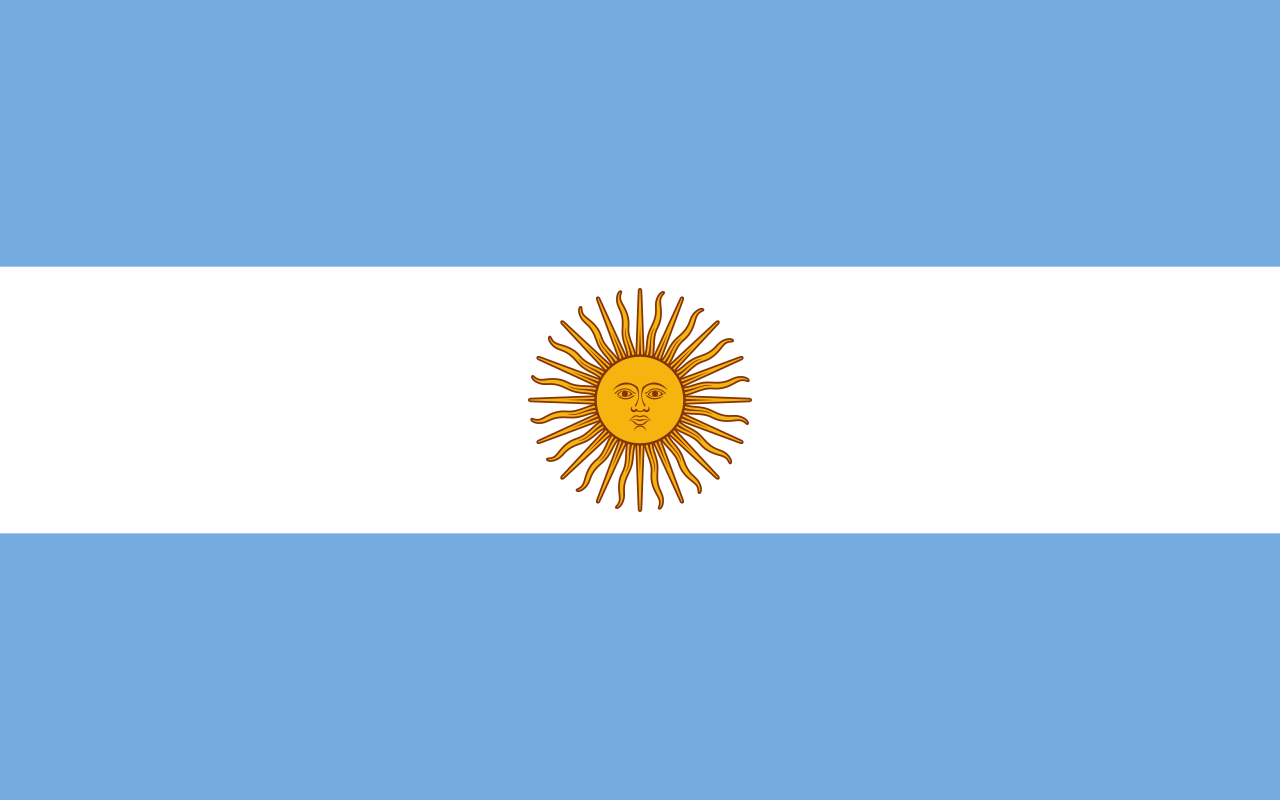
Argentina – Jungle Troops (Brigada de Monte XII "General Manuel Obligado")[87]
^Bell, Raymond E. (January 1966). "Caps and Unit Pride". Army. 16 (1). Association of the United States Army: 84. Retrieved 12 May 2021.
^Forty, George. A Pictorial History of the Royal Tank Regiment, Halsgrove Publishing 1988, ISBN 978-1-84114-124-4
^Krawczyk, Wade (1999). Army Panzer Uniforms in Colour Photographs: No.13. Marlborough, Wiltshire: The Crowood Press Ltd. p. 5. ISBN 978-1861263032.
^Skinner, Rebecca (2010). British Paratrooper 1940–45. Osprey Publishing. p. 6. ISBN 978-1472805126.
^Bull, Stephen (2010). Commando Tactics: The Second World War. Pen & Sword Military. p. 98. ISBN 978-1848840744.
^"A Short History of the Use of Berets in the U.S. Army". Archived from the original on 24 June 2001.
^Pictures of the Argentine Armed Forces http://www.taringa.net/comunidades/naiem/7914799/Fuerzas-Especiales-Argentinas.html
^Pictures of the Argentine Armed Forces http://www.taringa.net/posts/imagenes/17507569/Cazadores-del-Ejercito-Argentino.html
^"Army Dress Manual Chapter 3 - Items of Dress, Embellishments and Accoutrements" (PDF). Australian Army. Retrieved 29 May 2020.
^"Uniform instructions for the Royal Australian Navy" (PDF). Royal Australian Navy. 2019. Retrieved 29 May 2020.
^ a b"Air Force Vol.55, No.12" (PDF). Royal Australian Air Force. 4 July 2013. Retrieved 29 May 2020.
^"Air Force Vol.55, No.13" (PDF). Royal Australian Air Force. 18 July 2013. Retrieved 29 May 2020.
^S.A.P, El Mercurio (8 March 2013). "Militares bolivianos reciben equipo satelital para operar en límite con Chile - Emol.com". Emol.
^ a bGovernment of Canada, National Defence (2019-04-15). "Article | Army returns to dark blue or khaki berets for Foot Guards and technical corps". www.army-armee.forces.gc.ca. Retrieved 2019-04-24.
^"PLA Caps and decorations". Archived from the original on May 18, 2011.
^ a b c d"TITULO - Historia :: Revista Bohemia". bohemia.cu.
^ a b c"WordPress › Error". ventanadecuba2.bloguea.cu.
^ a b c"40 imágenes aéreas y terrestres de este 2 de enero". www.juventudrebelde.cu.
^"Aniversario de Tropas de Prevención - Sitio Web de la defensa de la República de Cuba". www.cubadefensa.cu.
^"La pertinencia de prevenir". www.granma.cu.
^"Cuba en Marcha y Desfile Militar en la Plaza de la Revolución (+ Video e Infografía) | Cubadebate". Cubadebate.cu. Retrieved 2019-06-18.
^"Edict about military uniforms (in Czech)". Archived from the original on December 19, 2009.
^"Legionářské stejnokroje v jedné řadě". Vojenský historický ústav. Retrieved 8 April 2024.
^"Nové khaki barety pro pozemní síly". Agentura Logistiky. Retrieved 8 April 2024.
^"Československý baret pro výsadkáře, 80. léta". Vojenský historický ústav. Retrieved 8 April 2024.
^"Armáda mění barvu baretů. Zelenou střídá khaki, odkazuje na tradice". iDNES.cz (in Czech). 2023-01-12. Retrieved 2023-03-17.
^Bager, Susanne Bach (April 2014). "Blå er det nye sort". Forsvarsavisen (in Danish). 3 (3): 16–17. Retrieved 15 March 2020.
^"Gyldendal's Encyclopedia" (in Danish). Retrieved October 31, 2014.
^"Nye myndigheder, nye baretmærker og farver". Forsvaret (in Danish). Archived from the original on 2015-11-17. Retrieved 2015-10-12.
^Coune, Frederic (25 June 2012). Les Coiffures Militaires Francaises 1870-2000. Histoire et Collections. p. 74. ISBN 978-2-35250-241-8.
^Général Voyron, Rapport sur l'Expédition de Chine. 1900–1901, Paris, 1902, p. 99.
^Gaujac, Paul (2012). Officiers et soldats de l'Armee francaise 1943–1956. Histoire & Collections. p. 89. ISBN 9-782352-501954.
^"Mengenal Baret Pada TNI | Website Resmi Kodam XVII Cenderawasih Papua". Archived from the original on 2018-04-02. Retrieved 2018-04-30.
^ a b c dJenis Jenis Baret TNI, retrieved 2022-04-22
^ a b c dMedia, Indo Mitra (2020-03-07). "Warna Warna Baret Pada TNI-AD ini Detailnya..?". Indo Mitra Media (in Indonesian). Retrieved 2022-04-03.
^Pertahanan Strategis, Lembaga Kajian (14 November 2022). "Komandan Pusat Penerbangan Angkatan Darat (Danpuspenerbad), Mayjen Dwi Wahyu Winarto meresmikan penggunaan baret merah marun khas Penerbad". Facebook (in Indonesian). Retrieved 2022-11-16.
^"Peraturan Kapolri Nomor 06 Tahun 2018 tentang Pakaian Dinas Pegawai Negeri Pada Polri" (in Indonesian). Retrieved 2022-08-29.
^@EMADmde (18 December 2014). "El Mando Conjunto de Ciberdefensa estrena prenda de cabeza. Así es la nueva boina de los #cibersoldados" (Tweet) – via Twitter.
^ https://vicentetoledo.es/sites/default/files/1949_compa%C3%B1%C3%ADa_piqueros__jefe_estado_6%C2%AA_cia.pdf. {{cite web}}: Missing or empty |title= (help)
^Laestadius, Patrik, ed. (2015). Reglemente: uniformsbestämmelser 2015 : Unibest FM 2015 (PDF) (in Swedish). Stockholm: Swedish Armed Forces. pp. 117, 134, 178–179, 307, 429. SELIBR 19513428. Archived from the original (PDF) on 22 January 2019.
^Laestadius, Patrik, ed. (2010). INSTRUKTION FÖR FÖRSVARSMAKTEN - UNIFORMSBESTÄMMELSER 2009: KAPITEL 8 AV 8 TJÄNSTETECKEN (PDF) (in Swedish). Stockholm: Swedish Armed Forces. p. 99. M7739-350014. Archived from the original (PDF) on 5 December 2011.
^Kommunikation Verteidigung (2009). Schweizer Armee. p. 356. ISBN 978-3-7193-1515-3.
^"У російських новинах показали морську піхоту РФ у Донецьку". ua.korrespondent.net.
^{{[https://zakon.rada.gov.ua/laws/show/z1502-17#n644 Наказ МОУ №606 від 20.11.2017 ″Про затвердження Правил носіння військової форми одягу та знаків розрізнення військовослужбовцями Збройних Сил України, Державної спеціальної служби транспорту та ліцеїстами військових ліцеїв″}}
^Wafa Al Suwaidi (2015-01-05). الزي العسكري هوية اكتساب وتعزيز الطاعة [Military uniform identity acquisition and promotion of obedience]. Al-Bayan. Retrieved November 5, 2018.
^Jewell, Brian (1981), British Battledress, 1937-61, Osprey Publishing, ISBN 0-85045-387-9 (p. 22)
^Oliver, Kingsley M (1997), Through Adversity: History of the Royal Air Force Regiment, Forces & Corporate Publishing Ltd, ISBN 978-0952959700 (p. 49)
^Hallett, Edward (24 November 2014). "General Service Cap". Tales from the Supply Depot - Collecting British Empire Militaria. Retrieved 10 December 2023.
^Gordon, David. Uniforms of the World War II Tommy (Pictorial Histories Publishing Company, Missoula, MT, 2005). ISBN 1-57510-122-X
^Hallett, Edward (26 February 2016). "Post War Blue Beret". Tales from the Supply Depot - Collecting British Empire Militaria. Retrieved 10 December 2023.
^"Yorkshire Gunners honoured for Service in Iraq and Afghanistan". Ministry of Defence. Archived from the original on 2012-09-29. Earlier in the day, in what marks a historic change in the history of one of the Batteries from the Regiment - 4/73 (Sphinx) Battery, the traditional dark blue beret of the Royal Artillery was replaced with a khaki-coloured beret. The change came about as a result of the Battery working closely, in times of war, with the Honourable Artillery Company
^"Request for a copy of any Army Dress Committee notes that have been issued since the 359th meeting" (PDF). Retrieved 2023-09-18.
^"Dress Regulations: Chapter 40" (PDF). Royal Navy. Retrieved 21 March 2017.
^"BBC website on British headdress".
^"Yorkshire Gunners honoured for Service in Iraq and Afghanistan". Ministry of Defence.
^"AUTHORISED HEADDRESS". Archived from the original on 2008-05-29. Retrieved 2009-12-31.
^Powers, Rod (2019-01-29). "Army And Air Force Beret Use - Uniform Headgear". Usmilitary.about.com. Archived from the original on 2011-08-10. Retrieved 2019-06-18.
^Stanton, Shelby (1994). US Army Uniforms of the Cold War 1948–1973. Stackpole Books. p. 223.
^Lopez, C. Todd (June 15, 2011). "ACU changes make Velcro optional, patrol cap default headgear". United States Army. Retrieved February 27, 2017.
^Cadet News: Uniform Dos and Don’ts Archived 2020-10-17 at the Wayback Machine, Official website of the US Army Junior ROTC, last accessed 23 December 2020
^ a b cAuthorized Air Force JRTOC Badges and Insignia; Union County Public Schools, Monroe, NC; last accessed 23 December 2020
^Por redacción NotiTotal · noviembre 27, 2016 (27 November 2016). "Crean nuevo grupo de Fuerzas Especiales para proteger espacios aéreos". NotiTotal. Retrieved 2019-06-18.{{cite web}}: CS1 maint: numeric names: authors list (link)
^"Aviación Militar Bolivariana se fortalece con la creación de un nuevo grupo de Fuerzas Especiales No 20 - MippCI". Archived from the original on 2018-07-26. Retrieved 2018-07-26.
^"UN police into Darfur refugee camp". sudantribune.com. Abou Shouk. AP. 29 January 2008. Archived from the original on 31 July 2011. Retrieved 5 March 2021.
^"Hybrid force for Darfur set to deploy on 31 December – UN". UN News. 28 December 2007.
^"International assistance force for Mali transformed into UN peacekeeping mission". news.un.org. 1 July 2013. Retrieved 5 March 2021.
^The Australian Army in World War II - Page 57 Mark Johnson ISBN 1472805224
^"Uniform & Kit issued to the AIF During WW2". www.medalsgonemissing.com.
^http://www.austcdoassocvic.com/history1.htm [permanent dead link]
^The other Cazadores de Monte brigades use Dark Green berets
 Hispanopedia Wiki


.jpg/1280px-Afghan_Generals_Honor_Newly-Graduated_Commandos_(4904080701).jpg)


.jpg/1280px-Bangladesh_Army._(30840401884).jpg)

.jpg/1280px-Ministro_da_Defesa_visita_Comando_de_Opera%C3%A7%C3%B5es_Especiais_do_ex%C3%A9rcito_em_goi%C3%A2nia-GO_(45753860441).jpg)


.jpg/1280px-Miembros_del_Ej%C3%A9rcito,_visitaron_la_Obra_del_Complejo_Legislativo_(9576536219).jpg)


_(cropped).jpg/1280px-Maj._Mohit_Sharma_(1_Para_SF)_(cropped).jpg)


.jpg/1280px-Iranian_green_beret_commandos_(2).jpg)


.jpg/1280px-Minister_(28340309721).jpg)


.jpg/1280px-Desfile_Militar_Conmemorativo_del_CCV_Aniversario_del_Inicio_de_la_Independencia_de_M%C3%A9xico._(21286968438).jpg)

.jpg/1280px-US_and_Mozambique_boarding_parties_train_together_(32625601616).jpg)

.jpg/1280px-Veteranendag_2014_(14533944835).jpg)

_(2).jpg/1280px-Get_out_of_our_way_(15640843399)_(2).jpg)


 Army black beret
 Army Special Operations Troops (Rangers) moss/dry green beret
 Army Paratroopers green beret
 Navy Marines dark blue beret
 Air Force Police light blue beret
.jpg/1280px-thumbnail.jpg)
_Beret.jpg/1280px-Portuguese_Army_Special_Operations_(_Ranger_)_Beret.jpg)


_during_a_Raven_UAV_familiarization_flight_at_the_Romanian_Land_Forces_facility_in_Buzau,_Romania,_June_2,_2011_110602-M-GN320-005.jpg/1280px-thumbnail.jpg)

 Russian Paratroopers 106th VDD
 Olive and Red beret wearing National Guardsman on the Day of Remembrance
 National Guard troops wearing maroon berets in the 2018 Moscow Victory Day Parade
 EMERCOM troops marching in the 2018 Moscow Victory Day Parade.

.jpg/1280px-Saudi_security_forces_on_parade_-_Flickr_-_Al_Jazeera_English_(15).jpg)
.jpg/1280px-Military_Parade_Belgrade_2014_-_Serbian_Soldiers_with_Russian_Knights_-_The_Swifts_(15816841463).jpg)


.jpg/1280px-NGU_vs_COVID19_0036_(49756527387).jpg)


.jpg/1280px-Lt_Gen_Martin_Bricknell_(cropped).jpg)

.jpg/1280px-Lord_Mayor's_Show,_London_2006_(295292714).jpg)
.jpg/1280px-120221-A-YI377-128_(6963410303).jpg)
.jpg/1280px-RAF_Reservist_MOD_45156514_(Beret_crop).jpg)


.jpg/1280px-2015_04_18_AU_UN_Joint_Benchimarking_Team-2_(17198100671).jpg)


_-_1946-03-12_-_Casarano.jpg/1280px-Polish_II_Corps_(21a)_-_1946-03-12_-_Casarano.jpg)
 Argentina – Jungle Troops (Brigada de Monte XII "General Manuel Obligado")[87]
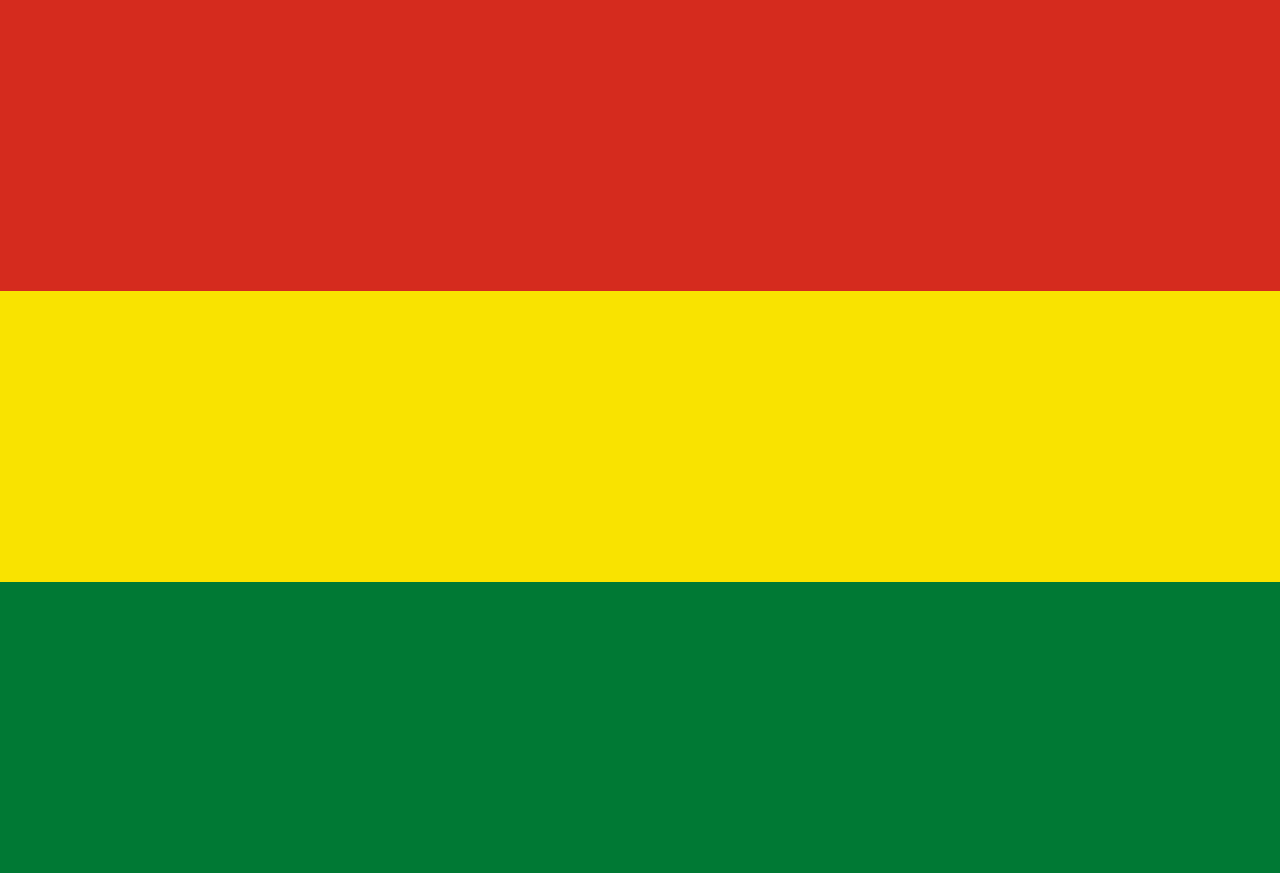
 Bolivia – Special Forces "Bolivian Condors"
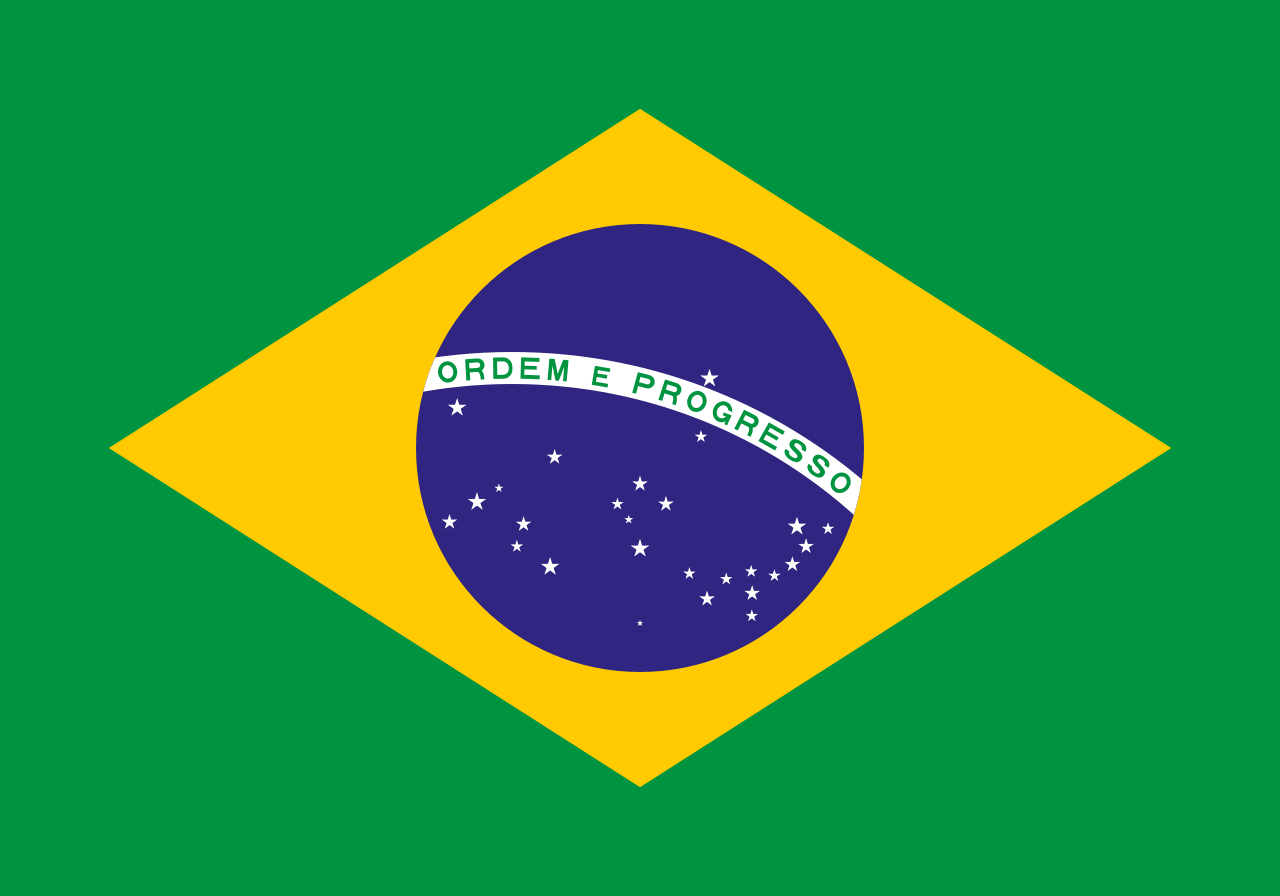
 Brazil – Jungle Troops
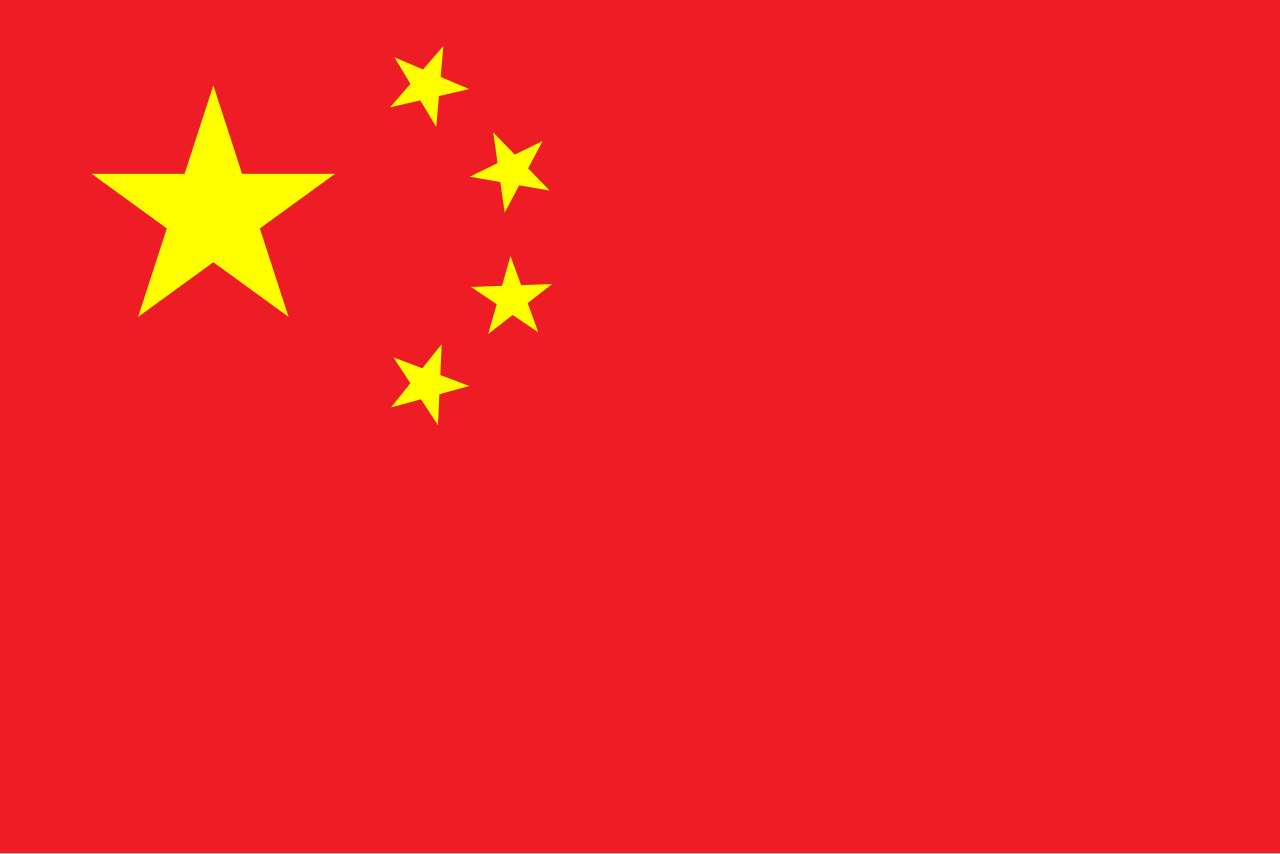
 China – During the 80s, camo berets were issued to some of the recon forces of PLA. It has no cap badge on it.
 Denmark – Naval Infantry, Armoured forces of Bornholm (Bornholms Værn's Marineinfantery) Disbanded
 Ecuador – IWIA (indigenous tribal members unit) forces
 Israel – Kfir Brigade (Urban Combat)
 Paraguay – Special Naval Forces
 Panama – 7th Infantry Company "Macho de Monte"; Comando Operacional de Fuerzas Expeciales (Cadre)
 Philippines – Philippine Air Force pararescue
 Portugal – "Flechas" and Guinea 3rd Commando Company both wore vertical lizard pattern.
 South Africa – 32 Buffalo Battalion, 61 Mechanised Battalion Group and the Special Task Force
 South Korea – Army armoured units
 Thailand – Royal Thai Marine Corps and Navy SEALs