 Hispanopedia Wiki
Kentucky ( EE . UU .: / kənˈtʌki / Kentucky kən-TUK-ee,UK:/ kɛn- /ken-),[5]oficialmente laMancomunidad de Kentucky,[c]es unestadoen laregiónsuresteEstados Unidos. Limita con Illinois ,IndianayOhioalnorte,Virginia Occidentalal noreste,Virginiaal este,Tennesseeal sur yMisurial oeste. Su frontera norte está definida por elrío Ohio. Su capital esFrankforty su ciudad más grande esLouisville. En 2020, la población del estado era de aproximadamente 4,5 millones.[2]
Anteriormente parte de Virginia, Kentucky fue admitido en la Unión como el decimoquinto estado el 1 de junio de 1792. [6] Se lo conoce como el "Estado del Bluegrass" en referencia al bluegrass de Kentucky , una especie de pasto introducido por los colonos europeos que ha sustentado durante mucho tiempo la industria de caballos pura sangre del estado . [7]
El suelo fértil en las partes central y occidental del estado condujo al desarrollo de grandes plantaciones de tabaco similares a las de Virginia y Carolina del Norte , que utilizaban mano de obra esclava antes de la aprobación de la Decimotercera Enmienda . Kentucky ocupa el quinto lugar a nivel nacional en cría de cabras, el octavo en producción de ganado vacuno , [8] y el decimocuarto en producción de maíz. [9] Si bien Kentucky ha sido un centro de larga data para la industria del tabaco, su economía se ha diversificado en sectores no agrícolas que incluyen la fabricación de automóviles, la producción de energía y la medicina. [10] Kentucky ocupa el cuarto lugar entre los estados de EE. UU. en el número de automóviles y camiones ensamblados. [11] Es uno de varios estados considerados parte de Upland South .
El estado alberga el sistema de cuevas más largo del mundo conocido en el Parque Nacional Mammoth Cave , la mayor longitud de vías fluviales y arroyos navegables en los Estados Unidos continentales y los dos lagos artificiales más grandes del país al este del río Misisipi . Los aspectos culturales de Kentucky incluyen las carreras de caballos , el bourbon , el aguardiente , la minería de carbón , el parque estatal My Old Kentucky Home , la fabricación de automóviles, el tabaco, la cocina sureña , la barbacoa , la música bluegrass , el baloncesto universitario , los bates de béisbol Louisville Slugger y Kentucky Fried Chicken .
Etimología
Antes de 1769, el condado de Botetourt y los condados sucesores de la colonia de Virginia , cuya extensión geográfica se extendía al sur de los ríos Ohio y Allegheny más allá de los montes Apalaches , eran conocidos por los estadounidenses de origen europeo como el territorio de Kentucky (o Kentucke) . Su nombre se debe al río Kentucky , un afluente del Ohio. [12]
La etimología precisa del nombre es incierta. [13] Una teoría ve la palabra basada en un nombre iroqués que significa "(en) el prado" o "(en) la pradera" [14] [15] (cf. Mohawk kenhtà:ke , Séneca gëdá'geh ( fonémico /kɛ̃taʔkɛh/ ), "en el campo"). [16] Otra teoría sugiere una derivación del término Kenta Aki , que podría haber venido de una lengua algonquina , en particular de Shawnee . La etimología popular traduce esto como "Tierra de nuestros padres". La aproximación más cercana en otra lengua algonquina, el ojibwa , se traduce como "Tierra de nuestros suegros", lo que hace que una traducción al inglés más justa sea "La tierra de aquellos que se convirtieron en nuestros padres". [17] En cualquier caso, la palabra aki significa "tierra" en la mayoría de las lenguas algonquinas.
Historia
Asentamiento de nativos americanos
La primera evidencia arqueológica de ocupación humana en Kentucky data de aproximadamente el año 9500 a. C. y se trata de la cultura Clovis, primitivos cazadores-recolectores con herramientas de piedra. Alrededor del año 1800 a. C., comenzó una transición gradual de una economía de cazadores-recolectores a una economía agrícola. Alrededor del año 900 d. C., una cultura misisipi se arraigó en el oeste y centro de Kentucky y una cultura de Fort Ancient apareció en el este de Kentucky. Si bien las dos tenían muchas similitudes, los distintivos montículos ceremoniales de tierra construidos en los centros de la primera no eran parte de la cultura de la segunda. Los asentamientos de Fort Ancient dependían en gran medida del maíz, los frijoles y la calabaza, y practicaban un sistema de agricultura que evitaba la degradación ecológica mediante la rotación de cultivos, la quema de secciones de bosque para crear un hábitat ideal para la caza salvaje, la reubicación de las aldeas cada 10 a 30 años y el cambio continuo de la ubicación de los campos para mantener las parcelas de tierra en varias etapas de sucesión ecológica . [18]
Alrededor del siglo X, la variedad de maíz de los pueblos nativos de Kentucky se volvió altamente productiva, suplantando al Complejo Agrícola Oriental y reemplazándolo con una agricultura basada en el maíz en la era misisipi . A partir del siglo XVI, lo que se convirtió en Kentucky era el hogar de tribus de diversos grupos lingüísticos. Los kispoko , una tribu de habla algonquina , controlaban gran parte del interior del estado. [19]
Los exploradores franceses del siglo XVII documentaron numerosas tribus que vivían en Kentucky hasta las Guerras de los Castores en la década de 1670; sin embargo, cuando los exploradores y colonos europeos comenzaron a ingresar a Kentucky en mayor número a mediados del siglo XVIII, no había asentamientos importantes de nativos americanos en la región.
Los chickasaw tenían territorio hasta la confluencia de los ríos Mississippi y Ohio. Durante un período conocido como las Guerras de los Castores (1640-1680), otra tribu algonquina llamada Maumee o Mascouten fue expulsada del sur de Michigan. [20] La gran mayoría de ellos se trasladó a Kentucky, empujando a los Kispoko hacia el este y estalló la guerra con los Tutelo de Carolina del Norte y Virginia que los empujaron más al norte y al este. Los Maumee estaban estrechamente relacionados con los Miami de Indiana. Más tarde, los Kispoko se fusionaron con los Shawnee , que migraron desde el este y el valle del río Ohio.
Un mito persistente, perpetuado en muchas obras populares y académicas, alega que los nativos americanos nunca vivieron permanentemente en Kentucky, sino que lo usaron solo como un "terreno de caza". [21] [22] Según los primeros historiadores de Kentucky, los primeros colonos europeos encontraron amplia evidencia de asentamientos permanentes y avanzados, incluidos numerosos túmulos funerarios, artefactos de cobre y piedra , y lo que los primeros historiadores describen como "fortificaciones": grandes sitios que consisten en extensos muros que encierran las cimas planas de acantilados, riscos o montañas, construidos con piedra que se extrajo en los valles circundantes y se llevó hasta la cumbre. [23] Estos sitios y artefactos a veces se explicaban como los restos de una raza blanca "perdida", [24] o algún grupo étnico identificado de diversas formas anterior y distinto de los nativos americanos. [25] Estudios más recientes identifican a los constructores de montículos como los pueblos antiguos de Mississippi y Fort, que eran distintos de las culturas indígenas con las que se encontraron los colonos, aunque compartían el mismo origen en los grupos paleoindios que habitaron la zona durante al menos 12.000 años. [26]
A partir del siglo XVII, antes de que los grupos indígenas de Kentucky entraran en contacto directo con los europeos, los artículos de origen europeo, como las cuentas de vidrio, entraron en la región a través de rutas comerciales , y la aparición de fosas comunes sugiere que también se introdujeron enfermedades europeas. [27] En el siglo XVIII, las epidemias de enfermedades habían desestabilizado y cambiado a los grupos indígenas que habitaban Kentucky, lo que provocó que algunos se reunieran en ciudades multitribales y otros se dispersaran más lejos de la esfera de influencia europea. [28] Hacia el final de la guerra franco-india, cuando los colonos europeos comenzaron a reclamar partes de Bluegrass, los nativos americanos abandonaron sus aldeas más grandes y permanentes al sur del río Ohio y continuaron manteniendo solo asentamientos pequeños o transitorios. Esta agitación probablemente llevó a los colonos a creer que Kentucky era un coto de caza disputado por múltiples tribus pero no habitado de forma permanente, cuando en realidad había sido abandonado recientemente debido a la agitación social y política. [29]
Primeras exploraciones: el descubrimiento de Kentucky
Los exploradores europeos llegaron a Kentucky posiblemente en 1671. Aunque los exploradores franceses seguramente espiaron Kentucky durante las expediciones al Mississippi, no hay evidencia de que los exploradores franceses o españoles hayan puesto un pie en las tierras al sur del Ohio, a pesar de las especulaciones sobre Hernando de Soto y Robert de la Salle. El terreno en aquellos días no fue inspeccionado, por lo que hay cierta incertidumbre sobre si los primeros exploradores ingleses que salieron de Virginia pusieron un pie en la tierra y en qué medida lo hicieron. Lo que confunde el asunto es que la región al sur del Ohio/Allegheny más tarde conocida como el país de Kentucke era más grande que el estado de Kentucky actual, abarcando la mayor parte de la actual Virginia Occidental y (vagamente) parte del suroeste de Pensilvania. [30] Las expediciones notables fueron Batts y Fallam en 1671, Needham y Arthur en 1673. [31] El Dr. Thomas Walker y el topógrafo Christopher Gist inspeccionaron el área ahora conocida como Kentucky en 1750 y 1751.
Asentamiento europeo: el Tratado de Fort Stanwix de 1768
A medida que más colonos entraron en la zona, estalló una guerra con los nativos americanos por sus zonas de caza tradicionales. [32]
El 16 de junio de 1774, James Harrod fundó Harrod's Town (actual Harrodsburg). El asentamiento fue abandonado durante el período de conflicto de la Guerra de Dunmore y se reasentó en marzo de 1775, convirtiéndose en el primer asentamiento europeo permanente en Kentucky. A los pocos meses le siguieron Boone's Station, Logan's Fort y Lexington antes de que Kentucky se organizara.
Este período fue la época de las legendarias expediciones de Daniel Boone, que comenzaron en 1767 a través de Cumberland Gap y bajaron por el río Kentucky para llegar al corazón del bluegrass de Kentucky.
Aunque los cheroquis no se asentaron en Kentucky, cazaron allí. Renunciaron a sus derechos de caza allí en un contrato privado extralegal con el especulador Richard Henderson llamado Tratado de Sycamore Shoals en 1775. [33]
El condado de Kentucky y las guerras entre los cheroquis y los estadounidenses
El 31 de diciembre de 1776, mediante una ley de la Asamblea General de Virginia , la parte del condado de Fincastle al oeste del río Big Sandy (incluido el actual afluente Tug Fork ) que termina en la frontera con Carolina del Norte (hoy Tennessee) y se extiende hasta el río Misisipi, anteriormente la mayor parte de lo que se conocía como el territorio de Kentucky (o Kentucke) , se dividió en su propio condado de Kentucky . Harrod's Town (Oldtown, como se conocía en ese momento) fue nombrada sede del condado.
Un informe del gobierno de EE. UU. de 1790 afirma que 1.500 colonos de Kentucky habían sido asesinados por nativos americanos desde el final de la Guerra de la Independencia . [34]
Categoría de estado

El condado se subdividió en los condados de Jefferson , Lincoln y Fayette en 1780, pero continuó siendo administrado como el Distrito de Kentucky incluso cuando se dividieron los nuevos condados.
En varias ocasiones, los residentes de la región solicitaron a la Asamblea General y al Congreso de la Confederación la separación de Virginia y la constitución de ese estado . Entre 1784 y 1792 se celebraron diez convenciones constitucionales en Danville . Una petición, que contaba con el consentimiento de Virginia, llegó al Congreso de la Confederación a principios de julio de 1788. Desafortunadamente, su consideración se produjo un día después de que se conociera la importantísima novena ratificación de la Constitución propuesta por parte de New Hampshire , estableciéndola así como el nuevo marco de gobierno para los Estados Unidos. A la luz de este desarrollo, el Congreso pensó que sería "desaconsejable" admitir a Kentucky en la Unión, ya que podía hacerlo "sólo en virtud de los Artículos de la Confederación", pero no "en virtud de la Constitución", y por lo tanto se negó a tomar medidas. [35]
El 18 de diciembre de 1789, Virginia volvió a dar su consentimiento a la estadidad de Kentucky. El Congreso de los Estados Unidos dio su aprobación el 4 de febrero de 1791. [36] (Esto ocurrió dos semanas antes de que el Congreso aprobara la petición de Vermont para la estadidad. [37] ) Kentucky se convirtió oficialmente en el decimoquinto estado de la Unión el 1 de junio de 1792. Isaac Shelby , un veterano militar de Virginia, fue elegido su primer gobernador. [38]
Economía de plantación postcolonial

La región central de Bluegrass y la parte occidental del estado eran las áreas con más propietarios de esclavos . Los plantadores cultivaban tabaco y cáñamo en plantaciones con el uso de mano de obra esclava, y eran conocidos por su ganado de calidad . Durante el siglo XIX, los propietarios de esclavos de Kentucky comenzaron a vender esclavos innecesarios al sur profundo , y Louisville se convirtió en un importante mercado de esclavos y puerto de salida para los esclavos que se transportaban por el río Ohio.
La Guerra Civil
Kentucky fue un estado esclavista muy dividido durante la Guerra Civil estadounidense . Aunque el estado tenía gobiernos estatales en pugna entre la Unión y la Confederación, Kentucky nunca fue un componente oficial de la Confederación. Kentucky fue uno de los estados fronterizos del sur durante la guerra y permaneció neutral dentro de la Unión . [39] A pesar de esto, representantes de 68 de los 110 condados se reunieron en Russellville y se autodenominaron la "Convención del Pueblo de Kentucky" y aprobaron una Ordenanza de Secesión el 20 de noviembre de 1861. [40] Establecieron un gobierno confederado de Kentucky con su capital en Bowling Green , y Kentucky fue admitido oficialmente en la Confederación el 10 de diciembre de 1861, como el decimotercer estado confederado con pleno reconocimiento en Richmond. [41] El gobierno en la sombra confederado nunca fue elegido popularmente en todo el estado, aunque se enviaron 116 delegados en representación de 68 condados de Kentucky que en ese momento constituían un poco más de la mitad del territorio de la Commonwealth a la Convención de Russellville en 1861, y fueron ocupados y gobernados por la Confederación en algún momento durante la guerra, y Kentucky tuvo una representación plena dentro del gobierno confederado. Aunque las fuerzas confederadas controlaron brevemente Frankfort, fueron expulsadas por las fuerzas de la Unión antes de que se pudiera instalar un gobierno confederado en la capital del estado. Después de la expulsión de las fuerzas confederadas después de la batalla de Perryville, este gobierno operó en el exilio. Aunque existió durante toda la guerra, el gobierno provisional de Kentucky solo tuvo autoridad de gobierno en áreas de Kentucky bajo control directo de la Confederación y tuvo muy poco efecto en los eventos en la Commonwealth o en la guerra una vez que fueron expulsados del estado.
Kentucky permaneció oficialmente "neutral" durante toda la guerra [ cita requerida ] debido a las simpatías unionistas del sur de la mayoría de los ciudadanos de la Commonwealth que estaban divididos entre la lucha de los estados hermanos del sur de Kentucky en los Estados Confederados de América y una lealtad continua a la causa unionista que prevalecía en otras áreas del sur, como en el este de Tennessee, Virginia Occidental, el oeste de Carolina del Norte y otros. A pesar de esto, algunos habitantes de Kentucky del siglo XXI celebran el Día del Recuerdo Confederado en el cumpleaños del líder confederado Jefferson Davis , el 3 de junio, y participan en recreaciones de batallas confederadas. [42] [43] Tanto Davis como el presidente estadounidense Abraham Lincoln nacieron en Kentucky. John C. Breckinridge , el decimocuarto y más joven vicepresidente de la historia, nació en Lexington, Kentucky, en Cabell's Dale Farm. Breckenridge fue expulsado del Senado de los Estados Unidos por su apoyo a la Confederación.
Henry W. Grady, editor de la Constitución de Atlanta, acuñó el término Nuevo Sur en 1874, instando a la transformación de una economía agraria a una industrial moderna.
La reconstrucción y laNuevo Sur
El 30 de enero de 1900, el gobernador William Goebel , flanqueado por dos guardaespaldas, fue herido mortalmente por un asesino mientras caminaba hacia el Capitolio estatal en el centro de Frankfort. Goebel estaba participando en las elecciones para gobernador de Kentucky de 1899 , que inicialmente se creyó que había ganado William S. Taylor . Durante varios meses, JCW Beckham , compañero de fórmula de Goebel, y Taylor lucharon por quién era el gobernador legal hasta que la Corte Suprema de los Estados Unidos falló en mayo a favor de Beckham. Después de huir a Indiana , Taylor fue acusado de co-conspirador en el asesinato de Goebel . Goebel es el único gobernador de un estado de EE. UU. que ha sido asesinado mientras estaba en el cargo. [44]
Las Guerras del Tabaco de Black Patch , una acción de justicieros, ocurrieron en el oeste de Kentucky a principios del siglo XX. Como resultado del monopolio de la industria tabacalera , los agricultores de tabaco de la zona se vieron obligados a vender sus cosechas a precios demasiado bajos. Muchos agricultores y activistas locales se unieron para negarse a vender sus cosechas a las principales empresas tabacaleras.
En el centro de Guthrie se celebró una reunión de la Asociación , [45] donde se formó un ala de vigilantes de los "Jinetes Nocturnos". Los jinetes aterrorizaban a los agricultores que vendían su tabaco a los bajos precios exigidos por las corporaciones tabacaleras. Quemaron varios almacenes de tabaco en toda la zona, extendiéndose hasta Hopkinsville y Princeton . En el último período de su operación, se sabía que atacaban físicamente a los agricultores que rompían el boicot. El gobernador Augustus E. Willson declaró la ley marcial y desplegó la Guardia Nacional de Kentucky para poner fin a las guerras.
Geografía
.png/1280px-Map_of_Kentucky_NA_(cropped).png)
Kentucky está situado en las tierras altas del sur . [46] [47] Una parte importante del este de Kentucky es parte de los Apalaches .
Kentucky limita con siete estados, del Medio Oeste y del Sureste . Virginia Occidental se encuentra al noreste, Virginia al este, Tennessee al sur, Missouri al oeste, Illinois al noroeste e Indiana y Ohio al norte. Solo Missouri y Tennessee, que limitan con ocho estados, tienen más contacto.
La frontera norte de Kentucky está formada por la orilla norte del río Ohio [48] y su frontera occidental por el río Misisipi ; sin embargo, la frontera oficial se basa en los cursos de los ríos tal como existían cuando Kentucky se convirtió en estado en 1792. Por ejemplo, los viajeros en dirección norte por la US 41 desde Henderson, después de cruzar el río Ohio, estarán en Kentucky durante aproximadamente dos millas (3 km). Ellis Park , una pista de carreras de pura sangre, se encuentra en esta pequeña parte de Kentucky. Waterworks Road es parte de la única frontera terrestre entre Indiana y Kentucky. [49]
Kentucky tiene una parte no contigua conocida como Kentucky Bend , en el extremo oeste del estado. Existe como un enclave rodeado completamente por Missouri y Tennessee , y está incluido en los límites del condado de Fulton . El acceso por carretera a esta pequeña parte de Kentucky en el río Mississippi (poblada por 18 personas en 2010 [update]) [50] requiere un viaje a través de Tennessee.
El epicentro de los terremotos de New Madrid de 1811-12 estuvo cerca de esta zona, lo que provocó que el río Misisipi fluyera en sentido inverso en algunos lugares. Aunque la serie de terremotos cambió la zona geológicamente y afectó al pequeño número de habitantes de la zona en ese momento, el Kentucky Bend es el resultado de un error de medición, no del terremoto de New Madrid. [51]
Regiones

Kentucky se puede dividir en cinco regiones principales: la meseta de Cumberland en el este, que está totalmente sustentada por carbón y constituye el yacimiento de carbón oriental; la región de Bluegrass en el centro-norte , donde se encuentran las principales ciudades y la capital; la meseta de Pennyroyal en el centro-sur y el oeste (una meseta de la era misisipiense que se divide en subregiones oriental, central y occidental, esta última conocida como Pennyrile); el yacimiento de carbón occidental ; y la lejana Jackson Purchase , la extensión más septentrional de la ensenada misisipiense, al oeste y al sur del río Tennessee. [52]
La región de Bluegrass se divide comúnmente en dos regiones, la Inner Bluegrass que rodea 90 millas (140 km) alrededor de Lexington , y la Outer Bluegrass que contiene la mayor parte de la parte norte del estado, por encima de Knobs . Gran parte de la zona exterior de Bluegrass se encuentra en la subregión de Eden Shale Hills , formada por colinas cortas, empinadas y muy estrechas. La llanura aluvial del río Ohio es otra región geológica, al igual que el área al sur y al este de Pine Mountain, parte del Cinturón de crestas y valles de los Apalaches. [53]
Clima

La mayor parte de Kentucky tiene un clima subtropical húmedo (Köppen: Cfa ), con pequeñas áreas de tierras altas de los Apalaches del sureste del estado que tienen un clima oceánico ( Cfb ). [54] Las temperaturas en Kentucky generalmente varían desde máximas diurnas de verano de 87 °F (31 °C) hasta las mínimas invernales de 23 °F (−5 °C). La precipitación promedio es de 46 pulgadas (1200 mm) al año. [55] Kentucky tiene cuatro estaciones distintas, con variaciones sustanciales en la severidad del verano y el invierno. [56] La temperatura más alta registrada del estado fue de 114 °F (46 °C) en Greensburg el 28 de julio de 1930, mientras que su temperatura más baja registrada fue de −37 °F (−38 °C) en Shelbyville el 19 de enero de 1994. El estado rara vez experimenta el frío extremo de los estados del extremo norte o el calor intenso de los estados del sur profundo ; Las temperaturas rara vez bajan de cero grados Fahrenheit o suben por encima de los 100 grados. La media de lluvia y nieve es de 45 pulgadas al año.
El clima varía notablemente dentro del estado. Las zonas del norte tienden a ser unos cinco grados más frías que las de las zonas occidentales del estado. Somerset, en la parte centro-sur, recibe diez pulgadas más de lluvia por año que Covington, al norte. Las temperaturas medias para todo el estado varían desde los 30 grados en enero hasta los 80 grados a mediados de julio. La temperatura media anual varía de 55 a 60 °F (13 a 16 °C): de 55 °F (13 °C) en el extremo norte como temperatura media anual y de 60 °F (16 °C) en el extremo suroeste. [57] [58]
En general, Kentucky tiene veranos relativamente calurosos, húmedos y lluviosos, e inviernos moderadamente fríos y lluviosos. Las temperaturas máximas medias en julio varían de 83 a 90 °F (28 a 32 °C); las temperaturas mínimas medias de julio son de 61 a 69 °F (16 a 21 °C). En enero, las temperaturas máximas medias varían de 36 a 44 °F (2 a 7 °C); las temperaturas mínimas medias varían de 19 a 26 °F (−7 a −3 °C). Las temperaturas medias varían y las regiones montañosas del norte y del extremo este tienen un promedio de cinco grados más frías durante todo el año, en comparación con las áreas relativamente más cálidas de las regiones sur y oeste del estado. Las precipitaciones varían de norte a sur, con un promedio en el norte de 38 a 40 pulgadas (970 a 1020 mm) y en el sur de 50 pulgadas (1300 mm). Los días por año bajo el punto de congelación varían desde unos sesenta días en el suroeste hasta más de cien días en el extremo norte y el extremo este. [59]
Desastres naturales
Lagos y ríos

Kentucky tiene la segunda mayor cantidad de millas de agua navegables entre los estados de EE. UU., después de Alaska . [72]
Kentucky es el único estado que tiene una frontera continua de ríos que corren a lo largo de tres de sus lados: el río Misisipi al oeste, el río Ohio al norte y el río Big Sandy y Tug Fork al este. [73] Sus principales ríos internos incluyen el río Kentucky , el río Tennessee , el río Cumberland , el río Green y el río Licking .
Aunque sólo tiene tres lagos naturales importantes, [74] Kentucky es el hogar de muchos lagos artificiales . Tiene los lagos artificiales más grandes al este del Mississippi tanto en volumen de agua ( lago Cumberland ) como en superficie ( lago Kentucky ). Las 2064 millas (3322 km) de costa del lago Kentucky, las 160 300 acres (64 900 hectáreas) de superficie de agua y los 4008 000 acres-pies (4900 millones de metros cúbicos ) de almacenamiento de inundaciones son la mayor cantidad de cualquier lago en el sistema de la Autoridad del Valle de Tennessee . [75]
Las 90.000 millas (140.000 kilómetros) de arroyos de Kentucky proporcionan uno de los sistemas fluviales más extensos y complejos del país.
Medio ambiente natural y conservación

Kentucky alberga múltiples hábitats con una gran cantidad de especies endémicas , incluidos algunos de los sistemas de cuevas más extensos del mundo. 102 especies conocidas son endémicas del estado. [76] La región de Bluegrass, que se cree que alguna vez fue un exuberante entorno de bosque abierto similar a la sabana de robles con abundantes matorrales de caña de río , una especie de bambú , fue descrita una vez por E. Lucy Braun como la que tenía la vida vegetal más "anómala" de todo el este de los Estados Unidos. [77] El medio ambiente natural de Kentucky ha sufrido mucho por las actividades humanas destructivas que comenzaron después de la colonización europea, en particular la conversión del hábitat natural en tierras de cultivo y minería de carbón .
Kentucky tiene un extenso sistema de parques, que incluye un parque nacional, dos Áreas Nacionales de Recreación, dos Parques Históricos Nacionales, dos bosques nacionales , dos Refugios Nacionales de Vida Silvestre, 45 parques estatales , 37.896 acres (153 km2 ) de bosque estatal y 82 áreas de gestión de vida silvestre .
Kentucky ha sido parte de dos de los proyectos de reintroducción de vida silvestre más exitosos en la historia de los Estados Unidos. En el invierno de 1997, el Departamento de Pesca y Recursos de Vida Silvestre de Kentucky comenzó a repoblar los condados del este del estado con alces , que habían sido extirpados de la zona durante más de 150 años. En 2009 [update], la manada había alcanzado la meta del proyecto de 10.000 animales, lo que la convirtió en la manada más grande al este del río Misisipi . [78]
El estado repobló pavos salvajes en la década de 1950, después de haber tenido, según se informó, menos de 900. Los pavos salvajes, que alguna vez estuvieron casi extintos, prosperan en todo Kentucky. [79] Los cazadores informaron de un récord de 29.006 aves capturadas durante la temporada de 23 días en la primavera de 2009. [80]
En 1991, Land Between the Lakes se asoció con el Servicio de Pesca y Vida Silvestre de Estados Unidos para el Programa de Recuperación del Lobo Rojo, un programa de cría en cautiverio. [81]
Atractivos naturales

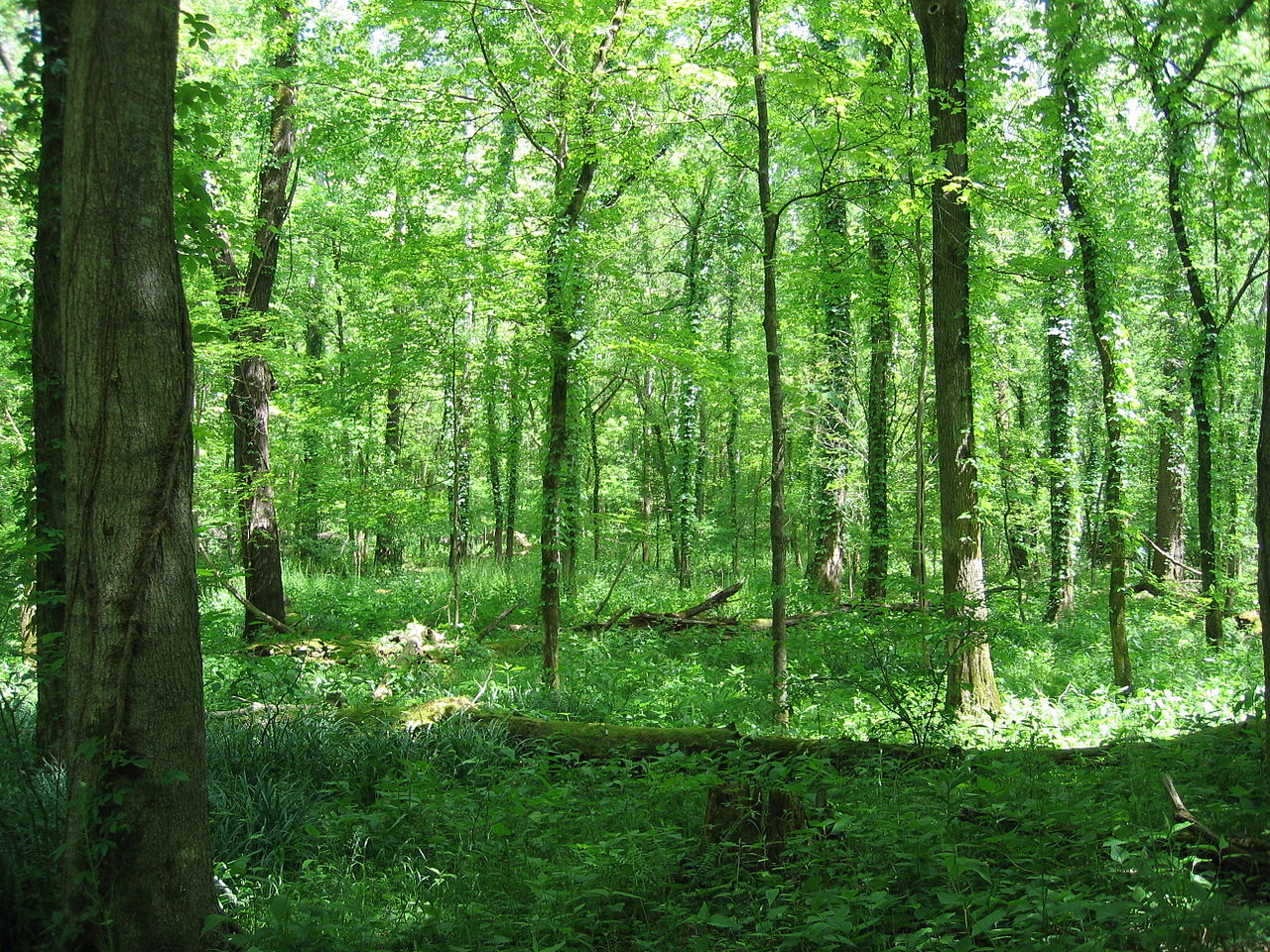
- Cumberland Gap , principal paso a través de los Montes Apalaches en la historia temprana de Estados Unidos.
- Cataratas Cumberland , el único lugar en el hemisferio occidental donde se puede ver regularmente un " arcoíris lunar ", debido al rocío de las cataratas. [82]
- Parque Nacional Mammoth Cave , que alberga el sistema de cuevas más largo conocido del mundo. [83]
- Área geológica de Red River Gorge , parte del Bosque Nacional Daniel Boone .
- Tierra entre los lagos , un área recreativa nacional administrada por el Servicio Forestal de los Estados Unidos .
- Río Nacional y Área Recreativa Big South Fork cerca de Whitley City .
- Montaña Negra , el punto más alto del estado. [84] Se extiende a lo largo de la cresta sur de la montaña Pine en el condado de Letcher, Kentucky. El punto más alto se encuentra en el condado de Harlan.
- Reserva natural estatal Bad Branch Falls , reserva natural estatal de 11 km2 (2639 acres ) en la ladera sur de Pine Mountain en el condado de Letcher . Incluye una de las mayores concentraciones de especies raras y en peligro de extinción del estado, [85] así como una cascada de 18 m (60 pies) y un río salvaje de Kentucky. [ Aclaración necesaria ]
- Jefferson Memorial Forest , ubicado en la periferia sur de Louisville , en la región de Knobs , es el bosque municipal más grande de los Estados Unidos. [86]
- Lago Cumberland , 1.255 millas (2.020 km) de costa ubicado en el centro sur de Kentucky.
- Puente Natural , ubicado en Slade, Kentucky Condado de Powell.
- Breaks Interstate Park , ubicado en el sureste del condado de Pike, Kentucky y el suroeste de Virginia . El parque Breaks es conocido comúnmente como el "Gran Cañón del Sur". [87]
- Bosque Blanton, ubicado en el condado de Harlan , el bosque antiguo más grande del estado y una de las 13 grandes extensiones restantes de bosque antiguo en el este de los EE. UU. [88]
Divisiones administrativas
Condados
Kentucky se subdivide en 120 condados , siendo el más grande el condado de Pike con 787,6 millas cuadradas (2040 km² ) , y el más poblado el condado de Jefferson (que coincide con el área gubernamental del metro de Louisville ) con 772 144 residentes en 2023. [update][ 89] [90]
El gobierno del condado, según la Constitución de Kentucky de 1891, está a cargo del Juez/Ejecutivo del Condado (antes llamado Juez del Condado), que actúa como jefe ejecutivo del condado, y de una legislatura llamada Tribunal Fiscal . A pesar del nombre inusual, el Tribunal Fiscal ya no tiene funciones judiciales .
Gobiernos de ciudades y condados consolidados
Los dos condados más poblados de Kentucky, Jefferson y Fayette, tienen sus gobiernos consolidados con los gobiernos de sus ciudades más grandes . El gobierno del condado de Louisville-Jefferson ( Louisville Metro ) y el gobierno del condado urbano de Lexington-Fayette ( Lexington Metro ) son únicos en el sentido de que sus concejos municipales y las estructuras del Tribunal Fiscal del condado se han fusionado en una sola entidad con un solo jefe ejecutivo , el alcalde metropolitano y el alcalde urbano del condado, respectivamente. Aunque los condados todavía existen como subdivisiones del estado, en referencia se utilizan los nombres Louisville y Lexington para referirse a toda el área coextensiva con las antiguas ciudades y condados. [91] [92] [93]
Ciudades principales
El área de gobierno de Metro Louisville tiene una población de 1.298.990 habitantes en 2018. Según la metodología de la Oficina del Censo de los Estados Unidos , la población de Louisville era de 623.867 habitantes. Esta última cifra es la población del denominado "equilibrio" , las partes del condado de Jefferson que no estaban incorporadas o estaban dentro de la ciudad de Louisville antes de la formación del gobierno fusionado en 2003. En 2018, el área estadística combinada (CSA) de Louisville tenía una población de 1.569.112 habitantes; incluidos 1.209.191 en Kentucky, lo que significa que más del 25% de la población del estado vive ahora en el CSA de Louisville. Desde 2000, más de un tercio del crecimiento de la población del estado se ha producido en el CSA de Louisville. Además, los 28 lugares más ricos de Kentucky se encuentran en el condado de Jefferson y siete de los 15 condados más ricos del estado se encuentran en el CSA de Louisville. [95] [ no es lo suficientemente específico para verificar ]
La segunda ciudad más grande del estado es Lexington con una población del censo de 2018 de 323,780, su metro tenía una población de 516,697 y su CSA , que incluye las áreas estadísticas de Frankfort y Richmond , con una población de 746,310. El área del norte de Kentucky , que comprende los siete condados de Kentucky en el área metropolitana de Cincinnati/norte de Kentucky , tenía una población de 447,457 en 2018. Las áreas metropolitanas de Louisville, Lexington y el norte de Kentucky tienen una población combinada de 2,402,958 a partir de 2018 [update], que es el 54% de la población total del estado en solo alrededor del 19% de la tierra del estado. Esta área a menudo se conoce como el Triángulo Dorado, ya que contiene la mayoría de la riqueza, la población, el crecimiento demográfico y el crecimiento económico del estado, es donde se encuentran la mayoría de las ciudades más grandes del estado por población. Se le conoce como el Triángulo Dorado, ya que las áreas metropolitanas de Lexington, Louisville y el norte de Kentucky/Cincinnati forman un triángulo. Las carreteras interestatales I-71, I-75 e I-64 forman un triángulo. Además, todos los condados de Kentucky que forman parte de un Área Metropolitana (MSA) o Área Metropolitana Central (CSA) tienen una población total de 2.970.694 habitantes, lo que representa el 67 % de la población del estado.
En 2017, Bowling Green tenía una población de 67 067 habitantes, lo que la convierte en la tercera ciudad más poblada del estado. El área metropolitana de Bowling Green tenía una población estimada de 174 835 habitantes; y el área estadística combinada que comparte con Glasgow tiene una población estimada de 228 743 habitantes. [update]
Las otras dos áreas urbanas de rápido crecimiento en Kentucky son el área de Bowling Green y la "Región Tri-Cities" del sureste de Kentucky, que comprende Somerset , Londres y Corbin .
Aunque sólo una ciudad de las "Tri-Cities" (Somerset) tiene actualmente más de 12.000 habitantes, la zona ha experimentado un aumento de la población y del empleo desde los años 1990. El crecimiento ha sido especialmente rápido en el condado de Laurel, que superó en tamaño a zonas como los condados de Scott y Jessamine, en los alrededores de Lexington, o los condados de Shelby y Nelson, en los alrededores de Louisville. La población de London creció significativamente en los años 2000, de 5.692 en 2000 a 7.993 en 2010. London instaló un centro de distribución de Wal-Mart en 1997, lo que trajo miles de puestos de trabajo a la comunidad.
En el noreste de Kentucky, la zona metropolitana de Ashland es un importante centro de transporte, fabricación y medicina. La producción de hierro y petróleo , así como el transporte de carbón por ferrocarril y barcaza , han sido pilares históricos de la economía de la región. Debido a una disminución en la base industrial del área, Ashland ha visto una reducción considerable en su población desde 1990; sin embargo, la población del área se ha estabilizado desde entonces con la industria de servicios médicos asumiendo un papel más importante en la economía local. El área de Ashland, incluidos los condados de Boyd y Greenup , es parte del Área Estadística Metropolitana (MSA) de Huntington-Ashland, WV-KY-OH . Según el censo de 2000, el MSA tenía una población de 288.649. Más de 21.000 de esas personas (a partir de 2010 [update]) residen dentro de los límites de la ciudad de Ashland.
El condado más grande de Kentucky por área es Pike , que contiene Pikeville y el suburbio Coal Run Village . El condado y el área circundante son la región más poblada del estado que no forma parte de un área estadística micropolitana o un área estadística metropolitana que contiene casi 200.000 personas en cinco condados: el condado de Floyd , el condado de Martin , el condado de Letcher y el vecino condado de Mingo, Virginia Occidental . El condado de Pike contiene un poco más de 68.000 personas.
Sólo tres estados de EE.UU. tienen capitales con poblaciones más pequeñas que Frankfort , en Kentucky (población 25.527): Augusta, Maine (población 18.560), Pierre, Dakota del Sur (población 13.876) y Montpelier, Vermont (población 8.035).
Demografía

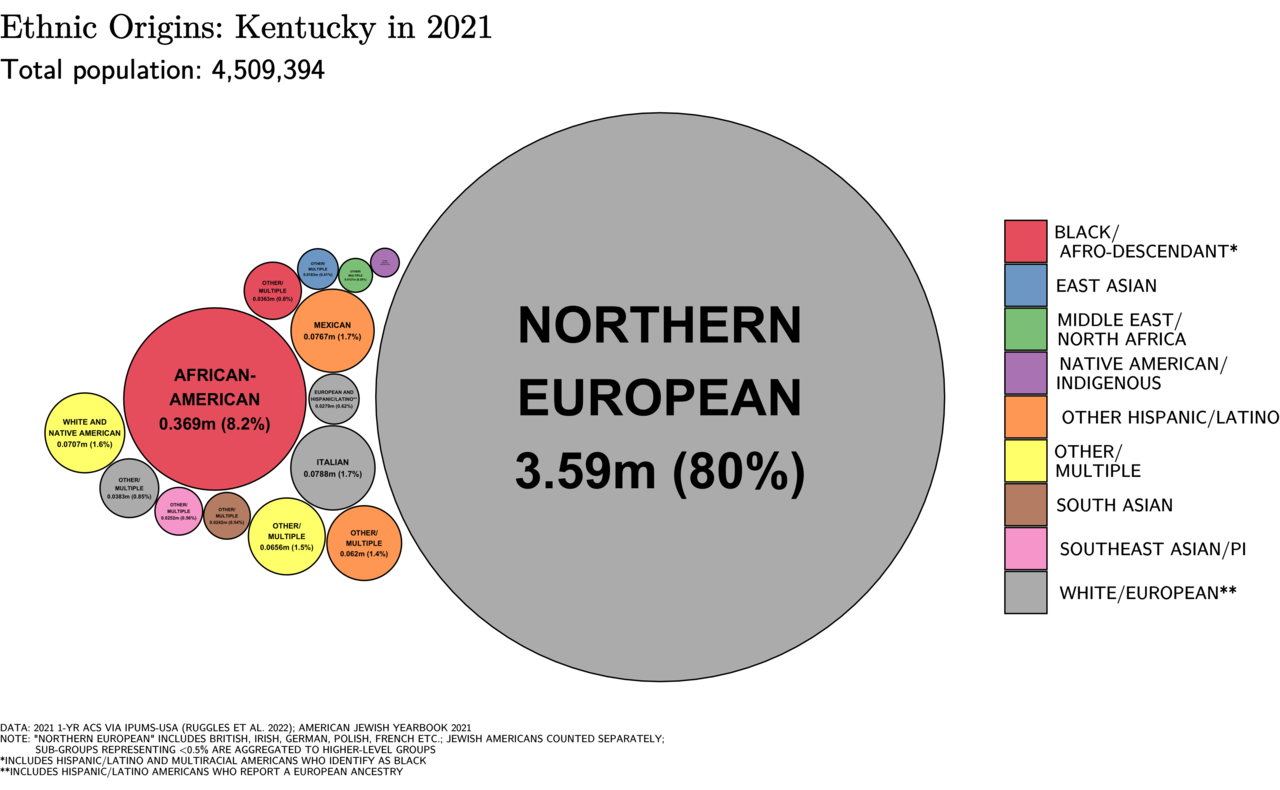
La Oficina del Censo de los Estados Unidos determinó que la población de Kentucky era de 4.505.836 en 2020, aumentando desde el censo de los Estados Unidos de 2010. [ 98]
.svg/1280px-Kentucky_Counties_by_race_(2020_census).svg.png)
Al 1 de julio de 2016, Kentucky tenía una población estimada de 4.436.974 habitantes, lo que supone un aumento de 12.363 respecto del año anterior y un aumento de 97.607, o 2,2%, desde el año 2010. Esto incluye un aumento natural desde el último censo de 73.541 personas (es decir, 346.968 nacimientos menos 273.427 muertes) y un aumento debido a la migración neta de 26.135 personas al estado. La inmigración desde fuera de los Estados Unidos resultó en un aumento neto de 40.051 personas, y la migración dentro del país produjo una disminución neta de 13.916 personas. A partir de 2015 [update], la población de Kentucky incluía alrededor de 149.016 personas nacidas en el extranjero (3,4%). En 2016, la densidad de población del estado era de 110 personas por milla cuadrada (42 personas/km² ) . [98] México , India , Cuba , China y Guatemala son los cinco principales países de origen de los inmigrantes de Kentucky. [99]
La población de Kentucky ha crecido cada década desde que se tienen registros, aunque durante la mayor parte de las décadas del siglo XX hubo una emigración neta del estado. Desde 1900, los condados rurales de Kentucky han sufrido una pérdida neta de más de un millón de personas debido a la migración, mientras que las áreas urbanas han experimentado una leve ganancia neta. [100]
El centro de población de Kentucky está en el condado de Washington , en la ciudad de Willisburg . [101]
Según el Informe Anual de Evaluación de Personas sin Hogar de 2022 del HUD , se estima que había 3.984 personas sin hogar en Kentucky. [102] [103]
La esperanza de vida en Kentucky es de 72,5 años en 2021. [104]
Raza y ascendencia
Según las estadísticas oficiales de la Oficina del Censo de los EE. UU., la ascendencia más grande del estado en 2013 era estadounidense , con un total de 20,2%. [111] En 1980, antes de que el estado de etnia estadounidense fuera una opción disponible en el censo oficial, las ascendencias declaradas más grandes en la Commonwealth eran inglesas (49,6%), irlandesas (26,3%) y alemanas (24,2%). [112] [113] [114] [115] [116] [117] [118] [ citas excesivas ] En los condados urbanos de Jefferson , Oldham , Fayette , Boone , Kenton y Campbell , la ascendencia alemana es la más grande reportada. [ cita requerida ] Los estadounidenses de ascendencia escocesa-irlandesa e inglesa están presentes en todo el estado. Muchos residentes afirman tener ascendencia irlandesa debido a su ascendencia escocesa-irlandesa ( escoceses del Ulster ). En la década de 1980, los únicos condados de los Estados Unidos donde más de la mitad de la población citaba el "inglés" como su único grupo ancestral estaban en el este de Kentucky. [119]
En el censo de 2000, unas 20.000 personas (0,49%) del estado se identificaron como indígenas estadounidenses. El estado no tiene tribus reconocidas a nivel federal ni estatal . [120]
Los afroamericanos, que en su mayoría estaban esclavizados en ese momento, constituían el 25% de la población de Kentucky antes de la Guerra Civil ; fueron retenidos y trabajaron principalmente en la región central de Bluegrass , un área de cultivo de cáñamo y tabaco, además de criar ganado de pura sangre. El número de afroamericanos que vivían en Kentucky disminuyó durante el siglo XX en medio de la Gran Migración ; hoy, el 8% de la población total del estado es afroamericana. [121] La población afroamericana del estado está altamente urbanizada, con un 44,2% viviendo en el condado de Jefferson y un 52% viviendo en el área metropolitana más amplia de Louisville. Otras áreas con altas concentraciones incluyen los condados de Christian y Fulton y las ciudades de Paducah y Lexington .
Las poblaciones hispanas y asiáticas de Kentucky son pequeñas, pero han crecido significativamente desde finales del siglo XX. La mayoría de los residentes hispanos de Kentucky son de ascendencia mexicana , mientras que la mayoría de los residentes asiáticos de Kentucky son de ascendencia china e india. [122] También hay una comunidad vietnamita en Lexington y Louisville, y poblaciones vietnamitas, camboyanas y laosianas en Bowling Green. [ cita requerida ]
Idioma
En 2000, el 96% de todos los residentes del estado de cinco años o más hablaban solo inglés en casa, una pequeña disminución del 98% en 1990. Los patrones de habla en el estado generalmente reflejan los antecedentes de Virginia de los primeros colonos. Las características del sur de Midland se conservan mejor en las montañas, con el sur en la mayoría de las otras áreas de Kentucky, pero algunas comunes a Midland y Southern están muy extendidas. Después de una vocal, la /r/ puede ser débil o faltar. Por ejemplo, Coop tiene la vocal de put , pero la raíz rima con boot . En el sur de Kentucky, las lombrices de tierra se llaman redworms , una bolsa de arpillera se conoce como tow sack o Southern grass sack , y las judías verdes se llaman snap beans . En el inglés de Kentucky, un joven puede llevar , no escoltar, a su novia a una fiesta. [ cita requerida ]
El español es el segundo idioma más hablado en Kentucky, después del inglés. [ cita requerida ]
Religión

En 2010 [update], la Asociación de Archivos de Datos Religiosos (ARDA) [124] informó las siguientes agrupaciones de los 4.339.367 residentes de Kentucky:
- 48% no afiliado a ningún grupo religioso, 2.101.653 personas
- 42% cristianos protestantes , 1.819.860 fieles
- 33% protestantes evangélicos , 1.448.947 seguidores (23% dentro de la Convención Bautista del Sur , 1.004.407 seguidores)
- 7,1% protestantes tradicionales , 305.955 seguidores (4,4% en la Iglesia Metodista Unida , 189.596 seguidores)
- 1,5% protestantes negros , 64.958 fieles
- 8,3% católicos , 359.783 fieles
- 0,74% Santos de los Últimos Días , 31.991 seguidores
- 0,60% de otras religiones, 26.080 fieles (0,26% musulmanes , 0,16% judíos , 0,06% budistas , 0,01% otras)
Al ser un estado sureño en el Cinturón Bíblico , Kentucky es predominantemente cristiano y alberga varios seminarios. El Seminario Teológico Bautista del Sur en Louisville es el seminario principal de la Convención Bautista del Sur . Louisville es la sede del Seminario Teológico Presbiteriano de Louisville , una institución de la Iglesia Presbiteriana (EE. UU.) . Lexington tiene un seminario, el Seminario Teológico de Lexington (afiliado a los Discípulos de Cristo ). El Seminario Bautista de Kentucky está ubicado en el campus de Georgetown College en Georgetown. El Seminario Teológico Asbury , un seminario multidenominacional de tradición metodista , está ubicado en las cercanías de Wilmore .
Además de los seminarios, hay varias universidades afiliadas a denominaciones:
- En Louisville, la Universidad Bellarmine y la Universidad Spalding están afiliadas a la Iglesia Católica Romana .
- En Lexington , la Universidad de Transilvania está afiliada a los Discípulos de Cristo .
- En Owensboro , Kentucky, Wesleyan College está asociado con la Iglesia Metodista Unida , y Brescia University está asociada con la Iglesia Católica Romana.
- En Pikeville, la Universidad de Pikeville está afiliada a la Iglesia Presbiteriana (EE. UU.) .
- En Wilmore, la Universidad Asbury (una institución separada del seminario) está asociada con el Consorcio de Colegios Cristianos .
- La denominación bautista está asociada con varias universidades:
- Grayson en el condado de Carter es el hogar de la Universidad Cristiana de Kentucky , que está afiliada a las Iglesias Cristianas y las Iglesias de Cristo.
- La Abadía de Nuestra Señora de Getsemaní se encuentra en Bardstown, Kentucky . El autor Thomas Merton , conocido como activista social, trabajó para reconciliar el cristianismo con otras religiones importantes, se convirtió al catolicismo cuando era joven y se hizo monje trapense; vivió y trabajó aquí desde 1941 hasta su muerte en 1968.
Louisville es el hogar de la Catedral de la Asunción , la tercera catedral católica más antigua en uso continuo en los Estados Unidos. La ciudad alberga la sede de la Iglesia Presbiteriana (EE. UU.) y su imprenta . Como reflejo de la inmigración de finales del siglo XIX, XX y XXI de diferentes países, Louisville también tiene comunidades judías , musulmanas [125] e hindúes .
En 1996, el Centro de Relaciones Interreligiosas estableció el Festival de las Religiones, el primer y más antiguo festival interreligioso anual que se celebra en los Estados Unidos. [126]
El grupo apologético creacionista cristiano, Respuestas en Génesis , junto con su Museo de la Creación , tiene su sede en Petersburg, Kentucky .
Economía

En sus inicios, Kentucky ganó reconocimiento por sus excelentes condiciones agrícolas. Fue el sitio de la primera bodega comercial en los Estados Unidos (iniciada en el actual condado de Jessamine en 1799) y debido al alto contenido de calcio del suelo en la región de Bluegrass rápidamente se convirtió en una importante zona de cría de caballos (y más tarde de carreras). Hoy Kentucky ocupa el quinto lugar a nivel nacional en cría de cabras, el octavo en producción de ganado vacuno [127] y el decimocuarto en producción de maíz [9] . Kentucky ha sido un importante centro de la industria tabacalera durante mucho tiempo, tanto como centro de negocios como de cultivo de tabaco.
La economía de Kentucky también se ha expandido en términos no agrícolas, especialmente en la fabricación de automóviles, la producción de combustible energético y las instalaciones médicas. [10]
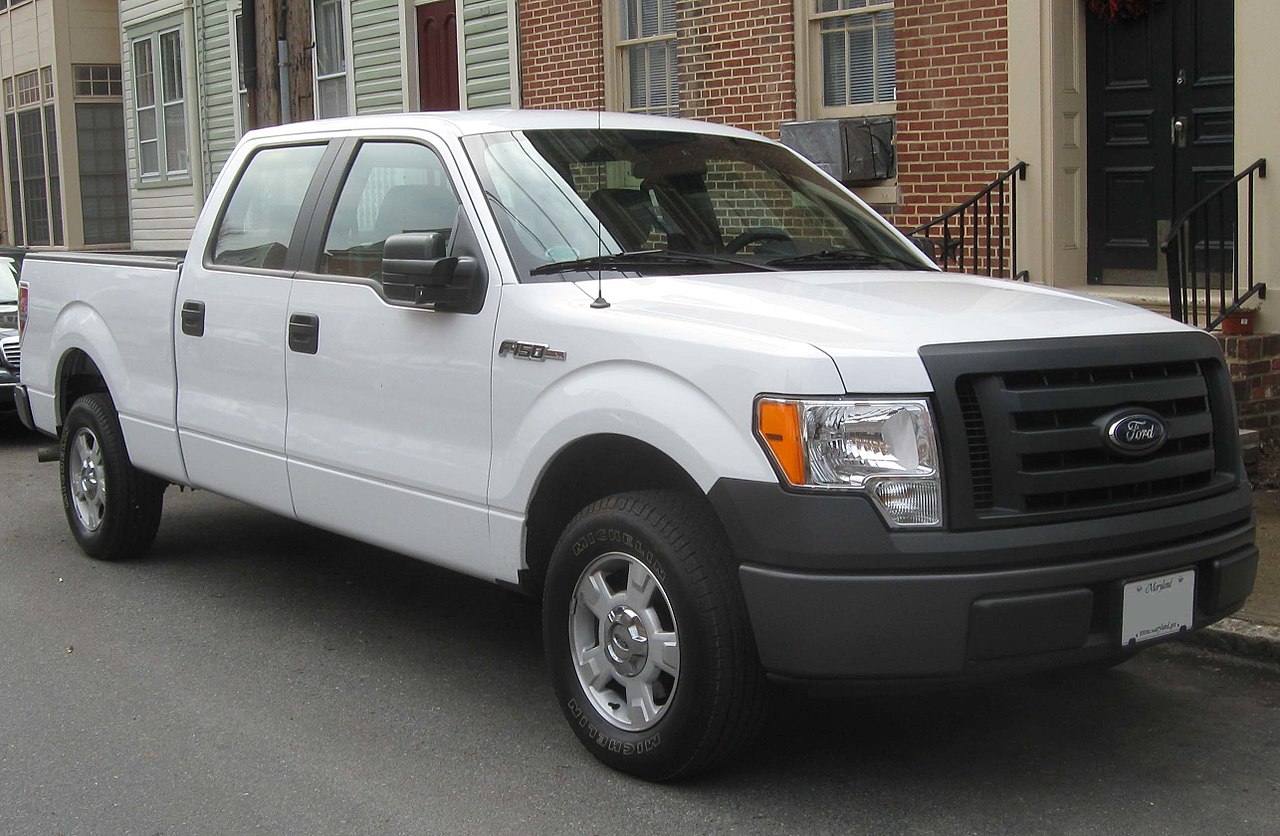
Kentucky ocupa el cuarto lugar entre los estados de EE. UU. en cuanto a cantidad de automóviles y camiones ensamblados. [11] El Chevrolet Corvette , el Cadillac XLR (2004-09), el Ford Escape , los camiones Ford Super Duty , el Ford Expedition , el Lincoln Navigator , el Toyota Camry , [128] el Toyota Avalon , [128] el Toyota Solara , el Toyota Venza , [128] y el Lexus ES 350 [128] se ensamblan en Kentucky.
Kentucky ha sido históricamente un importante productor de carbón, pero la industria ha estado en declive desde la década de 1980, y el número de empleados se redujo a más de la mitad entre 2011 y 2015. [128]
En 2010 [update], el 24% de la electricidad producida en los EE. UU. dependía de barras de uranio enriquecido procedentes de la Planta de Difusión Gaseosa de Paducah (el único sitio nacional de enriquecimiento de uranio de bajo grado), [ necesita actualización ] o de las 107.000 toneladas de carbón extraídas de los dos yacimientos de carbón del estado (que en conjunto producen el 4% de la electricidad de los EE. UU.). [129]
Kentucky produce el 95% del suministro mundial de whisky bourbon , y la cantidad de barriles de bourbon que se envejecen en Kentucky (más de 5,7 millones) excede la población del estado. [128] [130] El bourbon ha sido un mercado en crecimiento: la producción de bourbon de Kentucky aumentó un 170 por ciento entre 1999 y 2015. [128] En 2019, el estado tenía más de cincuenta destilerías para la producción de bourbon. [131]
Las exportaciones de Kentucky alcanzaron un récord de 22.100 millones de dólares en 2012, con productos y servicios destinados a 199 países. [132]
Según el Gabinete de Desarrollo Económico de Kentucky, la principal agencia estatal de Kentucky responsable de la creación de nuevos empleos y nuevas inversiones en el estado, las nuevas inversiones empresariales en Kentucky en 2012 ascendieron a casi 2.700 millones de dólares, con la creación de más de 14.000 nuevos empleos. Una de esas inversiones fue la de L'Oréal en el norte de Kentucky, que añadió 200 empleos a los 280 que ya había en las instalaciones existentes en Florence y Walton. [133]
Fort Knox , un puesto del ejército de los Estados Unidos mejor conocido como el sitio del Depósito de lingotes de oro de los Estados Unidos , que se utiliza para albergar una gran parte de las reservas oficiales de oro de los Estados Unidos , se encuentra en Kentucky entre Louisville y Elizabethtown . En mayo de 2010, el Centro de Excelencia de Recursos Humanos del Ejército , el edificio de oficinas más grande del estado con casi 900.000 pies cuadrados (84.000 m 2 ) abrió en Fort Knox. El complejo emplea a casi 4.300 soldados y civiles. [134]
Kentucky contiene dos de las veinte penitenciarías federales de Estados Unidos : USP Big Sandy (en el este, en el condado de Martin, cerca de Inez ) y USP McCreary (en el sur, en el condado de McCreary, en el bosque nacional Daniel Boone ).
El producto estatal bruto total para 2020 fue de $213 mil millones. [135] Su ingreso per cápita fue de $25,888 en 2017. [136] Una organización llamada Institute for Truth in Accounting estimó que las deudas del gobierno estatal excedían sus activos disponibles en $26,300 por contribuyente a partir de 2011 [update], clasificando al estado como el que tiene la quinta carga de deuda más alta de la nación. [137]
A partir de marzo de 2024, la tasa de desempleo del estado es del 4,5 %. [138] En 2014, Kentucky era el estado de EE. UU. más asequible para vivir. [139] [ necesita actualización ]
Impuestos
El Departamento de Hacienda de Kentucky recauda los impuestos. [140] Kentucky tiene una tasa impositiva fija del 4 % sobre la renta individual . La tasa impositiva sobre las ventas en Kentucky es del 6 %. [141]
Kentucky tiene un sistema de impuestos a la propiedad clasificado de base amplia . Todas las clases de propiedad, a menos que estén exentas por la Constitución, están gravadas por el estado, aunque a tasas muy variables. [142] Muchas de estas clases están exentas de impuestos por el gobierno local. De las clases que están sujetas a impuestos locales, tres tienen tasas especiales establecidas por la Asamblea General , una por la Corte Suprema de Kentucky y las clases restantes están sujetas a la tasa local completa, que incluye la tasa impositiva establecida por los organismos impositivos locales más todos los gravámenes votados. La propiedad inmobiliaria se evalúa al 100% del valor justo de mercado y los impuestos a la propiedad vencen el 31 de diciembre. Los impuestos a la propiedad, que alguna vez fueron la fuente principal de ingresos del gobierno estatal y local, ahora representan solo alrededor del 6% de los ingresos anuales del Fondo General de Kentucky. [143]
Hasta el 1 de enero de 2006, Kentucky impuso un impuesto sobre la propiedad personal intangible en poder de un contribuyente el 1 de enero de cada año. El impuesto intangible de Kentucky fue derogado en virtud del Proyecto de Ley de la Cámara de Representantes 272. [144] La propiedad intangible consistía en cualquier propiedad o inversión que representara evidencia de valor o el derecho a valor. Algunos tipos de propiedad intangible incluían: bonos, pagarés, acuerdos de recompra minorista , cuentas por cobrar, fideicomisos, contratos ejecutables de venta de bienes raíces (contratos de tierras), dinero en mano, dinero en cajas de seguridad , anualidades, intereses en herencias, préstamos a accionistas y papel comercial.
En 2023, Kentucky lanzó una industria regulada de apuestas deportivas locales y en línea. Con un impuesto a las casas de apuestas del 9,75 % (en persona) y del 14,25 % (en línea), en los primeros dos meses de acción el estado recaudó $7,94 millones. [145] [146]
Lemas promovidos por el gobierno
En diciembre de 2002, el gobernador de Kentucky, Paul E. Patton, dio a conocer el lema estatal "It's that friendly" [Es así de amigable], [147] con la esperanza de atraer a más personas al estado basándose en la idea de la hospitalidad sureña . Aunque estaba destinado a adoptar los valores sureños, muchos habitantes de Kentucky rechazaron el lema por considerarlo cursi y genérico. [147] Se vio que el lema no alentaba el turismo tanto como se esperaba inicialmente. Por lo tanto, el gobierno decidió crear un lema diferente para abarcar a Kentucky en su conjunto y, al mismo tiempo, alentar a más personas a visitar el Bluegrass. [148]
En 2004, el entonces gobernador Ernie Fletcher lanzó una campaña integral de marca con la esperanza de hacer más efectivo el presupuesto de publicidad del estado, de entre 12 y 14 millones de dólares. [149] La marca resultante, "Unbridled Spirit", fue el resultado de un contrato de 500.000 dólares con New West, una empresa de publicidad y marketing de relaciones públicas con sede en Kentucky, para desarrollar una marca y un eslogan viables. [150] La administración de Fletcher comercializó agresivamente la marca tanto en el sector público como en el privado. Desde entonces, los carteles de "Bienvenido a Kentucky" en las zonas fronterizas tienen un símbolo de "Unbridled Spirit".
Turismo

El turismo se ha convertido en una parte cada vez más importante de la economía de Kentucky. En 2019, el turismo creció hasta alcanzar un impacto económico de 7600 millones de dólares. Las atracciones clave incluyen carreras de caballos con eventos como el Derby de Kentucky y los encuentros de otoño y primavera de Keeneland , recorridos por destilerías de bourbon , incluidos los recorridos por el Kentucky Bourbon Trail y el Louisville Urban Bourbon Trail, [151] y atracciones naturales como los numerosos lagos y parques del estado, que incluyen Mammoth Cave , Lake Cumberland y Red River Gorge . [152]
El estado también cuenta con varios destinos religiosos como el Museo de la Creación y el Arca de Encuentro de Respuestas en Génesis . [153] [154]
Industria del caballo

Las carreras de caballos se han asociado durante mucho tiempo con Kentucky. Churchill Downs , la sede del Derby, es un gran recinto con una capacidad que supera las 165.000 personas. [155] La pista alberga múltiples eventos durante todo el año y es un atractivo importante para la ciudad de Louisville. El hipódromo de Keeneland , en Lexington, alberga dos encuentros importantes, las carreras de primavera y otoño. Además de albergar carreras, Keeneland también alberga una importante subasta de caballos que atrae a compradores de todo el mundo. En 2019, se gastaron 360 millones de dólares en la venta de Yearling de septiembre. [156] El Kentucky Horse Park en Georgetown alberga múltiples eventos durante todo el año, incluidas competiciones ecuestres internacionales y también ofrece paseos a caballo de abril a octubre. [157]
Educación
.jpg/1280px-Speed_Engineering_School,_Louisville,_Kentucky_(1067).jpg)
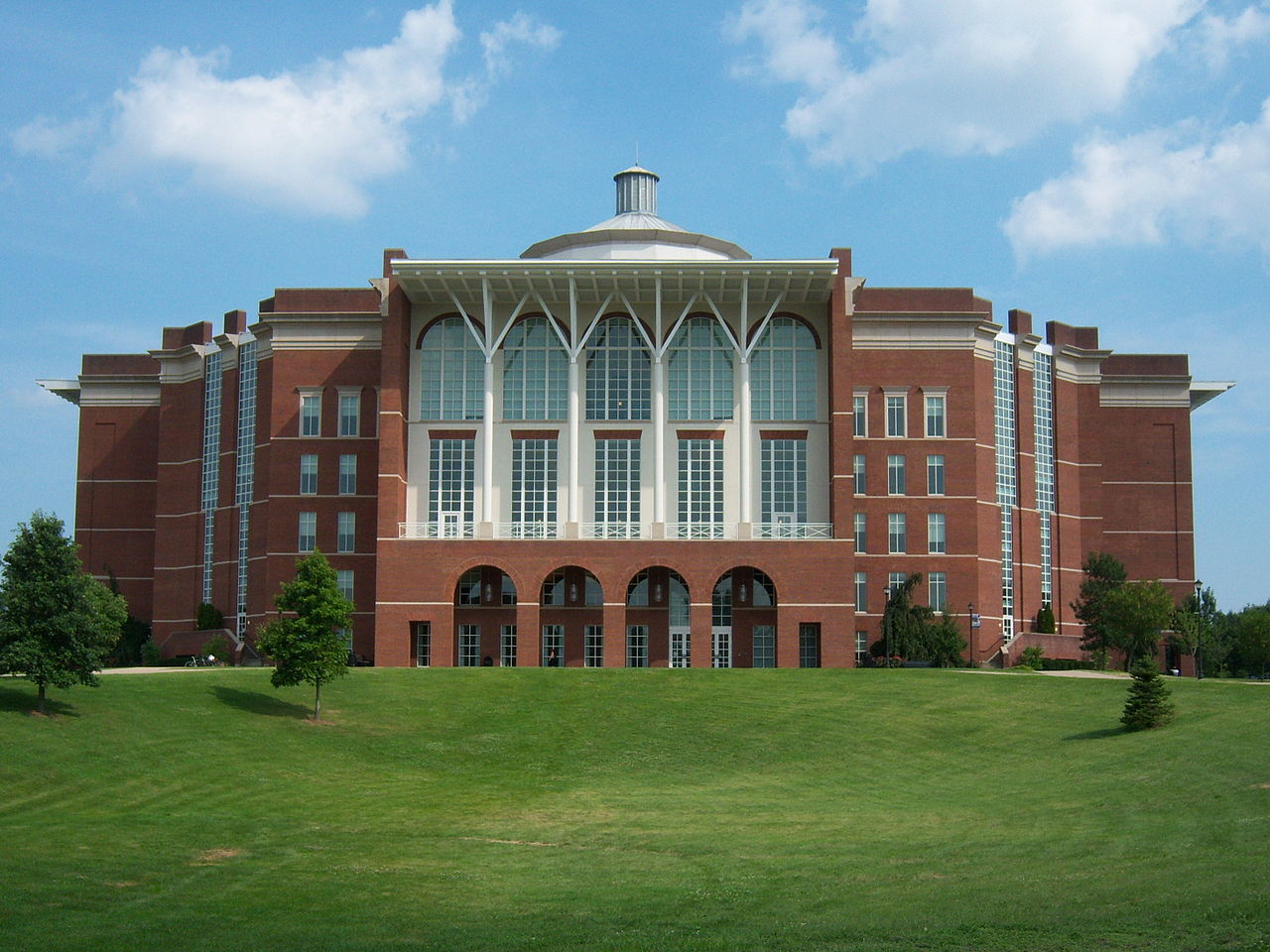
Kentucky cuenta con ocho universidades públicas de cuatro años. Hay dos niveles generales: las principales instituciones de investigación (la Universidad de Kentucky y la Universidad de Louisville ) y las universidades regionales, que abarcan las seis escuelas restantes. Las escuelas regionales tienen condados objetivo específicos a los que se dirigen muchos de sus programas (como Silvicultura en la Universidad Eastern Kentucky o Gestión de cuevas en la Universidad Western Kentucky ); sin embargo, la mayor parte de su plan de estudios varía poco del de cualquier otra universidad pública.
La Universidad de Kentucky (UK) y la Universidad de Louisville (UofL) tienen las clasificaciones académicas y los estándares de admisión más altos, aunque las escuelas regionales no carecen de sus departamentos reconocidos a nivel nacional; por ejemplo, el Departamento de Periodismo de la Universidad Western Kentucky, que tiene una clasificación nacional, o la Universidad Estatal de Morehead, que ofrece uno de los únicos títulos en Ciencias Espaciales del país. UK es la institución insignia y la concesión de tierras del sistema y cuenta con servicios de extensión agrícola en todos los condados. Las dos escuelas de investigación se dividen las tareas relacionadas con el campo médico: UK se encarga de todos los programas de extensión médica en la mitad oriental del estado, mientras que UofL se encarga de toda la extensión médica en la mitad occidental del estado.
Los dieciséis colegios públicos de dos años del estado han sido gobernados por el Sistema de Colegios Comunitarios y Técnicos de Kentucky desde la aprobación de la Ley de Mejora de la Educación Postsecundaria de 1997, comúnmente conocida como Proyecto de Ley de la Cámara de Representantes 1. [158] Antes de la aprobación del Proyecto de Ley de la Cámara de Representantes 1, la mayoría de estos colegios estaban bajo el control de la Universidad de Kentucky .
La Universidad de Transilvania , una universidad de artes liberales ubicada en Lexington, fue fundada en 1780 como la universidad más antigua al oeste de las montañas Allegheny .
Berea College , ubicada en el extremo sur de Bluegrass debajo de la meseta de Cumberland, fue la primera universidad mixta en el sur en admitir estudiantes blancos y negros, haciéndolo desde su fundación en 1855. [159] Una ley estatal en 1904 puso fin a la integración, y la ley fue confirmada por la Corte Suprema de los Estados Unidos en el caso de Berea College v. Kentucky en 1908. La ley estatal fue derogada en 1950 y Berea reanudó la integración. [160]
Hay 173 distritos escolares y 1.233 escuelas públicas en Kentucky. [161] Durante el año escolar 2010 a 2011, había aproximadamente 647.827 estudiantes matriculados en escuelas públicas. [162]
Kentucky ha sido escenario de muchas reformas educativas en las últimas dos décadas. En 1989, la Corte Suprema de Kentucky dictaminó que el sistema educativo del estado era inconstitucional. [163] La respuesta de la Asamblea General fue la aprobación de la Ley de Reforma Educativa de Kentucky (KERA) al año siguiente. Años después, Kentucky ha mostrado avances, pero la mayoría está de acuerdo en que se necesitan más reformas. [164]
La huelga de docentes de Virginia Occidental de 2018 inspiró a los docentes de otros estados , incluido Kentucky, a tomar medidas similares. [165]
Transporte

Roads
Kentucky is served by six major Interstate highways (I-24, I-64, I-65, I-69, I-71, and I-75), seven parkways, and six bypasses and spurs (I-165, I-169, I-264, I-265, I-275, and I-471). The parkways were originally toll roads, but on November 22, 2006, Governor Ernie Fletcher ended the toll charges on the William H. Natcher Parkway and the Audubon Parkway, the last two parkways in Kentucky to charge tolls for access.[166] The related toll booths have been demolished.[167]
Ending the tolls some seven months ahead of schedule was generally agreed to have been a positive economic development for transportation in Kentucky. In June 2007, a law went into effect raising the speed limit on rural portions of Kentucky Interstates and parkways from 65 to 70 miles per hour (105 to 113 km/h).[168]
Road tunnels include the interstate Cumberland Gap Tunnel and the rural Nada Tunnel.
Rails

Amtrak, the national passenger rail system, provides service to Ashland, South Portsmouth, Maysville and Fulton. The Cardinal (trains 50 and 51) is the line that offers Amtrak service to Ashland, South Shore, Maysville and South Portsmouth. The City of New Orleans (trains 58 and 59) serve Fulton. The Northern Kentucky area is served by the Cardinal at Cincinnati Union Terminal. The terminal is just across the Ohio River in Cincinnati.
Norfolk Southern Railway passes through the Central and Southern parts of the Commonwealth, via its Cincinnati, New Orleans, and Texas Pacific (CNO&TP) subsidiary. The line originates in Cincinnati and terminates 338 miles south in Chattanooga, Tennessee.
As of 2004[update], there were approximately 2,640 miles (4,250 km) of railways in Kentucky, with about 65% of those being operated by CSX Transportation. Coal was by far the most common cargo, accounting for 76% of cargo loaded and 61% of cargo delivered.[169]
Bardstown features a tourist attraction known as My Old Kentucky Dinner Train. Run along a 20-mile (30 km) stretch of rail purchased from CSX in 1987, guests are served a four-course meal as they make a two-and-a-half-hour round-trip between Bardstown and Limestone Springs.[170] The Kentucky Railway Museum is located in nearby New Haven.[171]
Other areas in Kentucky are reclaiming old railways in rail trail projects. One such project is Louisville's Big Four Bridge. When the bridge's Indiana approach ramps opened in 2014, completing the pedestrian connection across the Ohio River, the Big Four Bridge rail trail became the second-longest pedestrian-only bridge in the world.[172] The longest pedestrian-only bridge is also found in Kentucky – the Newport Southbank Bridge, popularly known as the "Purple People Bridge", connecting Newport to Cincinnati, Ohio.[173]
Air
Kentucky's primary airports include Louisville International Airport (Standiford Field (SDF)) of Louisville, Cincinnati/Northern Kentucky International Airport (CVG) of Cincinnati/Covington, and Blue Grass Airport (LEX) in Lexington. Louisville International Airport is home to UPS's Worldport, its international air-sorting hub.[174] Cincinnati/Northern Kentucky International Airport is the largest airport in the state, and is a focus city for passenger airline Delta Air Lines and headquarters of its Delta Private Jets. The airport is one of DHL Aviation's three super-hubs, serving destinations throughout the Americas, Europe, Africa, and Asia, making it the 7th busiest airport in the U.S. and 36th in the world based on passenger and cargo operations.[citation needed] CVG is also a focus city for Frontier Airlines and is the largest O&D airport and base for Allegiant Air, along with home to a maintenance for American Airlines subsidiary PSA Airlines and Delta Air Lines subsidiary Endeavor Air. There are also a number of regional airports scattered across the state.
On August 27, 2006, Blue Grass Airport was the site of a crash that killed 47 passengers and 2 crew members aboard a Bombardier CRJ designated Comair Flight 191, or Delta Air Lines Flight 5191, sometimes mistakenly identified by the press as Comair Flight 5191.[175] The lone survivor was the flight's first officer, James Polehinke, who doctors determined to be brain damaged and unable to recall the crash at all.[176]

Water
As the state is bounded by two of the largest rivers in North America, water transportation has historically played a major role in Kentucky's economy. Louisville was a major port for steamships in the nineteenth century. Today, most barge traffic on Kentucky waterways consists of coal that is shipped from both the Eastern and Western Coalfields, about half of which is used locally to power many power plants located directly off the Ohio River, with the rest being exported to other countries, most notably Japan.
Many of the largest ports in the United States are located in or adjacent to Kentucky, including:
- Huntington-Tristate (includes Ashland, Kentucky), largest inland port and 7th largest overall
- Cincinnati-Northern Kentucky, 5th largest inland port and 43rd overall
- Louisville-Southern Indiana, 7th largest inland port and 55th overall
As a state, Kentucky ranks 10th overall in port tonnage.[177][178]
The only natural obstacle along the entire length of the Ohio River is the Falls of the Ohio, located just west of Downtown Louisville.
Law and government
Kentucky is one of four U.S. states to officially use the term commonwealth. The term was used for Kentucky as it had also been used by Virginia, from which Kentucky was created. The term has no particular significance in its meaning and was chosen to emphasize the distinction from the status of royal colonies as a place governed for the general welfare of the populace.[179] Kentucky was originally styled as the "State of Kentucky" in the act admitting it to the Union and its first constitution.[180]
The "Commonwealth" term was used in citizen petitions submitted between 1786 and 1792 for the creation of the state.[181] It was also used in the title of a history of the state that was published in 1834 and was used in various places within that book in references to Virginia and Kentucky.[182] The other three states officially called "commonwealths" are Massachusetts, Pennsylvania, and Virginia; the territories of Puerto Rico and the Northern Mariana Islands are also formally commonwealths.
Kentucky is one of only five states that elect their state officials in odd-numbered years (the others being Louisiana, Mississippi, New Jersey, and Virginia). Kentucky holds elections for these offices every four years in the years preceding Presidential election years. Thus, Kentucky held gubernatorial elections in 2015, 2019 and 2023.
Executive branch

The executive branch is headed by the governor, who serves as both head of state and head of government. The lieutenant governor may or may not have executive authority depending on whether the person is a member of the Governor's cabinet. Under the current Kentucky Constitution, the lieutenant governor assumes the duties of the governor only if the governor is incapacitated. (Before 1992 the lieutenant governor assumed power any time the governor was out of the state.) The governor and lieutenant governor usually run on a single ticket (also per a 1992 constitutional amendment) and are elected to four-year terms. The current governor is Andy Beshear, and the lieutenant governor is Jacqueline Coleman. Both are Democrats.[183][184]
The executive branch is organized into the following "cabinets", each headed by a secretary who is also a member of the governor's cabinet:[185]
- General Government Cabinet
- Transportation Cabinet
- Cabinet for Economic Development
- Finance and Administration Cabinet
- Tourism, Arts, and Heritage Cabinet
- Education and Workforce Development Cabinet
- Cabinet for Health and Family Services
- Justice and Public Safety Cabinet
- Personnel Cabinet
- Labor Cabinet
- Energy and Environment Cabinet
- Public Protection Cabinet
The cabinet system was introduced in 1972 by Governor Wendell Ford to consolidate hundreds of government entities that reported directly to the governor's office.[186]
Other elected constitutional offices include the Secretary of State, Attorney General, Auditor of Public Accounts, State Treasurer and Commissioner of Agriculture. Currently, Republican Michael G. Adams serves as the Secretary of State. The commonwealth's chief prosecutor, law enforcement officer, and law officer is the Attorney General, currently Republican Russell Coleman. The Auditor of Public Accounts is Republican Allison Ball. Republican Mark Metcalf is the current Treasurer. Republican Jonathan Shell is the current Commissioner of Agriculture.
Legislative branch

Kentucky's legislative branch consists of a bicameral body known as the Kentucky General Assembly. The Senate is considered the upper house. It has 38 members and is led by the President of the Senate, currently Robert Stivers (R). The House of Representatives has 100 members, and is led by the Speaker of the House, currently David Osborne of the Republican Party.[187]
In 2016, Republicans won control of the House for the first time since 1922. The party currently holds supermajorities in both chambers.[188]
Judicial branch
The judicial branch of Kentucky is called the Kentucky Court of Justice[189] and comprises courts of limited jurisdiction called District Courts; courts of general jurisdiction called Circuit Courts; specialty courts such as Drug Court[190] and Family Court;[191] an intermediate appellate court, the Kentucky Court of Appeals; and a court of last resort, the Kentucky Supreme Court.
The Kentucky Court of Justice is headed by the Chief Justice of the Commonwealth. The chief justice is appointed by, and is an elected member of, the Supreme Court of Kentucky. The current chief justice is Laurance VanMeter.
Unlike federal judges, who are usually appointed, justices serving on Kentucky state courts are chosen by the state's populace in non-partisan elections.
Federal representation

Kentucky's two U.S. senators are Senate Minority Leader Mitch McConnell and Rand Paul, both Republicans. The state is divided into six congressional districts, represented by Republicans James Comer (1st), Brett Guthrie (2nd), Thomas Massie (4th), Hal Rogers (5th) and Andy Barr (6th) and Democrat Morgan McGarvey (3rd).
In the federal judiciary, Kentucky is served by two United States district courts: the Eastern District of Kentucky, with its primary seat in Lexington, and the Western District of Kentucky, with its primary seat in Louisville. Appeals are heard in the Court of Appeals for the Sixth Circuit, based in Cincinnati, Ohio.
Law

Kentucky's body of laws, known as the Kentucky Revised Statutes (KRS), were enacted in 1942 to better organize and clarify the whole of Kentucky law.[192] The statutes are enforced by local police, sheriffs and deputy sheriffs, and constables and deputy constables. Unless they have completed a police academy elsewhere, these officers are required to complete Police Officer Professional Standards (POPS) training at the Kentucky Department of Criminal Justice Training Center on the campus of Eastern Kentucky University in Richmond.[193] Additionally, in 1948, the Kentucky General Assembly established the Kentucky State Police, making it the 38th state to create a force whose jurisdiction extends throughout the given state.[194]
Kentucky is one of the 32 states in the United States that sanctions the death penalty for certain murders defined as heinous. Those convicted of capital crimes after March 31, 1998, are always executed by lethal injection; those convicted on or before this date may opt for the electric chair.[195] Only three people have been executed in Kentucky since the U.S. Supreme Court re-instituted the practice in 1976. The most notable execution in Kentucky was that of Rainey Bethea on August 14, 1936. Bethea was publicly hanged in Owensboro for the rape and murder of Lischia Edwards.[196] Irregularities with the execution led to this becoming the last public execution in the United States.[197]
Kentucky has been on the front lines of the debate over displaying the Ten Commandments on public property. In the 2005 case of McCreary County v. ACLU of Kentucky, the U.S. Supreme Court upheld the decision of the Sixth Circuit Court of Appeals that a display of the Ten Commandments in the Whitley City courthouse of McCreary County was unconstitutional.[198] Later that year, Judge Richard Fred Suhrheinrich, writing for the Sixth Circuit Court of Appeals in the case of ACLU of Kentucky v. Mercer County, wrote that a display including the Mayflower Compact, the Declaration of Independence, the Ten Commandments, Magna Carta, The Star-Spangled Banner, and the national motto could be erected in the Mercer County courthouse.[199]
Kentucky has been known to have unusually high political candidacy age laws, especially compared to surrounding states. The origin of this is unknown.
Politics

Since the late 1990s, Kentucky has supported Republican candidates for most federal political offices, and, more recently, for state-level office as well. The state leaned toward the Democratic Party from 1860 through the 1990s, and was considered a swing state at the presidential level for most of the latter half of the 20th century.
The southeastern region of the state aligned with the Union during the war and has consistently supported Republican candidates. The central and western portions of the state were heavily Democratic in the years leading to the Civil War, were pro-secessionist and pro-Confederate during the Civil War, and in the decades following the war. Kentucky was part of the Democratic Solid South in the second half of the nineteenth century and through the majority of the twentieth century.
Mirroring a broader national reversal of party composition, the Kentucky Democratic Party of the twenty-first century primarily consists of liberal whites, African Americans, and other minorities. Although most of the state's voters have reliably elected Republican candidates for federal office since the late 1990s, Democrats held an advantage in party registration until 2022. On July 15, 2022, the Kentucky Secretary of State's office announced that for the first time in its history, the commonwealth had more registered Republicans than registered Democrats, with 45.19% of the state's voters registered as Republicans, 45.12% registered as Democrats, and 9.69% registered with another political party or as independents.[201]
From 1964 through 2004, Kentucky voted for the eventual winner of the election for President of the United States; however, in the 2008 election the state lost its bellwether status. Republican John McCain won Kentucky, but he lost the national popular and electoral vote to Democrat Barack Obama (McCain carried Kentucky 57% to 41%). 116 of Kentucky's 120 counties supported former Massachusetts Governor Mitt Romney in the 2012 election while he lost to Barack Obama nationwide.[202][203]
Voters in the Commonwealth have supported the previous three Democratic candidates elected to the White House in the late 20th century, all from Southern states: Lyndon B. Johnson (Texas) in 1964, Jimmy Carter (Georgia) in 1976, and Bill Clinton (Arkansas) in 1992 and 1996. In the twenty-first century presidential elections, the state has become a Republican stronghold, supporting that party's presidential candidates by double-digit margins from 2000 through 2020. At the same time, voters have continued to elect Democratic candidates to state and local offices in many jurisdictions.
Elliott County, Kentucky is notable for having held the longest streak of any county in the United States voting Democratic. Founded in 1869, Elliott County supported the Democratic nominee in every presidential election from 1872 (the first in which it participated) until 2012. In 2016, Donald Trump became the first Republican to ever carry the county, and he did so in a 44-point landslide, highlighting the modern Republican Party's dominance among rural whites and many ancestrally Democratic, socially-conservative voters.
Kentucky is one of the most anti-abortion states in the United States. A 2014 poll conducted by Pew Research Center found that 57% of Kentucky's population thought that abortion should be illegal in all/most cases, while only 36% thought that abortion should be legal in all/most cases.[204]
In a 2020 study, Kentucky was ranked as the 8th hardest state for citizens to vote in.[205]
Culture

Kentucky culture is firmly Southern, and influenced by that of Appalachia. The state is known for bourbon and whiskey distilling, tobacco, horse racing, and college basketball. Kentucky is more similar to the Upland South in terms of ancestry that is predominantly American.[207]
Nevertheless, during the 19th century, Kentucky did receive a substantial number of German immigrants, who settled mostly in the Midwest and parts of the Upper South, along the Ohio River primarily in Louisville, Covington and Newport.[208] Only Maryland, Delaware and West Virginia have higher German ancestry percentages than Kentucky among Census-defined Southern states, although Kentucky's percentage is closer to Arkansas and Virginia's than the previously named state's percentages. Scottish Americans, English Americans and Scotch-Irish Americans have heavily influenced Kentucky culture, and are present in every part of the state.[209] As of the 1980s the only counties in the United States where more than half the population cited "English" as their only ancestry group were all in the hills of eastern Kentucky (and made up virtually every county in this region).[119]
Kentucky was a slave state, and Black people once composed over one-quarter of its population; however, it lacked the cotton plantation system though it did support significant and large scale tobacco plantation systems in the western and central parts of the state more similar to the plantations developed in Virginia and North Carolina than those in the Deep South, and never had the same high percentage of African Americans as most other slave states. While less than 8% of the total population is Black, Kentucky has a relatively significant rural African American population in the Central and Western areas of the state.[210][211][212]
Kentucky adopted the Jim Crow system of racial segregation in most public spheres after the Civil War. Louisville's 1914 ordinance for residential racial segregation was struck down by the Supreme Court in 1917. However, in 1908 Kentucky enacted the Day Law, "An Act to Prohibit White and Colored Persons from Attending the Same School", which Berea College unsuccessfully challenged at the US Supreme Court in 1908. In 1948, Lyman T. Johnson filed suit for admission to the University of Kentucky; as a result, nearly thirty African American students entered UK graduate and professional programs in the summer of 1949.[213] Kentucky integrated its schools after the 1954 Brown v. Board of Education verdict, later adopting the first state civil rights act in the South in 1966.[214]

Kentucky commemorates Confederate Memorial Day but added Juneteenth as a holiday by proclamation of Governor Andy Beshear in 2024. The biggest day in American horse racing, the Kentucky Derby, is preceded by the two-week Derby Festival[215] in Louisville. The Derby Festival features many events, including Thunder Over Louisville, the Pegasus Parade, the Great Steamboat Race, Fest-a-Ville, the Chow Wagon, BalloonFest, BourbonVille, and many others leading up to the big race.
Louisville also plays host to the Kentucky State Fair[216] and the Kentucky Shakespeare Festival.[217] Bowling Green, the state's third-largest city and home to the only assembly plant in the world that manufactures the Chevrolet Corvette,[218] opened the National Corvette Museum in 1994.[219] The fourth-largest city, Owensboro, gives credence to its nickname of "Barbecue Capital of the World" by hosting the annual International Bar-B-Q Festival.[220]
Old Louisville, the largest historic preservation district in the United States featuring Victorian architecture and the third largest overall,[221] hosts the St. James Court Art Show, the largest outdoor art show in the United States.[222] The neighborhood was also home to the Southern Exposition (1883–1887), which featured the first public display of Thomas Edison's light bulb,[223] and was the setting of Alice Hegan Rice's novel, Mrs. Wiggs of the Cabbage Patch.[224]
Fairview was the birthplace of Jefferson Davis, who would become President of the Confederate States of America; the town had the Jefferson Davis Memorial, a 351-foot concrete obelisk, built in 1917. Hodgenville, the birthplace of Abraham Lincoln, hosts the annual Lincoln Days Celebration, and also hosted the kick-off for the National Abraham Lincoln Bicentennial Celebration in February 2008. Bardstown celebrates its heritage as a major bourbon-producing region with the Kentucky Bourbon Festival.[225] Glasgow mimics Glasgow, Scotland by hosting the Glasgow Highland Games, its own version of the Highland Games,[226] and Sturgis hosts "Little Sturgis", a mini version of Sturgis, South Dakota's annual Sturgis Motorcycle Rally.[227]
The state is famous for quilts. The National Quilt Museum is in Paducah. It hosts QuiltWeek, an annual competition and celebration of that attracts artists and hobbyists from the world of quilting.[228]
Winchester celebrates an original Kentucky creation, Beer Cheese, with its Beer Cheese Festival held annually in June.[229] Beer Cheese was developed in Clark County at some point in the 1940s along the Kentucky River.[230]
The residents of tiny Benton pay tribute to their favorite tuber, the sweet potato, by hosting Tater Day.[231] Residents of Clarkson in Grayson County celebrate their city's ties to the honey industry by celebrating the Clarkson Honeyfest.[232] The Clarkson Honeyfest is held the last Thursday, Friday and Saturday in September, and is the "Official State Honey Festival of Kentucky".
Music
Renfro Valley, Kentucky is home to Renfro Valley Entertainment Center and the Kentucky Music Hall of Fame and is known as "Kentucky's Country Music Capital", a designation given it by the Kentucky State Legislature in the late 1980s. The Renfro Valley Barn Dance was where Renfro Valley's musical heritage began, in 1939, and influential country music luminaries like Red Foley, Homer & Jethro, Lily May Ledford & the Original Coon Creek Girls, Martha Carson and many others have performed as regular members of the shows there over the years. The Renfro Valley Gatherin' is today America's second-oldest continually broadcast radio program of any kind. It is broadcast on local radio station WRVK and a syndicated network of nearly 200 other stations across the United States and Canada every week.

Contemporary Christian music star Steven Curtis Chapman is a Paducah native, and Rock and Roll Hall of Famers the Everly Brothers are closely connected with Muhlenberg County, where older brother Don was born. Merle Travis, Country and Western artist known for both his signature "Travis picking" guitar playing style, as well as his hit song "Sixteen Tons", was also born in Muhlenberg County. Kentucky was also home to Mildred and Patty Hill, the Louisville sisters credited with composing the tune to the ditty Happy Birthday to You in 1893; Loretta Lynn (Johnson County), Brian Littrell and Kevin Richardson of the Backstreet Boys, and Billy Ray Cyrus (Flatwoods).
However, its depth lies in its signature sound – Bluegrass music. Bill Monroe, "The Father of Bluegrass", was born in the small Ohio County town of Rosine, while Ricky Skaggs, Keith Whitley, David "Stringbean" Akeman, Louis Marshall "Grandpa" Jones, Sonny and Bobby Osborne, and Sam Bush (who has been compared to Monroe) all hail from Kentucky. The Bluegrass Music Hall of Fame & Museum is located in Owensboro,[233] while the annual Festival of the Bluegrass is held in Lexington.[234]
Kentucky was also home to famed jazz musician Lionel Hampton.[235] Blues legend W. C. Handy and R&B singer Wilson Pickett also spent considerable time in Kentucky. The R&B group Midnight Star and Hip-Hop group Nappy Roots were both formed in Kentucky, as were country acts the Kentucky Headhunters, Montgomery Gentry, Halfway to Hazard, the Judds, and Dove Award-winning Christian groups Audio Adrenaline and Bride. Black Stone Cherry hails from rural Edmonton. Indie rock bands Slint, My Morning Jacket, Wax Fang, White Reaper, and Tantric formed in Louisville; indie rock bands Cage the Elephant, Sleeper Agent, and Morning Teleportation are from Bowling Green. The bluegrass groups Driftwood and Kentucky Rain, along with Nick Lachey of the pop band 98 Degrees are also from Kentucky. King Crimson guitarist Adrian Belew is from Covington. Noted singer and actress Rosemary Clooney was a native of Maysville, her legacy being celebrated at the annual music festival bearing her name. Noted songwriter and actor Will Oldham is from Louisville.[236] More recently in the limelight are country artists Chris Stapleton, Sturgill Simpson, Tyler Childers, and Chris Knight.
In eastern Kentucky, old-time music carries on the tradition of ancient ballads and reels developed in historical Appalachia.
Literature
Kentucky has played a major role in Southern and American literature, producing works that often celebrate the working class, rural life, nature, and explore issues of class, extractive economy, and family. Major works from the state include Uncle Tom's Cabin (1852) by Harriet Beecher Stowe, widely seen as one of the impetuses for the American Civil War; The Little Shepherd of Kingdom Come (1908) by John Fox Jr., which was the first novel to sell a million copies in the United States; All the King's Men by Robert Penn Warren (1946), rated as the 36th best English-language novel of the 20th century; The Dollmaker (1954) by Harriette Arnow; Night Comes to the Cumberlands (1962) by Harry Caudill, which contributed to initiating the U.S. Government's War on poverty, and others.
Author Thomas Merton lived most of his life and wrote most of his books – including The Seven Storey Mountain (1948), ranked on National Review's list of the 100 best non-fiction books of the century – during his time as a monk at the Abbey of Our Lady of Gethsemani near Bardstown, Kentucky. Author Hunter S. Thompson is also a native of the state. Since the later part of the 20th century, several writers from Kentucky have published widely read and critically acclaimed books, including: Wendell Berry (fl. 1960–), Silas House (fl. 2001–), Barbara Kingsolver (fl. 1988–), poet Maurice Manning (fl. 2001–), and Bobbie Ann Mason (fl. 1988–).
Well-known playwrights from Kentucky include Marsha Norman (works include 'night, Mother, 1983), Naomi Wallace (works include One Flea Spare, 1995), and George C. Wolfe (works include Jelly's Last Jam, 1992).

Cuisine
Kentucky's cuisine is generally similar to and is a part of traditional southern cooking, although in some areas of the state it can blend elements of both the South and Appalachia, mixing Appalachian with the native Southern cuisine of the area.[237] One original Kentucky dish is called the Hot Brown, a dish normally layered in this order: toasted bread, turkey, bacon, tomatoes and topped with mornay sauce. It was developed at the Brown Hotel in Louisville.[238] The Pendennis Club in Louisville is the birthplace of the Old Fashioned cocktail. Also, Western Kentucky is known for its own regional style of Southern barbecue. Central Kentucky is the birthplace of Beer Cheese.
Harland Sanders, a Kentucky colonel, originated Kentucky Fried Chicken at his service station in North Corbin, though the first franchised KFC was located in South Salt Lake, Utah.[239]
Sports

Kentucky is the home of sports teams such as Minor League Baseball's Triple-A Louisville Bats and High-A Bowling Green Hot Rods. It is home to the independent Atlantic League of Professional Baseball's Lexington Legends and the Frontier League's Florence Y'alls. The Lexington Horsemen and Louisville Fire of the now-defunct af2 had been interested in making a move up to the "major league" Arena Football League, but nothing has come of those plans.
The northern part of the state lies across the Ohio River from Cincinnati, which is home to the National Football League's Cincinnati Bengals, Major League Baseball's Cincinnati Reds. It is not uncommon for fans to park in the city of Newport and use the Newport Southbank Pedestrian Bridge, locally known as the "Purple People Bridge", to walk to these games in Cincinnati. Georgetown College in Georgetown was the location for the Bengals' summer training camp, until it was announced in 2012 that the Bengals would no longer use the facilities.[240]
As in many states, especially those without major league professional sports teams, college athletics are prominent. This is especially true of the state's three Division I Football Bowl Subdivision (FBS) programs, including the Kentucky Wildcats, the Western Kentucky Hilltoppers, and the Louisville Cardinals. The Wildcats, Hilltoppers, and Cardinals are among the most tradition-rich college men's basketball teams in the United States, combining for 11 National Championships and 24 NCAA Final Fours;[citation needed] all three are high on the lists of total all-time wins, wins per season, and average wins per season.[citation needed]
The Kentucky Wildcats are particularly notable, leading all Division I programs in all-time wins, win percentage, NCAA tournament appearances, and being second only to UCLA in NCAA championships.[241] Louisville has stepped onto the football scene, including winning the 2007 Orange Bowl as well as the 2013 Sugar Bowl, and producing 2016 Heisman Trophy winner Lamar Jackson. Western Kentucky, the 2002 national champion in Division I-AA football (now Football Championship Subdivision (FCS)), completed its transition to Division I FBS football in 2009.
The Kentucky Derby is a horse race held annually in Louisville on the first Saturday in May. The Valhalla Golf Club in Louisville has hosted several editions of the PGA Championship, Senior PGA Championship and Ryder Cup since the 1990s.
The NASCAR Cup Series held a race at the Kentucky Speedway in Sparta, Kentucky from 2011 to 2020. The NASCAR Nationwide Series and the Camping World Truck Series raced there through 2020. The IndyCar Series previously raced there as well.
Ohio Valley Wrestling in Louisville was the primary location for training and rehab for WWE professional wrestlers from 2000 until 2008, when WWE moved its contracted talent to Florida Championship Wrestling. OVW later became the primary developmental territory for Total Nonstop Action Wrestling (TNA) from 2011 to 2013.
In 2014 Louisville City FC, a professional soccer team in the league then known as USL Pro and now as the United Soccer League, was announced. The team made its debut in 2015, playing home games at Louisville Slugger Field. In its first season, Louisville City was the official reserve side for Orlando City SC, who made its debut in Major League Soccer at the same time. That arrangement ended in 2016 when Orlando City established a directly controlled reserve side in the USL.
Kentucky colonel
The distinction of being named a Kentucky colonel is the highest title of honor bestowed by the Commonwealth of Kentucky. Commissions for Kentucky colonels are given by the Governor and the Secretary of State to individuals in recognition of noteworthy accomplishments and outstanding service to a community, state or the nation. The sitting governor of the Commonwealth of Kentucky bestows the honor of a colonel's commission, by issuance of letters patent. Kentucky colonels are commissioned for life and act officially as the state's goodwill ambassadors.[242]
See also
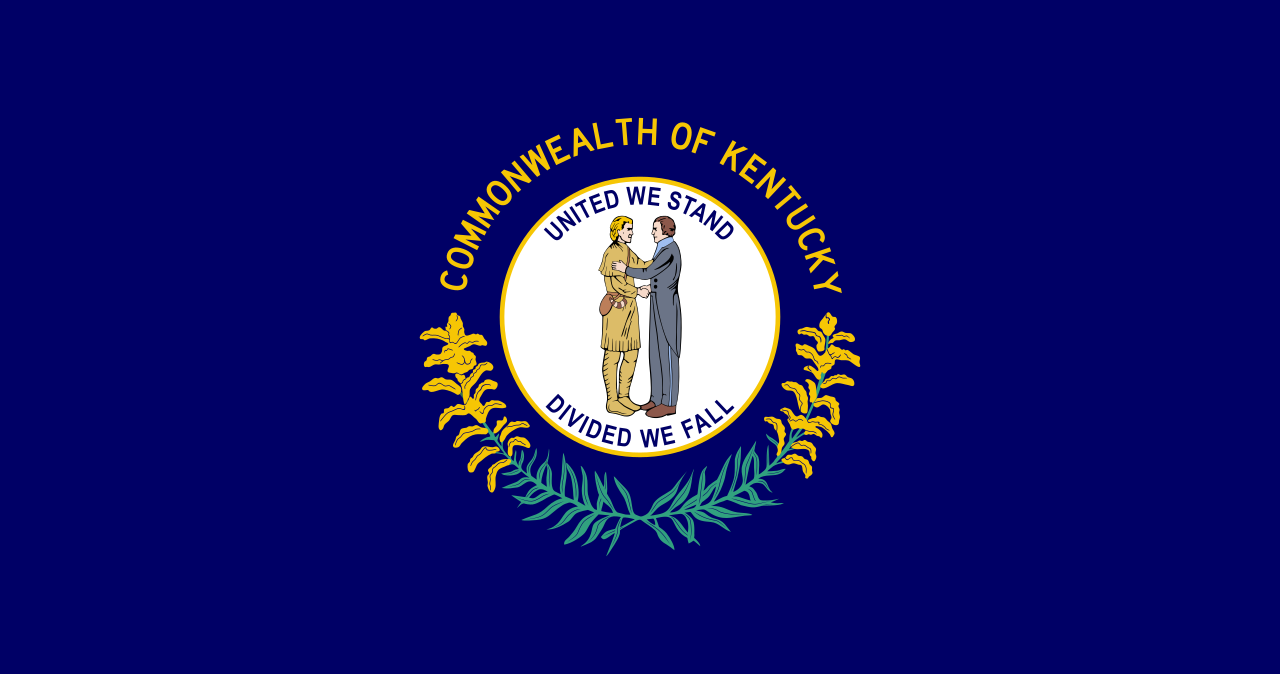
Notes
- ^ However, a portion of the larger Cincinnati metropolitan area does extend into the state.
- ^ a b Elevation adjusted to North American Vertical Datum of 1988.
- ^ Kentucky is one of only four U.S. states to use the term "Commonwealth" in its official name, along with Massachusetts, Virginia, and Pennsylvania.
- ^ Persons of Hispanic or Latino origin are not distinguished between total and partial ancestry.
References
- ^ a b "Elevations and Distances in the United States". United States Geological Survey. 2001. Archived from the original on October 15, 2011. Retrieved October 21, 2011.
- ^ a b "2020 Census Apportionment Results". census.gov. United States Census Bureau. Archived from the original on April 26, 2021. Retrieved April 26, 2021.
- ^ "Median Annual Household Income". The Henry J. Kaiser Family Foundation. Archived from the original on December 20, 2016. Retrieved May 14, 2019.
- ^ "Kentucky State Symbols". Kentucky Department for Libraries and Archives. Archived from the original on July 3, 2007. Retrieved November 29, 2006.
- ^ Wells, John C. (2008). Longman Pronunciation Dictionary (3rd ed.). Longman. ISBN 978-1-4058-8118-0.
- ^ "How Kentucky Became a State". Puerto Rico 51st. August 8, 2014. Archived from the original on February 21, 2020. Retrieved February 21, 2020.
- ^ "The Bluegrass State". State Symbols USA. June 2014. Archived from the original on April 21, 2020. Retrieved March 19, 2020.
- ^ "2007 Rankings of States and Counties". Alabama Cattlemen's Association. Archived from the original on May 4, 2006. Retrieved May 1, 2007.
- ^ a b "Corn Production Detective" (PDF). National Council on Economic Education. Archived from the original (PDF) on June 5, 2007. Retrieved May 3, 2007.
- ^ a b Hunt, Matthew (2019). "Are Kentucky Farmers Prepared for Farm-Related Emergencies?". Journal of Agromedicine. 24 (1): 9–14. doi:10.1080/1059924x.2018.1536571. ISSN 1059-924X. PMID 30317936. S2CID 52977999.
- ^ a b Strong, Marvin E. "Gene" Jr. (December 31, 2003). "Kentucky: In the Middle of Auto Alley". Trade and Industry Development. Archived from the original on August 14, 2022. Retrieved November 28, 2012.
- ^ Johnson and Parrish. "Kentucky River Development: The Commonwealth's Waterways" (PDF). University of Kentucky. Archived from the original (PDF) on January 11, 2021.
- ^ Harper, Douglas. "Kentucky". Online Etymology Dictionary. Retrieved February 25, 2007. "Kentucky". Oxford English Dictionary. Archived from the original on August 2, 2007. Retrieved February 25, 2007.
- ^ Mithun, Marianne. 1999. Languages of Native North America. Cambridge: Cambridge University Press, pg. 312
- ^ "Kentucky". Microsoft Encarta Online Encyclopedia 2006. Archived from the original on October 30, 2009. Retrieved February 25, 2007.
- ^ McCafferty, Michael (2008). Native American Place Names of Indiana. University of Illinois Press. p. 250. ISBN 9780252032684.
- ^ Nichols, John & Nyholm, Earl. Concise Dictionary of Minnesota Ojibwe, 1994.
- ^ Patrick, Andrew P. (2017). "Birth of the Bluegrass: Ecological Transformations in Central Kentucky to 1810". The Register of the Kentucky Historical Society. 115 (2): 155–182. doi:10.1353/khs.2017.0049. S2CID 133557743.
- ^ Louis, Franquelin, Jean Baptiste. "Franquelin's map of Louisiana.". LOC.gov. Retrieved August 17, 2017.
- ^ "Early Indian Migration in Ohio." GenealogyTrails.com. Retrieved August 17, 2017.
- ^ Henderson, A. Gwynn (2018). "Dispelling the Myth: Seventeenth- and Eighteenth-Century Indian Life in Kentucky". The Register of the Kentucky Historical Society. 90 (1): 1–25.
- ^ "Native Americans of Clay County & Kentucky". claycountykentucky.org.
- ^ Cotterill, Robert S. (1917). History of Pioneer Kentucky. Cincinnati: Johnson & Hardin. pp. 36–37.
- ^ Cotterill, Robert S. (1917). History of Pioneer Kentucky. Cincinnati: Johnson & Hardin. p. 30.
- ^ Ranck, George W. (1872). History of Lexington Kentucky. Cincinnati: Robert Clarke & Co. p. 12.
- ^ Henderson, A. Gwynn (2018). "Dispelling the Myth: Seventeenth- and Eighteenth-Century Indian Life in Kentucky". The Register of the Kentucky Historical Society. 90 (1): 6–7.
- ^ Henderson, A. Gwynn (2018). "Dispelling the Myth: Seventeenth- and Eighteenth-Century Indian Life in Kentucky". The Register of the Kentucky Historical Society. 90 (1): 17.
- ^ Henderson, A. Gwynn (2018). "Dispelling the Myth: Seventeenth- and Eighteenth-Century Indian Life in Kentucky". The Register of the Kentucky Historical Society. 90 (1): 18–22.
- ^ Henderson, A. Gwynn (2018). "Dispelling the Myth: Seventeenth- and Eighteenth-Century Indian Life in Kentucky". The Register of the Kentucky Historical Society. 90 (1): 24–25.
- ^ "South of the Ohio" was almost, but not quite, synonymous with Kentucke country.
- ^ The First Explorations of the Trans-Allegheny Region by the Virginians 1650–1674
- ^ "The Presence". History of Native Americans in Central Kentucky. Mercer County Online. Archived from the original on December 12, 2006. Retrieved November 29, 2006.
- ^ Murphree, Daniel S. (2012). Native America: A State-by-State Historical Encyclopedia. Santa Barbara, CA: ABC-CLIO. p. 395. ISBN 9780313381270. Archived from the original on March 26, 2023. Retrieved March 19, 2023.
- ^ James, James Alton (1928). The Life of George Rogers Clark. Chicago: University of Chicago Press. ISBN 978-0-404-03549-5.
- ^ Kesavan, Vasan (December 1, 2002). "When Did the Articles of Confederation Cease to Be Law". Notre Dame Law Review. 78 (1): 70–71. Archived from the original on January 1, 2016. Retrieved October 31, 2015.
- ^ 1 Stat. 189
- ^ 1 Stat. 191
- ^ "Constitution Square State Historic Site". Danville-Boyle County Convention and Visitors Bureau. Archived from the original on October 11, 2007. Retrieved November 29, 2006.
- ^ "Border States in the Civil War". CivilWarHome.com. February 15, 2002. Archived from the original on December 8, 2006. Retrieved November 29, 2006.
- ^ "Ordinances of Secession". Historical Text Archive. Archived from the original on November 23, 2010. Retrieved November 29, 2006.
- ^ "Civil War Sites – Bowling Green, KY". WMTH Corporation. Archived from the original on October 9, 2007. Retrieved November 29, 2006.
- ^ "KRS 2.110 Public Holidays" (PDF). Kentucky General Assembly. Archived from the original (PDF) on September 27, 2006. Retrieved November 29, 2006.
- ^ Tony Hiss, Confederates in the Attic
- ^ "The Old State Capitol". Kentucky Historical Society. Archived from the original on August 27, 2007. Retrieved September 9, 2007.
- ^ Lochte, Kate; Markgraf, Matt (September 22, 2014). "Understanding the Black Patch Tobacco War of West Kentucky and Tennessee". WKMS. Archived from the original on June 10, 2016. Retrieved May 6, 2016.
- ^ Frederick C. Mish (2003). Merriam-Webster's Collegiate Dictionary (11th ed.). Merriam–Webster. p. 1562. ISBN 978-0-87779-809-5. Retrieved January 17, 2013.
- ^ The North American Midwest: A Regional Geography. New York: Wiley Publishers. 1955.
- ^ United States Supreme Court. "Indiana v. Kentucky, 136 U.S. 479 (1890) KENTUCKY". LII / Legal Information Institute. Cornell University Law School. Retrieved August 17, 2024.
The Court said that the question whether the land lay within the State of Kentucky or of Indiana...and reached the conclusion that the boundary between the states was at low water mark on the northwest side of the river.
- ^ "Map of [1494–1557] Waterworks Rd Evansville, IN". Archived from the original on January 22, 2012. Retrieved January 1, 2009.
- ^ "Exclaves". Virginia Quarterly Review. 89 (4): 22–23. October 1, 2013. ISSN 0042-675X.
- ^ "Life on the Mississippi". Kentucky Educational Television. January 28, 2002. Archived from the original on February 13, 2007. Retrieved November 29, 2006.
- ^ Gnadinger, Zac (February 13, 2023). "The Ecological Regions of Kentucky". KY Native Plants. Archived from the original on December 17, 2023. Retrieved December 17, 2023.
- ^ "Ecoregions of Kentucky" (PDF). Archived (PDF) from the original on August 17, 2022. Retrieved January 5, 2023.
- ^ commons:File:US_50_states_Köppen.svg, August 18, 2016[circular reference]
- ^ "The Geography of Kentucky – Climate". NetState.com. June 15, 2006. Archived from the original on November 14, 2006. Retrieved November 29, 2006.
- ^ "Geographical Configuration". Encyclopedia of Kentucky. New York: Somerset Publishers. 1987. ISBN 978-0-403-09981-8.
- ^ Klotter, James C. and Freda C. (2015). Faces of Kentucky. University Press of Kentucky. Page 53. ISBN 9780813160528.
- ^ AV2 by Weigl. (2008). Discover America: Kentucky: The Bluegrass State. Encyclopædia Britannica, Inc. Page 8. ISBN 9781593397630.
- ^ Jones, Ronald (2005). Plant Life of Kentucky: An Illustrated Guide to the Vascular Flora. University Press of Kentucky. Page 11. ISBN 9780813123318.
- ^ "Lexington, KY – Detailed climate information and monthly weather forecast". Weather Atlas. Yu Media Group. Archived from the original on August 8, 2020. Retrieved May 19, 2020.
- ^ "Louisville, KY – Detailed climate information and monthly weather forecast". Weather Atlas. Yu Media Group. Archived from the original on August 11, 2020. Retrieved May 19, 2020.
- ^ "Owensboro, KY – Detailed climate information and monthly weather forecast". Weather Atlas. Yu Media Group. Archived from the original on August 2, 2020. Retrieved May 19, 2020.
- ^ "Paducah, KY – Detailed climate information and monthly weather forecast". Weather Atlas. Yu Media Group. Archived from the original on August 2, 2020. Retrieved May 19, 2020.
- ^ "Pikeville, KY – Detailed climate information and monthly weather forecast". Weather Atlas. Yu Media Group. Archived from the original on August 2, 2020. Retrieved May 19, 2020.
- ^ "Ashland, KY – Detailed climate information and monthly weather forecast". Weather Atlas. Yu Media Group. Archived from the original on August 2, 2020. Retrieved May 19, 2020.
- ^ "Bowling Green, KY – Detailed climate information and monthly weather forecast". Weather Atlas. Yu Media Group. Archived from the original on August 2, 2020. Retrieved May 19, 2020.
- ^ John Denman. "2004 in Review for Central Kentucky and South-Central Indiana" (PDF). weather.gov. Archived (PDF) from the original on April 12, 2019. Retrieved July 16, 2018.
- ^ US Dept of Commerce, National Oceanic and Atmospheric Administration, National Weather Service. "December 22, 2004 Snow Storm". weather.gov. Archived from the original on July 16, 2018. Retrieved July 16, 2018.
- ^ US Dept of Commerce, National Oceanic and Atmospheric Administration, National Weather Service. "September 2006 was the wettest September on record at some locations" (PDF). weather.gov. Archived (PDF) from the original on April 12, 2019. Retrieved July 16, 2018.
- ^ US Dept of Commerce, National Oceanic and Atmospheric Administration, National Weather Service. "Ice and Snow Storm of January 28–29, 2009". weather.gov. Archived from the original on July 16, 2018. Retrieved July 16, 2018.
- ^ US Dept of Commerce, National Oceanic and Atmospheric Administration, National Weather Service. "Flash Flood of August 4, 2009". weather.gov. Archived from the original on July 16, 2018. Retrieved July 16, 2018.
- ^ "Corbin, Kentucky: A Fisherman's Paradise". Corbin, Kentucky Economic Development. Archived from the original on June 26, 2006. Retrieved November 29, 2006.
- ^ Kleber, John E., ed. (1992). "Rivers". The Kentucky Encyclopedia. Associate editors: Thomas D. Clark, Lowell H. Harrison, and James C. Klotter. Lexington, Kentucky: The University Press of Kentucky. p. 774. ISBN 978-0-8131-1772-0. Retrieved February 18, 2015.
- ^ Kleber, John E., ed. (1992). "Lakes". The Kentucky Encyclopedia. Associate editors: Thomas D. Clark, Lowell H. Harrison, and James C. Klotter. Lexington, Kentucky: The University Press of Kentucky. p. 531. ISBN 978-0-8131-1772-0. Retrieved February 18, 2015.
- ^ Tennessee Valley Authority, The Kentucky Project: A Comprehensive Report on the Planning, Design, Construction, and Initial Operations of the Kentucky Project, Technical Report No. 13 (Washington, D.C.: U.S. Government Printing Office, 1951), pp. 1–12, 68, 115–116, 509.
- ^ Abernathy, Greg; White, Deborah; Laudermilk, Ellis L.; Evans, Marc (2010). Kentucky's Natural Heritage: An Illustrated Guide to Biodiversity. University Press of Kentucky. pp. 42–43.
- ^ Kimmerer, Tom (2015). Venerable Trees: History, Biology, and Conservation in the Bluegrass. Lexington, Kentucky: University Press of Kentucky. p. 73. ISBN 978-0-8131-6566-0.
- ^ "Elk Restoration Update and Hunting Information". Kentucky Department of Fish and Wildlife Resources. Archived from the original on September 26, 2006. Retrieved December 9, 2006.
- ^ Pearce, Tom (March 27, 1994). "Once nearly extinct, turkeys gobbling throughout state". Bowling Green Daily News. Archived from the original on February 20, 2021. Retrieved May 15, 2016.
- ^ "Hunters Take Record Number of Spring Turkey". Kentucky Department of Fish and Wildlife Service. Archived from the original on January 17, 2013. Retrieved January 17, 2013.
- ^ "Wolf Week Spotlight: The Endangered Red Wolf". Land Between the Lakes. October 6, 2015. Archived from the original on December 11, 2020. Retrieved November 30, 2020.
- ^ "Cumberland Falls State Resort Park". Kentucky Department of Parks. October 19, 2005. Archived from the original on October 5, 2006. Retrieved November 29, 2006.
- ^ "Mammoth Cave National Park". National Park Service. October 12, 2006. Archived from the original on June 28, 2015. Retrieved November 29, 2006.
- ^ "Science in Your Backyard: Kentucky". United States Geological Survey. July 3, 2006. Archived from the original on February 19, 2007. Retrieved November 29, 2006.
- ^ "Bad Branch State Nature Preserve". Kentucky State Nature Preserves Commission. August 14, 2006. Archived from the original on October 24, 2006. Retrieved November 29, 2006.
- ^ "Jefferson Memorial Forest". City of Louisville, Kentucky. Archived from the original on October 1, 2006. Retrieved November 29, 2006.
- ^ Beth (April 25, 2022). "The Grand Canyon of the South Is Right Here in Virginia And It's Breathtaking". OnlyInYourState. Archived from the original on February 16, 2017. Retrieved February 16, 2017.
- ^ "Blanton Forest State Nature Preserve". Kentucky Energy and Environment Cabinet. Archived from the original on December 6, 2023.
- ^ "Kentucky Counties". Kentucky Atlas & Gazetteer. University of Kentucky. Archived from the original on July 6, 2013.
- ^ "Annual Estimates of the Resident Population for Counties: April 1, 2020 to July 1, 2023". United States Census Bureau. Archived from the original on March 18, 2024. Retrieved March 14, 2024.
- ^ Wachter, Jeff (September 2013). "A 10-Year Perspective of the Merger of Louisville and Jefferson County, KY: Louisville Metro Vaults From 65th to 18th Largest City in the Nation" (PDF). CGR. Archived (PDF) from the original on February 14, 2024. Retrieved January 5, 2024.
- ^ "What is Metro Council?". Louisville-Jefferson County Metro Government. Archived from the original on December 17, 2023. Retrieved January 5, 2024.
- ^ "Organizational structure, system and positions". Lexington-Fayette Urban County Government. Archived from the original on December 17, 2023. Retrieved December 17, 2023.
- ^ "City and Town Population Totals: 2020–2022". United States Census Bureau. May 18, 2023. Archived from the original on July 11, 2022. Retrieved June 23, 2023.
- ^ "Kentucky State Data Center". Ksdc.louisville.edu. Archived from the original on August 28, 2008. Retrieved August 4, 2009.
- ^ "Kentucky population". Archived from the original on January 22, 2012.
- ^ "Historical Population Change Data (1910–2020)". Census.gov. United States Census Bureau. Archived from the original on April 29, 2021. Retrieved May 1, 2021.
- ^ a b "QuickFacts Kentucky; UNITED STATES". 2018 Population Estimates. United States Census Bureau, Population Division. February 21, 2019. Archived from the original on January 16, 2019. Retrieved February 21, 2019.
- ^ "Immigrants in Kentucky" (PDF). Archived (PDF) from the original on August 11, 2023. Retrieved August 11, 2023.
- ^ Price, Michael. "Migration in Kentucky: Will the Circle Be Unbroken?". Exploring the Frontier of the Future: How Kentucky Will Live, Learn and Work. University of Louisville. pp. 5–10. Archived from the original on March 27, 2009. Retrieved April 30, 2007.
- ^ "Population and Population Centers by State: 2000". U.S. Census Bureau. Archived from the original (TXT) on February 23, 2010. Retrieved December 27, 2006.
- ^ "2007–2022 PIT Counts by State". Archived from the original on March 14, 2023. Retrieved March 11, 2023.
- ^ "The 2022 Annual Homelessness Assessment Report (AHAR) to Congress" (PDF). Archived (PDF) from the original on March 11, 2023. Retrieved March 11, 2023.
- ^ "Life expectancy for Kentuckians just dropped. Here's why and what to know". Archived from the original on April 1, 2024. Retrieved March 31, 2023.
- ^ "Race and Ethnicity in the United States: 2010 Census and 2020 Census". census.gov. United States Census Bureau. August 12, 2021. Archived from the original on August 15, 2021. Retrieved September 26, 2021.
- ^ Campbell Gibson and Kay Jung (September 2002). "Historical Census Statistics on Population Totals By Race, 1790 to 1990, and By Hispanic Origin, 1970 to 1990, For The United States, Regions, Divisions, and States". census.gov. Archived from the original on December 24, 2014.
- ^ Office Bureau Public Information. "Census 2000 data for Kentucky". www.census.gov. Archived from the original on January 18, 2017. Retrieved January 14, 2017.
- ^ "2010 Census Data". Census.gov. Archived from the original on May 22, 2017. Retrieved February 24, 2015.
- ^ "Profile of General Population and Housing Characteristics: 2010 Demographic Profile Data (DP-1): Kentucky". United States Census Bureau. Retrieved April 2, 2024.
- ^ "Profile of General Population and Housing Characteristics: 2020 Demographic Profile Data (DP-1): Kentucky". United States Census Bureau. Retrieved April 2, 2024.
- ^ Data Access and Dissemination Systems (DADS). "U.S. Census website". census.gov. Archived from the original on July 9, 2021. Retrieved June 25, 2016.
- ^ "Ancestry of the Population by State: 1980 – Table 3" (PDF). Census.gov. Archived from the original (PDF) on July 15, 2020. Retrieved October 9, 2023.
- ^ Sharing the Dream: White Males in a Multicultural America Archived October 16, 2015, at the Wayback Machine By Dominic J. Pulera.
- ^ Reynolds Farley, 'The New Census Question about Ancestry: What Did It Tell Us?', Demography, Vol. 28, No. 3 (August 1991), pp. 414, 421.
- ^ Stanley Lieberson and Lawrence Santi, 'The Use of Nativity Data to Estimate Ethnic Characteristics and Patterns', Social Science Research, Vol. 14, No. 1 (1985), pp. 44–6.
- ^ Lieberson, Stanley & Waters, Mary C. (1986). "Ethnic Groups in Flux: The Changing Ethnic Responses of American Whites". Annals of the American Academy of Political and Social Science. 487 (79): 82–86. doi:10.1177/0002716286487001004. S2CID 60711423.
- ^ "American FactFinder". U.S. Census. Archived from the original on February 12, 2020. Retrieved August 7, 2014.
- ^ "American FactFinder". U.S. Census. Archived from the original on February 12, 2020. Retrieved August 7, 2014.
- ^ a b James Paul Allen and Eugene James Turner, We the People: An Atlas of America's Ethnic Diversity (Macmillan, 1988), 41.
- ^ "State Recognized Tribes". National Conference of State Legislatures. Archived from the original on September 1, 2022. Retrieved April 6, 2017.
- ^ "Race and Ethnicity in the United States: 2010 Census and 2020 Census". Census.gov. U.S. Census Bureau. Archived from the original on August 15, 2021. Retrieved September 23, 2022.
- ^ "Kentucky – Forests, Mammals, Birds | Britannica". Archived from the original on November 19, 2023. Retrieved November 19, 2023.
- ^ "Religion in America: U.S. Religious Data, Demographics and Statistics". Pew Research Center. Archived from the original on March 29, 2016. Retrieved December 3, 2017.
- ^ "The Association of Religion Data Archives | State Membership Report". www.thearda.com. Archived from the original on January 13, 2014. Retrieved November 15, 2013.
- ^ "Muslims in Louisville". Irfi.org. Archived from the original on January 20, 2012. Retrieved December 7, 2011.
- ^ Scanlon, Leslie. “Festival to Showcase Religious Diversity.” The Courier-Journal, November 14, 1996, p. 1
- ^ "2007 Rankings of States and Counties". bamabeef.org. Archived from the original on May 4, 2006. Retrieved May 1, 2007.
- ^ a b c d e f g Eblin, Tom (December 27, 2015). "Year in Kentucky business saw Toyota expand, bourbon boom, coal decline". Lexington Herald-Leader. Archived from the original on December 31, 2015. Retrieved January 3, 2016.
- ^ "U.S. Coal Production by State, 1994–2009" (PDF). Utah Geological Survey. Archived from the original (PDF) on November 3, 2010. Retrieved December 7, 2011.
- ^ Schreiner, Bruce (February 3, 2015). "Bourbon, Tennessee whiskey sales soar in U.S.; exports top $1B". The Seattle Times. Associated Press. Archived from the original on May 22, 2023.
- ^ Havens, Sara (March 19, 2019). "Best Driving Vacations: Kentucky Bourbon Trail". Columbus Monthly. Archived from the original on April 28, 2021.
- ^ Snchez, Francisco J. (March 15, 2013). "Ky. one of fastest-growing states in exporting products | Op-Ed". Lexington Herald Leader. Archived from the original on March 8, 2016. Retrieved July 10, 2013.
- ^ "Maker of hair care products to expand in Kentucky". Businessweek. November 15, 2012. Archived from the original on June 3, 2013. Retrieved July 10, 2013.
- ^ "Human resource center opens at Fort Knox". Louisville Business First. May 27, 2010. Archived from the original on October 10, 2012. Retrieved November 28, 2012.
- ^ "Gross Domestic Product: All Industry Total in Kentucky (KYNGSP)". FRED | St. Louis Fed. Archived from the original on January 20, 2022. Retrieved January 27, 2022.
- ^ "QuickFacts: Kentucky". U.S. Census Bureau. Archived from the original on September 22, 2019. Retrieved September 22, 2019.
- ^ "Kentucky : State Data and Comparisons". State Data Lab. Archived from the original on June 6, 2013. Retrieved April 3, 2013.
- ^ "Kentucky Education and Labor Cabinet Releases March 2024 Unemployment Report". Kentucky Center for Statistics. April 18, 2024. Archived from the original on April 30, 2024. Retrieved April 30, 2024.
- ^ Cohn, Scott (June 24, 2014). "America's cheapest states to live in 2014". CNBC. Archived from the original on November 20, 2015. Retrieved November 19, 2015.
- ^ "Welcome – Department of Revenue". revenue.ky.gov. Archived from the original on February 2, 2021. Retrieved January 3, 2020.
- ^ "Sales & Use Tax". Kentucky Department of Revenue. Archived from the original on April 20, 2007. Retrieved May 1, 2007.
- ^ "Property Tax". Kentucky Department of Revenue. Archived from the original on April 3, 2007. Retrieved May 1, 2007.
- ^ "State Taxes – Kentucky – Overview". bankrate.com. Archived from the original on April 8, 2007. Retrieved May 1, 2007.
- ^ "Text of the House Bill 272". State of Kentucky. Archived from the original on August 11, 2007. Retrieved August 10, 2007.
- ^ "Rules in place, Kentucky sports betting will start in September". The Courier-Journal. Archived from the original on April 1, 2024. Retrieved December 11, 2023.
- ^ Kelley, Zachary (December 11, 2023). "Kentucky Made $7.9 Million in Two Months with Sports Betting". LegalSportsBetting.com. Archived from the original on December 11, 2023. Retrieved December 11, 2023.
- ^ a b "Kentucky frowns on smiley license plates". NBC News. July 16, 2005. Archived from the original on February 18, 2015. Retrieved July 10, 2013.
- ^ "Unbridled Spirit→Information". State of Kentucky. Archived from the original on June 1, 2008. Retrieved May 1, 2007.
- ^ "Branding campaign puts Kentucky in step with national trend – Louisville – Louisville Business First". Louisville Business First. Archived from the original on January 1, 2016. Retrieved November 27, 2015.
- ^ "'Unbridled Spirit' Wins Kentucky Slogan Vote". The New York Times. December 2, 2004. Archived from the original on February 18, 2015. Retrieved February 19, 2017.
- ^ "Louisville, KY's Urban Bourbon Trail (UBT)". BourbonCounty.com. Archived from the original on February 19, 2015. Retrieved July 2, 2022.
- ^ "Kentucky Tourism says visitor spending rose to $7.6 billion in 2018". August 14, 2019. Archived from the original on September 14, 2019. Retrieved August 26, 2020.
- ^ "Itinerary: Northern Kentucky Biblical Wonders". Archived from the original on September 18, 2020. Retrieved September 20, 2020.
- ^ "Answers in Genesis". Archived from the original on February 20, 2021. Retrieved September 20, 2020.
- ^ "Second-Highest Derby Attendance, Handle". bloodhorse.com. May 7, 2016. Archived from the original on June 24, 2021. Retrieved August 9, 2021.
- ^ Warren, Katie. "What it's like going to the 'Super Bowl of horse sales,' where royals and millionaires bid on horses they hope might be the next Kentucky Derby winner". Business Insider. Archived from the original on September 10, 2020. Retrieved August 27, 2020.
- ^ "Home". Kentucky Horse Park. Archived from the original on February 11, 2021. Retrieved August 27, 2020.
- ^ "Postsecondary Education Improvement Act of 1997". State of Kentucky. Archived from the original on June 5, 2007. Retrieved May 1, 2007.
- ^ "Berea College:Learning, Labor, and Service". Diversity Web. Archived from the original on July 5, 2007. Retrieved May 1, 2007.
- ^ Shannon H. Wilson, Berea College: An Illustrated History (Lexington: University Press of Kentucky, 2006).
- ^ "Kentucky's Schools and Districts". Kentucky Department of Education. Archived from the original on March 2, 2007. Retrieved June 6, 2012.
- ^ "Kentucky Education Facts". Kentucky Department of Education. Archived from the original on April 20, 2012. Retrieved June 15, 2012.
- ^ Miller, Mary Helen; Noland, Kevin; Schaaf, John (April 1990), A Guide to the Kentucky Education Reform Act of 1990, Frankfort, Kentucky: Legislative Research Commission, OCLC 21743013, S2CID 151134069, ERIC ED327352
- ^ Roeder, Phillip. "Education Reform and Equitable Excellence: The Kentucky Experiment". Archived from the original on December 7, 2008. Retrieved May 1, 2007.
- ^ "At least 4 Kentucky school districts close amid protests". Associated Press. March 7, 2019. Archived from the original on September 4, 2019. Retrieved September 4, 2019.
- ^ Stinnett, Chuck. "Fletcher:Tolls to end November 22". Archived from the original on October 8, 2006. Retrieved May 1, 2007.
- ^ Stinnett, Chuck (November 22, 2006). "Onlookers Cheer Booth Destruction at Ceremony". Courier Press. Archived from the original on September 1, 2007. Retrieved August 10, 2007.
- ^ Steitzer, Stephanie (June 26, 2007). "Many new laws go on books today". Courier-Journal.
- ^ "Railroad Service in Kentucky". Association of American Railroads. Archived from the original (PDF) on January 17, 2013. Retrieved May 1, 2007. Also, Norfolk Southern's main north-south line runs through central and southern Kentucky, starting in Cincinnati. Formerly the CNO&TP subsidiary of Southern Railway, it is NS's most profitable line.
- ^ Knight, Andy. "On the Right Track – Kentucky Dinner Train serves up railroad nostalgia". Cincinnati.com. Archived from the original on April 10, 2007. Retrieved May 1, 2007.
- ^ "Kentucky Railway Museum". Archived from the original on April 26, 2007. Retrieved May 1, 2007.
- ^ Shafer, Sheldon (March 5, 2007). "Bridges money may be shifted". Courier-Journal.
- ^ Crowley, Patrick (April 23, 2003). "Meet the Purple People Bridge". Cincinnati Enquirer. Archived from the original on February 20, 2021. Retrieved May 1, 2007.
- ^ "Fast Facts". Louisville International Airport. Archived from the original on September 20, 2012. Retrieved September 11, 2007.
- ^ "Crash Kills 49". November 5, 2006. Archived from the original on November 5, 2006. Retrieved December 7, 2011.
- ^ "Comair Crash Survivor Leaves Hospital". CBS. October 3, 2006. Archived from the original on December 3, 2006. Retrieved May 1, 2007.
- ^ "Top 20 Inland U.S. Ports for 2003" (PDF). Archived from the original (PDF) on August 25, 2009. Retrieved December 7, 2011.
- ^ "CY 2001 Tonnage for Selected U.S. Ports by Port Tons". May 2, 2010. Archived from the original on May 2, 2010. Retrieved December 7, 2011.
- ^ The Commonwealth of Kentucky Archived May 25, 2012, at the Wayback Machine, Kentucky Atlas & Gazetteer, University of Kentucky website.
- ^ United States Congress (September 2014). "Public Statutes at Large of the United States of America". Statutes at Large: 1st Congress. p. 189. Archived from the original on May 7, 2017. Retrieved June 4, 2017.
- ^ "Kentucky". HISTORY. Archived from the original on June 20, 2021. Retrieved June 23, 2021.
- ^ Butler, Mann, A History of the Commonwealth of Kentucky, Wilcox, Dickerman & Co., 1834.
- ^ "Beshear set for 'next chapter' as Bevin concedes in Kentucky". AP NEWS. November 14, 2019. Archived from the original on November 17, 2019. Retrieved November 19, 2019.
- ^ "Matt Bevin concedes defeat in Kentucky governor's race". The Washington Post. Archived from the original on November 15, 2019. Retrieved November 19, 2019.
- ^ "Organizational Charts". Kentucky Personnel. Kentucky Personnel Cabinet. Archived from the original on January 1, 2021. Retrieved December 23, 2020.
- ^ Clinger, James C.; Hail, Michael W., eds. (October 8, 2013). Kentucky Government, Politics, and Public Policy. Lexington, Kentucky: University Press of Kentucky. p. 70. ISBN 978-0-8131-4315-6.
By 1972 Governor Wendell Ford found himself in a situation similar to that of Governor Chandler thirty-six years earlier. At this time the executive branch had grown to over 60 departments and agencies and 210 boards and commissions falling under the jurisdiction of the governor. Governor Ford issued a reorganization report creating six cabinet departments and a framework for an executive branch that would be more manageable and accountable. As of 2012, this has grown to eleven cabinet departments with three additional cabinet-rank members under the office of Governor Beshear. Each cabinet agency is headed by a secretary who serves at the will of the governor.
- ^ Shaw, Courtney (November 6, 2017). "Representative Jeff Hoover resigns as Speaker of the House". WLKY. Archived from the original on September 23, 2018. Retrieved September 22, 2018.
- ^ Boyd, Gordon (January 3, 2017). "Jeff Hoover becomes Kentucky's first Republican House Speaker in 96 years". WAVE. Archived from the original on February 2, 2017. Retrieved January 21, 2017.
- ^ "Kentucky Court of Justice – Home". Archived from the original on November 7, 2017. Retrieved January 21, 2017.
- ^ "Adult Drug Court – Kentucky Drug Court: Saving Costs, Saving Lives". Archived from the original on January 19, 2017. Retrieved January 21, 2017.
- ^ "Family Court". Archived from the original on January 21, 2017. Retrieved January 21, 2017.
- ^ "Reviser of Statutes Office – History and Functions". Kentucky Legislative Research Commission. Archived from the original on February 6, 2007. Retrieved December 27, 2006.
- ^ "History of the DOCJT". Kentucky Department of Criminal Justice. Archived from the original on March 23, 2006. Retrieved December 27, 2006.
- ^ "History of the Kentucky State Police". Kentucky State Police. Archived from the original on December 6, 2006. Retrieved December 27, 2006.
- ^ "Authorized Methods of Execution by State". Death Penalty Information Center. Archived from the original on February 25, 2011. Retrieved December 28, 2006.
- ^ Long, Paul A. (June 11, 2001). "The Last Public Execution in America". The Kentucky Post. Archived from the original on January 17, 2006. Retrieved December 27, 2006.
- ^ Montagne, Renee (May 1, 2001). "The Last Public Execution in America". NPR. Archived from the original on August 8, 2019. Retrieved December 27, 2006.
- ^ "McCreary County v. ACLU of Kentucky". Cornell University Law School. Archived from the original on June 16, 2009. Retrieved December 27, 2006.
- ^ "Text of decision in ACLU of Kentucky v. Mercer County" (PDF). Archived (PDF) from the original on December 6, 2006. Retrieved December 27, 2006.
- ^ Leip, David. "Presidential General Election Results Comparison – Kentucky". US Election Atlas. Archived from the original on November 30, 2008. Retrieved December 31, 2009.
- ^ "Election Statistics Registration Statistics" (PDF). elect.ky.gov. Archived (PDF) from the original on January 19, 2022. Retrieved January 19, 2022.
- ^ "2012 Kentucky Presidential Results". POLITICO. Archived from the original on June 23, 2016. Retrieved June 25, 2016.
- ^ POLITICO. "2012 Election Results Map by State – Live Voting Updates". POLITICO. Archived from the original on June 27, 2016. Retrieved June 25, 2016.
- ^ "Religion in America: U.S. Religious Data, Demographics and Statistics". Pew Research Center's Religion & Public Life Project. Archived from the original on April 11, 2021. Retrieved April 17, 2021.
- ^ J. Pomante II, Michael; Li, Quan (December 15, 2020). "Cost of Voting in the American States: 2020". Election Law Journal: Rules, Politics, and Policy. 19 (4): 503–509. doi:10.1089/elj.2020.0666. S2CID 225139517.
- ^ "Registration Statistics". Kentucky State Board of Elections. February 2023. Archived from the original on November 6, 2019. Retrieved December 19, 2017.
- ^ Brittingham, Angela; de la Cruz, G. Patricia (June 2004). "Ancestry 2000: Census 2000 Brief" (PDF). United States Census Bureau. Archived from the original (PDF) on September 20, 2004. Retrieved June 28, 2007.
- ^ "Kentucky's German Americans in the Civil War". Kygermanscw.yolasite.com. Archived from the original on June 3, 2011. Retrieved July 2, 2010.
- ^ "2000 Census: Percent Reporting Any German Ancestry". Archived from the original on September 26, 2007. Retrieved July 20, 2007.
- ^ Beale, Calvin (July 21, 2004). "High Poverty in the Rural U.S. and South: Progress and Persistence in the 1990s". Archived from the original (PowerPoint) on June 26, 2007. Retrieved June 28, 2007.
- ^ Womack, Veronica L. (July 23, 2004). "The American Black Belt Region: A Forgotten Place". Archived from the original (PowerPoint) on June 26, 2007. Retrieved June 28, 2007.
- ^ Unknown. "Identifying the "Black Belt" of Cash-Crop Production". Bowdoin College. Archived from the original (JPEG Image) on June 28, 2007. Retrieved June 28, 2007.
- ^ "Desegregation of UK – ExploreKYHistory". ExploreKYHistory. Archived from the original on August 30, 2017. Retrieved July 9, 2017.
- ^ Chicago Tribune (January 26, 1966). "Kentucky OK's Rights Bill; 1st in South". Archived from the original on August 31, 2017. Retrieved July 9, 2017.
Kentucky yesterday became the first state south of the Mason-Dixon line to adopt a civil rights measure. With only one dissenting vote, the state Senate approval a bill outlawing racial discrimination in public accommodations and employment that is stronger than the federal act of 1964. It sailed through the House 76 to 12 last week. A milder bill had failed to get out of committee in 1964 ... Governor Edward T. Breathitt said he would sign the measure tomorrow at the base of Abraham Lincoln's status in the capitol rotunda.
- ^ "Derby Festival Home Page". Archived from the original on February 11, 2011. Retrieved May 13, 2011.
- ^ "Kentucky State Fair". Archived from the original on December 15, 2006. Retrieved December 25, 2006.
- ^ "Kentucky Shakespeare Festival Home Page". Archived from the original on March 10, 2011. Retrieved December 25, 2006.
- ^ "National Corvette Museum press release". Archived from the original on December 27, 2007. Retrieved December 25, 2006.
- ^ "National Corvette Museum Home Page". Archived from the original on May 9, 2008. Retrieved December 25, 2006.
- ^ "Home Page of the International Barbecue Festival". Archived from the original on February 24, 2011. Retrieved December 25, 2006.
- ^ "Stately Mansions Grace Old Louisville". The Atlanta Journal-Constitution. Archived from the original on April 22, 2006. Retrieved December 25, 2006.
- ^ "St. James Court Art Show Home Page". Archived from the original on January 12, 2007. Retrieved December 25, 2006.
- ^ "The Heart Line" (PDF). Kentucky Commission on Community Volunteerism and Service. Archived from the original (PDF) on September 26, 2006. Retrieved December 25, 2006.
- ^ "Old Louisville and Literature". Archived from the original on December 24, 2006. Retrieved December 25, 2006.
- ^ "Kentucky Bourbon Festival Home Page". Archived from the original on December 28, 2006. Retrieved December 25, 2006.
- ^ "Glasgow, Kentucky Highland Games Home Page". Archived from the original on December 24, 2006. Retrieved December 25, 2006.
- ^ "Little Sturgis Rally Home Page". Archived from the original on December 23, 2006. Retrieved December 25, 2006.
- ^ Linda Elisabeth LaPinta, Kentucky Quilts and Quiltmakers: Three Centuries of Creativity, Community, and Commerce (University Press of Kentucky, 2023) online review of this book.
- ^ "HOME". Beer Cheese Festival. Archived from the original on October 19, 2018. Retrieved February 5, 2019.
- ^ Young-Brown, Fiona (April 1, 2014). A Culinary History of Kentucky: Burgoo, Beer Cheese and Goetta. Arcadia. ISBN 9781625847478. Archived from the original on April 1, 2024. Retrieved November 14, 2020.
- ^ "Tater Day Festival A Local Legacy". Archived from the original on December 27, 2006. Retrieved December 25, 2006.
- ^ "Clarkson Honeyfest home page". Archived from the original on May 13, 2008. Retrieved May 12, 2007.
- ^ "Bluegrass Music Hall of Fame & Museum". Archived from the original on May 2, 2009. Retrieved November 30, 2006.
- ^ "Festival of the Bluegrass Home Page". Archived from the original on December 7, 2006. Retrieved November 30, 2006.
- ^ Voce, Steve (September 2, 2002). "Obituary: Lionel Hampton". The Independent. Archived from the original on July 30, 2013. Retrieved June 3, 2007.
- ^ Shteamer, Hank (September 27, 2018). "Will Oldham: My Life in 15 Songs". Rolling Stone. Archived from the original on June 22, 2020. Retrieved June 2, 2020.
- ^ "International Institute of Culinary Arts". Archived from the original on January 6, 2008.
- ^ "Hot Brown Recipe". Brown Hotel. Archived from the original on August 23, 2007. Retrieved December 18, 2006.
- ^ Henetz, Patty; Nii, Jenifer K. (April 21, 2004). "Colonel's landmark KFC is mashed". Deseret News. Archived from the original on January 13, 2010. Retrieved January 14, 2017.
- ^ "About the camp". Georgetown College. Archived from the original on December 5, 2006. Retrieved December 18, 2006.
- ^ "The college basketball teams with the most national championships | NCAA.com". www.ncaa.com. Archived from the original on August 8, 2020. Retrieved August 21, 2020.
- ^ Grundhauser, Eric (November 8, 2017). "You Can't Be Knighted in the U.S., But You Can Be Named a Sagamore of the Wabash". Atlas Obscura. Archived from the original on June 27, 2020. Retrieved January 20, 2020.
Bibliography
Politics
- Miller, Penny M. Kentucky Politics & Government: Do We Stand United? (1994)
- Jewell, Malcolm E. and Everett W. Cunningham, Kentucky Politics (1968).
History
Surveys and reference
- Bodley, Temple and Samuel M. Wilson. History of Kentucky 4 vols. (1928).
- Caudill, Harry M., Night Comes to the Cumberlands (1963). ISBN 0-316-13212-8
- Channing, Steven. Kentucky: A Bicentennial History (1977).
- Clark, Thomas Dionysius. A History of Kentucky (many editions, 1937–1992).
- Collins, Lewis. History of Kentucky (1880).
- Gunther, John (1947). "Romance and Reality in Kentucky". Inside U.S.A. New York, London: Harper & Brothers. pp. 640–652.
- Harrison, Lowell H. and James C. Klotter. A New History of Kentucky (1997).
- Kleber, John E. et al. The Kentucky Encyclopedia (1992), standard reference history. ISBN 0-8131-1772-0
- Klotter, James C. Our Kentucky: A Study of the Bluegrass State (2000), high school text
- Lucas, Marion Brunson and Wright, George C. A History of Blacks in Kentucky 2 vols. (1992).
- World-Wide Web Resources – Notable Kentucky African Americans
- Share, Allen J. Cities in the Commonwealth: Two Centuries of Urban Life in Kentucky (1982).
- Wallis, Frederick A. and Hambleton Tapp. A Sesqui-Centennial History of Kentucky 4 vols. (1945).
- Ward, William S., A Literary History of Kentucky (1988) (ISBN 0-87049-578-X).
- WPA, Kentucky: A Guide to the Bluegrass State (1939); classic guide from the Federal Writers Project; covers main themes and every town online
- Yater, George H. (1987). Two Hundred Years at the Fall of the Ohio: A History of Louisville and Jefferson County (2nd ed.). Filson Club, Incorporated. ISBN 978-0-9601072-3-0.
Specialized scholarly studies
- Bakeless, John. Daniel Boone, Master of the Wilderness (1989)
- Blakey, George T. Hard Times and New Deal in Kentucky, 1929–1939 (1986)
- Coulter, E. Merton. The Civil War and Readjustment in Kentucky (1926)
- Davis, Alice. "Heroes: Kentucky's Artists from Statehood to the New Millennium" (2004)
- Ellis, William E. The Kentucky River (2000).
- Faragher, John Mack. Daniel Boone (1993)
- Fenton, John H. Politics in the Border States: A Study of the Patterns of Political Organization, and Political Change, Common to the Border States: Maryland, West Virginia, Kentucky, and Missouri (1957) Archived August 3, 2020, at the Wayback Machine
- Harlow, Luke E. Religion, Race, and the Making of Confederate Kentucky, 1830–1880. New York: Cambridge University Press, 2014.
- Ireland, Robert M. The County in Kentucky History (1976)
- Klotter, James C.; Harrison, Lowell; Ramage, James; Roland, Charles; Taylor, Richard; Bush, Bryan S; Fugate, Tom; Hibbs, Dixie; Matthews, Lisa; Moody, Robert C.; Myers, Marshall; Sanders, Stuart; McBride, Stephen (2005). Rose, Jerlene (ed.). Kentucky's Civil War 1861–1865. Clay City, Kentucky: Back Home in Kentucky, Inc. ISBN 978-0-9769231-1-4.
- Kelly, Andrew, Ed. "Kentucky by Design: The Decorative Arts and American Culture". Lexington, University Press of Kentucky, 2015. ISBN 978-0-8131-5567-8
- Klotter, James C. Kentucky: Portrait in Paradox, 1900–1950 (1992)
- Pearce, John Ed. Divide and Dissent: Kentucky Politics, 1930–1963 (1987)
- Remini, Robert V. Henry Clay: Statesman for the Union (1991).
- Sonne, Niels Henry. Liberal Kentucky, 1780–1828 (1939) Archived August 2, 2020, at the Wayback Machine
- Tapp, Hambleton and James C. Klotter. Kentucky Decades of Discord, 1865–1900 (1977)
- Townsend, William H. Lincoln and the Bluegrass: Slavery and Civil War in Kentucky (1955) Archived September 25, 2020, at the Wayback Machine
- Waldrep, Christopher Night Riders: Defending Community in the Black Patch, 1890–1915 (1993) tobacco wars
External links
- Official website
- Kentucky State Guide, from the Library of Congress
- Kentucky Department of Tourism
- GPS Specific Map of Kentucky Destinations (map)
- Energy & Environmental Data for Kentucky
- Kentucky State Facts from USDA
- Kentucky: Unbridled Spirit Archived February 11, 2021, at the Wayback Machine
- Kentucky Virtual Library
- U.S. Census Bureau Kentucky QuickFacts
- Kentucky at Ballotpedia
- Kentucky State Databases – Annotated list of searchable databases produced by Kentucky state agencies and compiled by the Government Documents Roundtable of the American Library Association.
 Geographic data related to Kentucky at OpenStreetMap

37°N 86°W / 37°N 86°W / 37; -86 (Commonwealth of Kentucky)